
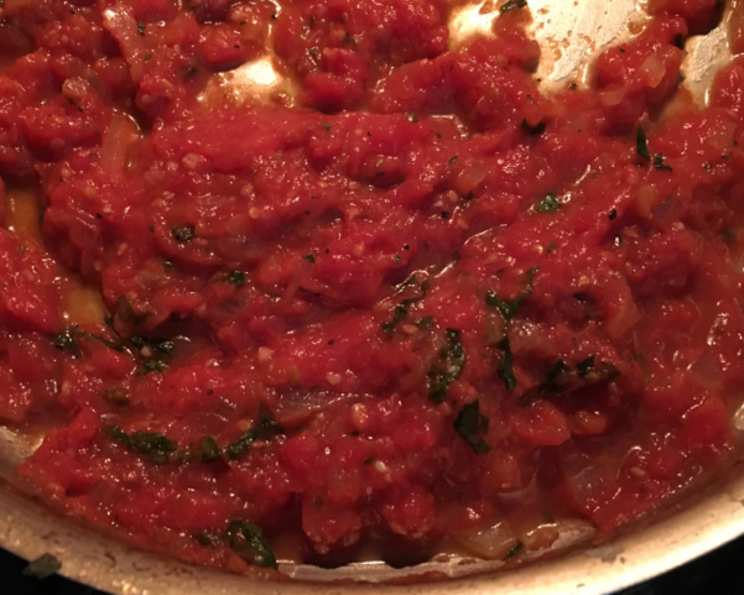
America’s Test Kitchen 10-Minute Tomato Sauce: A Culinary Revelation
The first time I made tomato sauce from scratch, I spent an entire afternoon coaxing flavors from a pile of fresh San Marzano tomatoes. It was a labor of love, a messy, vibrant ritual that I cherished. Then, life happened. Demands increased, time dwindled, and that cherished ritual felt increasingly out of reach. Enter this 10-minute tomato sauce from America’s Test Kitchen – a revelation that proved fresh, vibrant flavor can be achieved even on the busiest weeknights. It’s a testament to smart techniques and quality ingredients, reminding me that sometimes, the simplest solutions are the most delicious.
Recipe Overview
- Prep Time: 5 minutes
- Cook Time: 10 minutes
- Total Time: 15 minutes
- Servings: 4
- Yield: About 2 cups
- Dietary Type: Vegetarian
Ingredients
- 1/4 cup onion, grated
- 2 tablespoons butter
- 1/4 teaspoon dried oregano
- 1/2 teaspoon salt
- 2 garlic cloves, crushed
- 1 (28 ounce) can crushed tomatoes (Muir Glen or Tuttoroso recommended)
- 1/4 teaspoon sugar
- 1 tablespoon olive oil
- 2 tablespoons fresh basil, chopped
Equipment Needed
- Medium saucepan
- Cheese grater or microplane
- Measuring cups and spoons
- Garlic press or knife
Instructions
- In a medium saucepan, melt the butter over medium heat.
- Add the 1/4 cup of grated onion. Sauté for 2 minutes. The grating helps the onion to break down and release its sweetness quickly.
- Stir in the 1/4 teaspoon of dried oregano and 1/2 teaspoon of salt. Continue cooking, stirring frequently, for 3 minutes, or until the onions begin to brown slightly. Don’t rush this step – allowing the onions to develop some color is key to building flavor.
- Add the 2 crushed garlic cloves. Cook for just 30 seconds, being careful not to burn the garlic, as this can turn bitter.
- Pour in the 1 (28 ounce) can of crushed tomatoes and 1/4 teaspoon of sugar. The sugar balances the acidity of the tomatoes.
- Increase the heat to high and cook, stirring constantly, until the sauce begins to simmer.
- Reduce the heat to medium-low and simmer for 10 minutes, stirring occasionally to prevent sticking.
- Remove the saucepan from the heat. Stir in the 1 tablespoon of olive oil and 2 tablespoons of chopped fresh basil.
- Season to taste with additional salt and pepper, if desired. Serve immediately over your favorite pasta.
Expert Tips & Tricks
-
The Onion Advantage: Grating the onion, instead of chopping it, is a game-changer. It allows the onion to caramelize more quickly, releasing its natural sweetness and creating a richer flavor base in less time.
-
Fat Facts: The recipe specifies using butter for sautéing the onion. This isn’t just for flavor; saturated fats in butter help the onions stay sweet. Olive oil, which contains unsaturated fats, can react with an enzyme in the onion that can result in a bitter taste.
-
Tomato Choice: America’s Test Kitchen specifically recommends using Muir Glen or Tuttoroso crushed tomatoes. These brands use a lower processing temperature in the canning process, resulting in a fresher-tasting tomato product. The quality of your canned tomatoes directly impacts the flavor of the finished sauce, so this is a crucial detail to follow.
-
Garlic Control: Be very careful not to burn the garlic. Burnt garlic can impart a bitter flavor to the entire sauce. Keep the heat moderate and stir frequently.
-
Simmering Secrets: While the sauce simmers, keep the heat low and stir occasionally. This prevents the sauce from sticking to the bottom of the pan and ensures even cooking.
-
Basil Timing: Adding the fresh basil at the very end preserves its bright, herbaceous flavor. Adding it earlier in the cooking process would result in a dull, cooked flavor.
-
Make Ahead: You can prepare the sauce in advance and store it in the refrigerator for up to 3 days. Reheat gently over low heat before serving.
Serving & Storage Suggestions
Serve this vibrant tomato sauce immediately over your favorite pasta. Garnish with extra fresh basil, a sprinkle of grated Parmesan cheese (if not keeping it dairy-free), and a drizzle of good-quality olive oil.
Leftover sauce can be stored in an airtight container in the refrigerator for up to 3 days. For longer storage, freeze the sauce in freezer-safe containers for up to 2 months. To reheat, thaw the sauce in the refrigerator overnight and then gently warm it in a saucepan over low heat, stirring occasionally. You can also reheat it in the microwave, but be sure to use a microwave-safe container and stir frequently to ensure even heating.
Nutritional Information
| Nutrient | Amount per Serving | % Daily Value |
|---|---|---|
| Calories | 152 kcal | N/A |
| Total Fat | 9.7 g | 14% |
| Saturated Fat | 4.2 g | 21% |
| Cholesterol | 15.3 mg | 5% |
| Sodium | 604.1 mg | 25% |
| Total Carbohydrate | 16.2 g | 5% |
| Dietary Fiber | 4 g | 16% |
| Sugars | 0.7 g | N/A |
| Protein | 3.6 g | 7% |
Note: Nutritional information is an estimate and may vary based on specific ingredients used.
Variations & Substitutions
-
Vegan Option: Simply substitute the butter with olive oil or another plant-based butter alternative.
-
Spicy Kick: Add a pinch of red pepper flakes along with the oregano for a touch of heat.
-
Herb Variations: Experiment with different herbs, such as thyme, rosemary, or marjoram, in addition to or instead of the oregano.
-
Roasted Garlic: For a deeper, sweeter garlic flavor, use roasted garlic instead of crushed fresh garlic. Roast a head of garlic in the oven until soft and then squeeze out the cloves and mash them before adding them to the sauce.
-
Wine Addition: For a more complex flavor, add a splash of dry red wine to the sauce after sautéing the onions. Allow the wine to reduce slightly before adding the tomatoes.
-
Vegetable Boost: Add finely diced vegetables like carrots, celery, or bell peppers along with the onions for added nutrients and flavor.
FAQs (Frequently Asked Questions)
Q: Why grate the onion instead of chopping it?
A: Grating the onion helps it break down more quickly and caramelize, releasing its sweetness faster and creating a richer flavor base in less time.
Q: Can I use fresh tomatoes instead of canned?
A: While fresh tomatoes can be used, this recipe is specifically designed for canned crushed tomatoes, which provide consistent flavor and texture. Using fresh tomatoes would require a longer cooking time and may yield a different result.
Q: What if I can’t find Muir Glen or Tuttoroso crushed tomatoes?
A: While those brands are recommended for their superior flavor, you can use other brands of crushed tomatoes. Just be sure to choose a high-quality brand that you trust.
Q: Can I add meat to this sauce?
A: Absolutely! You can brown ground beef, Italian sausage, or other meat of your choice in the saucepan before adding the onions.
Q: How can I make this sauce smoother?
A: If you prefer a smoother sauce, you can use an immersion blender to blend the sauce after it has simmered. Be careful when blending hot liquids.
Final Thoughts
This 10-minute tomato sauce is a culinary lifesaver – a testament to the fact that delicious, homemade flavor can be achieved even on the busiest days. It’s more than just a recipe; it’s an invitation to reclaim weeknight dinners and rediscover the simple joy of cooking. So, gather your ingredients, follow the steps, and prepare to be amazed by the vibrant, fresh taste of this effortless tomato sauce. Don’t hesitate to experiment with variations and make it your own. And, of course, I’d love to hear your feedback – what did you think of the recipe, and how did you customize it to your liking? Buon appetito!