
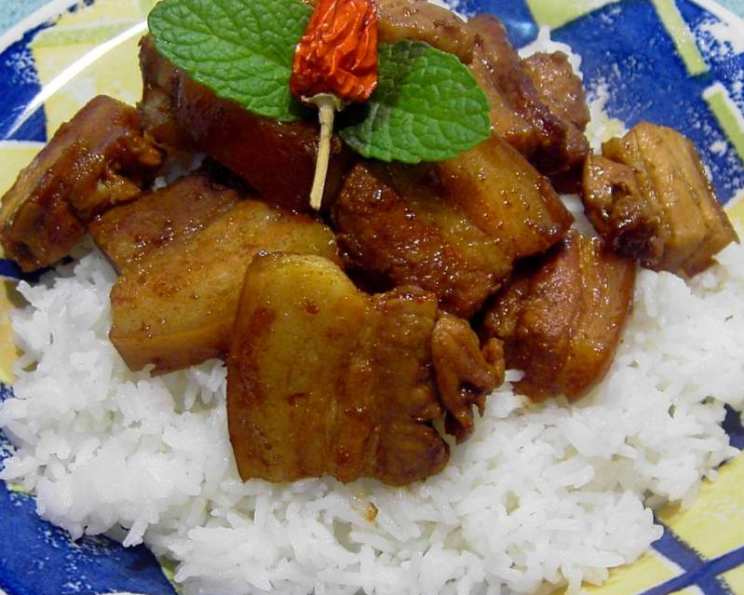
The Surprisingly Simple Secret to Exceptional Chinese Spareribs: 1, 2, 3, 4, 5
The scent of ginger, soy, and caramelized sugar still transports me back to my first Chinatown exploration. It was a sensory explosion, but one particular aroma – sweet and savory, emanating from a tiny, bustling restaurant – hooked me instantly. I followed my nose and discovered a plate piled high with glistening, mahogany-colored spareribs. The memory of that first bite, the perfect balance of flavors and the fall-off-the-bone tenderness, has been my culinary north star ever since, a constant reminder that incredible food doesn’t always require endless ingredients or complicated techniques. This 1,2,3,4,5 recipe is my attempt to capture that magic in its simplest form.
Recipe Overview
- Prep Time: 5 minutes
- Cook Time: 25 minutes
- Total Time: 30 minutes
- Servings: 4
- Yield: About 1.5 pounds of spareribs
- Dietary Type: Not Gluten-Free (due to soy sauce, use tamari for a gluten-free option)
Ingredients
- 1-2 lb spareribs, each cut in thirds for smaller pieces (cut with a cleaver)
- 1 tablespoon cooking wine (rice wine works well)
- 2 tablespoons sugar
- 3 tablespoons vinegar (rice vinegar or apple cider vinegar are good choices)
- 4 tablespoons soy sauce
- 5 tablespoons water
- Oil for searing (vegetable, canola, or peanut oil are suitable)
Equipment Needed
- Large skillet or wok
- Cleaver (optional, for cutting ribs)
- Measuring spoons
- Measuring cup
- Lid for skillet or wok
Instructions
- Prepare the Spareribs: If you haven’t already, use a cleaver or a sturdy knife to cut the spareribs into smaller pieces, about 2-3 inches long. This allows them to cook more evenly and absorb the sauce better. Pat the ribs dry with paper towels.
- Sear the Spareribs: Heat a large skillet or wok over medium-high heat. Add enough oil to coat the bottom of the pan. Once the oil is hot, carefully add the spareribs in a single layer. Avoid overcrowding the pan, as this will lower the temperature and prevent proper searing. You may need to work in batches. Sear the spareribs on all sides until they are nicely browned. This step is crucial for developing flavor and adding depth to the final dish.
- Add the Sauce Ingredients: Once the spareribs are seared, add the remaining ingredients: 1 tablespoon of cooking wine, 2 tablespoons of sugar, 3 tablespoons of vinegar, 4 tablespoons of soy sauce, and 5 tablespoons of water.
- Bring to a Boil and Simmer: Mix everything well to ensure the sugar is dissolved and the spareribs are coated in the sauce. Bring the mixture to a boil. Then, reduce the heat to medium-low, cover the skillet or wok, and let it simmer gently.
- Cook Until Tender: Cook the spareribs, covered, for about 20-25 minutes, or until they are tender and the sauce has thickened. Stir occasionally to prevent sticking and ensure even cooking. The sauce should reduce to a glossy glaze. If the sauce is too thin, remove the lid during the last few minutes of cooking to allow it to evaporate.
- Serve: The spareribs are ready to serve when they are tender and the sauce has thickened into a sticky, flavorful glaze.
Expert Tips & Tricks
- Don’t overcrowd the pan when searing: This lowers the oil temperature and results in steamed, rather than browned, ribs. Work in batches for best results.
- Adjust the sweetness: If you prefer a less sweet sauce, reduce the amount of sugar slightly. Conversely, if you like it sweeter, add a bit more sugar.
- Use a good quality soy sauce: The quality of the soy sauce greatly impacts the overall flavor. Opt for a naturally brewed soy sauce for a richer, more complex taste.
- For extra flavor: Add a knob of ginger and a clove of garlic, minced, to the skillet along with the spareribs. This will add another layer of depth to the sauce.
- Make ahead: These ribs can be made a day in advance. The flavors will meld together even more, making them even tastier!
Serving & Storage Suggestions
Serve the 1,2,3,4,5 Chinese Spareribs hot, garnished with sesame seeds and chopped green onions for a pop of color. They pair perfectly with steamed rice, noodles, or stir-fried vegetables. For a more complete meal, consider serving them alongside a simple Asian slaw or a side of bok choy.
Storage: Leftover spareribs can be stored in an airtight container in the refrigerator for up to 3-4 days.
Reheating: To reheat, you can either microwave them (covered, with a splash of water) until heated through, or reheat them in a skillet over medium heat, adding a little water if the sauce has thickened too much. You can also reheat them in the oven at 350°F (175°C) for about 15-20 minutes, or until heated through.
Freezing: You can freeze cooked spareribs for up to 2-3 months. Thaw them in the refrigerator overnight before reheating.
Nutritional Information
| Nutrient | Amount per Serving | % Daily Value |
|---|---|---|
| Calories | 490 kcal | 25% |
| Total Fat | 34g | 44% |
| Saturated Fat | 13g | 65% |
| Cholesterol | 137mg | 46% |
| Sodium | 1112mg | 46% |
| Total Carbohydrate | 7g | 3% |
| Dietary Fiber | 0g | 0% |
| Sugars | 7g | 14% |
| Protein | 35g | 70% |
Note: Nutritional information is an estimate and may vary based on specific ingredients and cooking methods.
Variations & Substitutions
- Gluten-Free: Use tamari instead of soy sauce to make this dish gluten-free.
- Spicy: Add a pinch of red pepper flakes or a drizzle of chili oil to the sauce for a spicy kick.
- Honey Garlic: Substitute some of the sugar with honey for a honey garlic variation. Add some minced garlic along with the other ingredients.
- Citrusy: Add a splash of orange juice or lemon juice to the sauce for a bright, citrusy flavor.
- Vegetarian “Ribs”: Use firm tofu or seitan cut into rib-like shapes. Press the tofu well to remove excess water before searing.
FAQs (Frequently Asked Questions)
Q: Can I use pork belly instead of spareribs?
A: Yes, pork belly would work well. The cooking time may need to be adjusted as pork belly can take longer to become tender.
Q: Can I bake these ribs instead of cooking them in a skillet?
A: Yes, you can bake them. After searing, transfer the ribs and sauce to a baking dish, cover with foil, and bake at 325°F (160°C) for about 1.5-2 hours, or until tender. Remove the foil during the last 30 minutes to allow the sauce to thicken.
Q: The sauce is too thin. How can I thicken it?
A: Remove the lid during the last few minutes of cooking to allow the sauce to evaporate and thicken. Alternatively, you can whisk a small amount of cornstarch (about 1 teaspoon) with a tablespoon of cold water to create a slurry, and then whisk it into the sauce.
Q: Can I use a different type of vinegar?
A: While rice vinegar is recommended, you can use apple cider vinegar or even white vinegar in a pinch. The flavor profile will be slightly different, so adjust the sugar accordingly to balance the acidity.
Q: Can I add vegetables to this dish?
A: Absolutely! Add vegetables like bell peppers, onions, or broccoli during the last 10-15 minutes of cooking to add some extra nutrients and flavor.
Final Thoughts
This 1,2,3,4,5 Chinese Spareribs recipe is proof that amazing food doesn’t have to be complicated. It’s a dish that’s perfect for weeknight dinners, casual gatherings, or any time you’re craving a taste of authentic Chinese cuisine without spending hours in the kitchen. I urge you to give it a try, and don’t be afraid to experiment with the variations to make it your own. Share your creations with friends and family, and let me know what you think! Serve these spareribs with a crisp, dry Riesling to complement the sweet and savory flavors. Enjoy!