
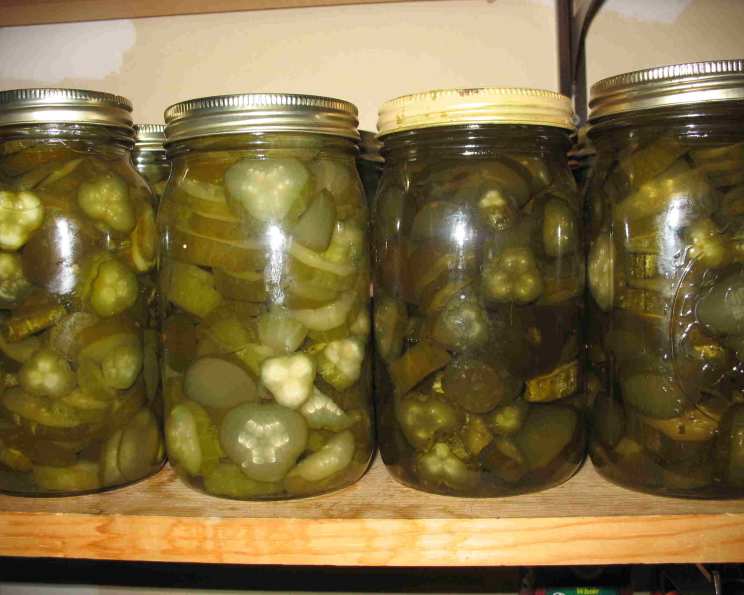
Sweet Sixteen: Crafting Delightful 16-Day Pickles
The memory is as clear as the summer sun glinting off the brine: my grandmother’s cellar, cool and smelling of damp earth and vinegar. Jars lined the shelves, glowing with the promise of preserved bounty. Among them, the star – her 16-day pickles. As a child, the anticipation felt eternal, but the resulting sweet, tangy crunch was pure magic, a concentrated burst of summer in every bite. It’s a process I’ve adapted through the years but the core, that delightful sweetness that takes almost three weeks to achieve, always brings me back to those summer days.
Recipe Overview
- Prep Time: 30 minutes
- Cook Time: 1 hour
- Total Time: 16 Days
- Yields: 8 quarts
- Dietary Type: Vegetarian
Ingredients
- 2 gallons cucumbers, small to medium-sized, unwaxed
- 1 tablespoon alum
- 1 cup pickling salt
- 10 lbs sugar
- 2 quarts white vinegar
- 3 tablespoons pickling spices
- 2 cinnamon sticks
Equipment Needed
- Large crock or non-reactive container (at least 3-gallon capacity)
- Large pot for boiling water
- Cheesecloth
- Canning jars (8 quarts)
- Canning lids and rings
- Jar lifter
- Large saucepan
Instructions
-
Begin by thoroughly washing the cucumbers. Ensure they are free of any dirt or debris.
-
In your large crock or non-reactive container, prepare a salt water brine. Dissolve 1 cup of pickling salt in 1 gallon of water. Repeat until you have enough brine to completely cover the cucumbers. Typically, this will require 2 gallons of water.
-
Submerge the washed cucumbers in the salt water brine. It’s crucial to keep the pickles fully submerged. Use a plate or weight to keep them under the brine.
-
Let the cucumbers stand in the salt water brine for a week (7 days).
-
Monitor the brine daily, skimming off any scum that forms on the surface. This helps prevent unwanted bacterial growth.
-
After the initial week, drain the cucumbers from the salt water brine.
-
Cover the drained cucumbers with boiling water. Ensure the water completely covers them.
-
Let the cucumbers stand in the boiling water for 24 hours.
-
Drain the cucumbers again. This time, cut the cucumbers into slices. The thickness of the slices is a matter of personal preference, but about ¼-inch thick is a good starting point.
-
Cover the sliced cucumbers with boiling water again.
-
Add 1 tablespoon of alum to the boiling water. The alum helps to crisp the pickles.
-
Let the cucumbers stand in the boiling water with alum for three days.
-
Drain the cucumbers once more.
-
Cover the drained cucumbers with boiling water again.
-
Let them stand overnight (approximately 12 hours).
-
Drain the cucumbers thoroughly.
-
Now, prepare the syrup. In a large saucepan, combine 10 pounds of sugar, 2 quarts of white vinegar, 3 tablespoons of pickling spice, and 2 cinnamon sticks.
-
Tie the pickling spices and cinnamon sticks in a cheesecloth bag. This makes it easier to remove them later.
-
Drop the cheesecloth bag containing the spices into the sugar and vinegar mixture.
-
Bring the syrup to a boil, stirring constantly to dissolve the sugar.
-
Cover the cucumbers with the syrup for four days.
-
On the fourth day, drain the syrup from the cucumbers.
-
Heat the syrup to boiling.
-
Pack the sliced pickles into hot, sterilized canning jars. Leave about ½-inch of headspace at the top of each jar.
-
Pour the boiling syrup over the pickles in the jars, maintaining the ½-inch headspace.
-
Remove any air bubbles by gently tapping the jars on the counter or using a non-metallic utensil.
-
Wipe the rims of the jars clean with a damp cloth.
-
Place the lids on the jars and screw on the rings until fingertip tight.
-
Process the jars in a boiling water bath for the time recommended by your local extension office based on your altitude and jar size (usually around 10-15 minutes for quart jars at lower altitudes).
-
Remove the jars from the boiling water bath using a jar lifter and place them on a towel-lined surface to cool.
-
Let the jars cool completely. As they cool, you should hear a “popping” sound, indicating that the lids have sealed properly.
-
Check the seals by pressing down on the center of each lid. If the lid doesn’t flex, it’s sealed. If it flexes, the jar didn’t seal properly and should be refrigerated and consumed within a few weeks or reprocessed with a new lid.
Expert Tips & Tricks
- Crispness is key: Alum is your friend for crisp pickles. Don’t skip it! You can also add a grape leaf or two to each jar during the canning process, as the tannins help keep them firm.
- Spice it up (or down): Feel free to adjust the pickling spices to your liking. Add a pinch of red pepper flakes for a little heat, or include mustard seeds for a more complex flavor.
- Syrup Consistency: If you prefer a thicker syrup, you can simmer it for a longer period to reduce the liquid and concentrate the sugars, resulting in a richer coating for the pickles.
- Cucumber Selection: Use small to medium sized cucumbers. Larger cucumbers can be seedy and have a higher water content, which can affect the final texture of the pickles. Also, ensure the cucumbers are unwaxed. Waxed cucumbers can prevent the brine from penetrating properly.
- Saving Syrup: If you don’t have enough cucumbers at once, you can prepare the syrup and store it in the refrigerator. The vinegar and sugar act as preservatives, keeping it fresh for later use.
- Calcium Chloride: For even crispier pickles, consider adding calcium chloride (pickle crisp) to the jars before sealing. Follow the manufacturer’s instructions for the correct amount.
- Safety First: Always follow safe canning practices to prevent spoilage and ensure the safety of your canned goods. Refer to your local extension office or a reputable canning guide for detailed instructions.
Serving & Storage Suggestions
These 16-day pickles are a delightful addition to any meal. Serve them alongside sandwiches, burgers, or grilled meats. They also make a fantastic addition to charcuterie boards or relish trays.
Once opened, store the pickles in the refrigerator. They will keep for several weeks, but their texture may soften slightly over time. Unopened jars can be stored in a cool, dark place for up to a year.
Nutritional Information
Note: Nutritional information is an estimate and can vary based on specific ingredients and serving size.
| Nutrient | Amount per Serving | % Daily Value |
|---|---|---|
| Calories | 290 kcal | 15% |
| Total Fat | 0g | 0% |
| Saturated Fat | 0g | 0% |
| Cholesterol | 0mg | 0% |
| Sodium | 1200mg | 50% |
| Total Carbohydrate | 75g | 25% |
| Dietary Fiber | 1g | 4% |
| Sugars | 70g | 140% |
| Protein | 0g | 0% |
Variations & Substitutions
- Spicy Pickles: Add a few sliced jalapeños or a pinch of red pepper flakes to the syrup for a spicy kick.
- Dill Pickles: Omit the pickling spice and cinnamon sticks, and add fresh dill to the jars before sealing.
- Bread and Butter Pickles: Use a different syrup recipe with turmeric and celery seed for a classic bread and butter pickle flavor.
- Lower Sugar: Reduce the amount of sugar in the syrup by a pound or two. You can also substitute some of the sugar with a sugar alternative like stevia, but be aware that this may affect the texture and flavor of the pickles.
- Apple Cider Vinegar: Use apple cider vinegar instead of white vinegar for a slightly different flavor profile.
FAQs (Frequently Asked Questions)
Q: Why does this recipe take so long?
A: The multi-day process of soaking and draining the cucumbers allows them to gradually absorb the sweet and tangy syrup, resulting in a unique flavor and texture that can’t be achieved with a shorter pickling method.
Q: Can I use regular table salt instead of pickling salt?
A: No, it’s best to use pickling salt. Table salt contains iodine and anti-caking agents that can darken the pickles and affect their flavor. Pickling salt is pure sodium chloride.
Q: Do I have to use alum?
A: Alum helps to keep the pickles crisp, but it is optional. If you prefer not to use it, you can omit it. Just be aware that the pickles may not be as firm. You can also use “Pickle Crisp” from Ball.
Q: Can I reuse the syrup?
A: It’s not recommended to reuse the syrup for another batch of pickles, as it may have diluted flavors and could harbor bacteria. However, you can use the leftover syrup as a glaze for ham or pork.
Q: How do I know if my jars are properly sealed?
A: After processing and cooling, the lids of properly sealed jars should be concave and not flex when pressed in the center. If a jar doesn’t seal, store it in the refrigerator and consume the pickles within a few weeks.
Final Thoughts
Embrace the journey of these 16-day pickles. While the process requires patience, the reward is well worth the effort. The resulting sweet and tangy pickles are a taste of tradition and a reminder that some things are worth waiting for. Don’t hesitate to adjust the flavors to your liking and share your creations with friends and family. And as you savor each bite, remember the stories and traditions that make this recipe so special. Enjoy!