
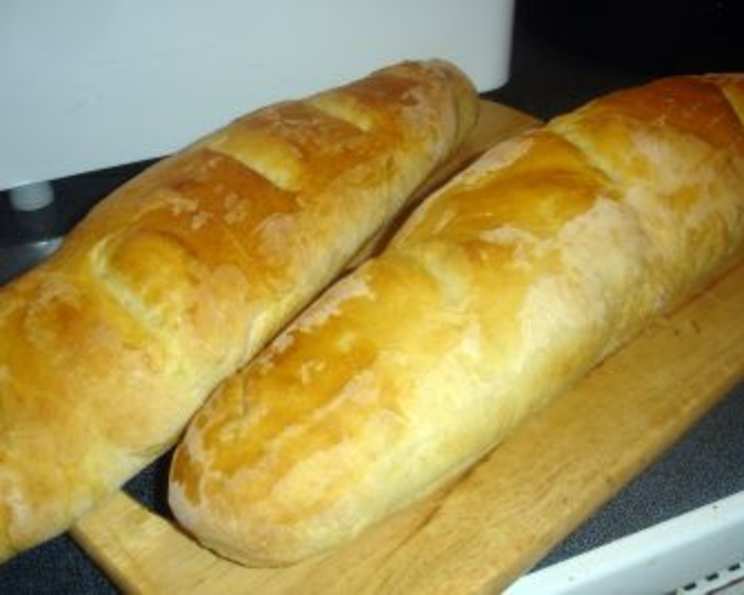
Baking Memories: A Classic White Bread Loaf from Breadman
The aroma of freshly baked bread has always been synonymous with “home” for me. I remember being a young child, perched on a stool in my grandmother’s kitchen, mesmerized by the magic unfolding as she transformed simple ingredients into a golden, crusty loaf. The warmth radiating from the oven, the yeasty scent permeating the air, and the anticipation of that first, butter-slathered slice – these are the moments etched in my culinary heart, and this basic white bread recipe from the Breadman brings me right back. It’s a simple, satisfying staple that forms the base for countless delicious possibilities.
Recipe Overview
- Prep Time: 10 minutes
- Cook Time: Varies by Bread Machine Setting (approximately 3 hours)
- Total Time: Approximately 3 hours 10 minutes
- Servings: Approximately 16 slices
- Yield: 2 lb loaf
- Dietary Type: Vegetarian (can be made Vegan with appropriate oil)
Ingredients
- 1 ½ cups warm water
- 2 tablespoons vegetable oil
- 1 ½ teaspoons salt
- 4 cups all-purpose flour
- 2 ½ teaspoons active dry yeast
Equipment Needed
- Breadman Bread Machine (or similar automatic bread maker)
- Measuring cups and spoons
Instructions
- Ensure your Breadman bread machine’s bread pan is clean and dry. Insert the kneading paddle securely.
- Add the warm water to the bread pan. The water should be warm to the touch, but not hot (around 105-115°F or 40-46°C), to activate the yeast properly.
- Pour the vegetable oil into the bread pan.
- Add the salt. Be sure to add the salt before the flour, as it can inhibit yeast activity if it comes into direct contact with the yeast.
- Carefully measure and add the all-purpose flour to the bread pan. It’s best to level the flour in the measuring cup for consistent results.
- Create a small well in the center of the flour and add the active dry yeast. This helps to prevent the yeast from prematurely activating due to the moisture.
- Place the bread pan securely into the bread machine. Lock it into place according to the manufacturer’s instructions.
- Close the lid of the bread machine.
- Select the appropriate setting on your Breadman bread machine for a 2 lb loaf of Basic White or French Bread. This typically involves choosing the loaf size (2 lb) and the crust color (light, medium, or dark). Consult your bread machine’s manual for specific instructions on selecting the correct program.
- Press the Start button. The bread machine will now automatically knead, proof, and bake the bread.
- Monitor the bread machine’s progress, especially during the kneading phase. If the dough appears too dry or too wet, you can add a tablespoon of water or flour, respectively. Do this sparingly and only if necessary.
- Once the baking cycle is complete, the bread machine will usually beep to indicate that the bread is ready.
- Open the lid of the bread machine and carefully remove the bread pan using oven mitts. The pan will be hot!
- Let the bread cool in the pan for about 5-10 minutes before removing it. This will help the bread to release from the pan more easily and prevent it from collapsing.
- Gently shake the bread pan to loosen the loaf. If necessary, use a non-stick spatula to carefully separate the bread from the sides of the pan.
- Turn the bread out onto a wire rack to cool completely before slicing. This allows air to circulate around the loaf, preventing the bottom crust from becoming soggy.
Expert Tips & Tricks
- Ingredient Temperature: The temperature of the water is crucial for activating the yeast. Too hot, and you’ll kill the yeast; too cold, and it won’t activate properly. Aim for lukewarm, about 105-115°F (40-46°C).
- Flour Power: The amount of flour can vary slightly depending on the humidity levels. If your dough is too sticky, add a tablespoon of flour at a time until it forms a smooth ball.
- Yeast Freshness: Always check the expiration date on your yeast. Old yeast will result in a flat, dense loaf. Store your yeast in an airtight container in the refrigerator or freezer for optimal freshness.
- Crust Control: For a softer crust, brush the top of the loaf with melted butter or milk immediately after removing it from the bread machine.
- Kneading Check: During the kneading process, observe the dough’s texture. It should be smooth and elastic. If it’s too sticky, add a little flour. If it’s too dry, add a little water.
- Don’t peek! Resist the urge to open the bread machine during the baking process. This can cause the bread to collapse.
Serving & Storage Suggestions
This classic white bread is incredibly versatile. Serve it warm with butter, jam, or honey. Use it for sandwiches, toast, or grilled cheese. It also makes excellent croutons or breadcrumbs.
To store the bread, allow it to cool completely before wrapping it tightly in plastic wrap or placing it in a resealable plastic bag. Store at room temperature for up to 2-3 days. For longer storage, slice the bread and freeze it in a freezer-safe bag for up to 2-3 months. To thaw, simply remove the desired number of slices and let them sit at room temperature for a few minutes. You can also toast them directly from frozen.
Nutritional Information
Please note that these values are estimates and may vary based on specific ingredients and serving sizes.
| Nutrient | Amount per Serving (1 slice) | % Daily Value |
|---|---|---|
| Calories | 130 kcal | 7% |
| Total Fat | 2g | 3% |
| Saturated Fat | 0.3g | 2% |
| Cholesterol | 0mg | 0% |
| Sodium | 220mg | 9% |
| Total Carbohydrate | 24g | 8% |
| Dietary Fiber | 1g | 4% |
| Sugars | 0.1g | 0% |
| Protein | 3.5g | 7% |
Variations & Substitutions
- Whole Wheat Bread: Substitute up to half of the all-purpose flour with whole wheat flour for a more nutritious and hearty loaf.
- Herb Bread: Add 1-2 tablespoons of dried herbs, such as rosemary, thyme, or oregano, to the flour mixture for a flavorful twist.
- Cheese Bread: Add ½ cup of shredded cheddar, mozzarella, or Parmesan cheese to the dough during the kneading process.
- Sweet Bread: Add 2-3 tablespoons of sugar and a teaspoon of vanilla extract to the ingredients for a slightly sweet loaf. You could also add raisins or other dried fruits.
- Vegan Bread: Ensure your vegetable oil is plant-based. Most vegetable oils are naturally vegan, but always double-check.
FAQs (Frequently Asked Questions)
Q: Can I use bread flour instead of all-purpose flour?
A: Yes, bread flour can be used for a chewier texture. However, you may need to adjust the amount of liquid slightly.
Q: Why is my bread collapsing after baking?
A: This can be caused by too much yeast, too much liquid, or opening the bread machine during the baking cycle.
Q: My bread is dense and heavy. What did I do wrong?
A: This could be due to using old yeast, not enough liquid, or not measuring the ingredients accurately.
Q: Can I add seeds to the bread?
A: Yes, you can add seeds like sesame, poppy, or sunflower seeds to the dough during the kneading process.
Q: How do I prevent the bread from sticking to the pan?
A: Ensure the bread pan is properly greased before adding the ingredients. You can also use a non-stick bread pan.
Final Thoughts
This classic white bread recipe from Breadman is a testament to the simple joys of home baking. It’s a reliable and easy way to create a delicious loaf that’s perfect for everyday use. Don’t be afraid to experiment with variations and substitutions to create your own signature bread. I encourage you to try this recipe and share your baking adventures with friends and family. Perhaps pair it with a comforting bowl of homemade soup, or use it to create the perfect sandwich for a picnic. Happy baking!