
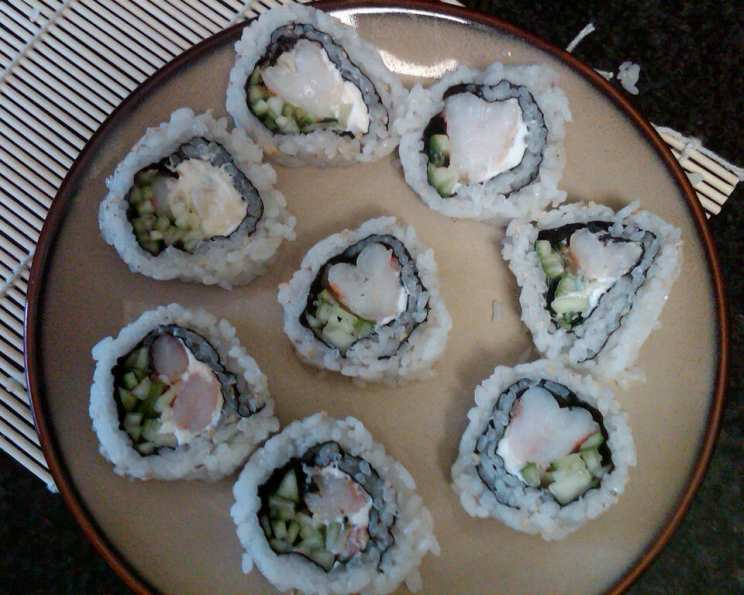
Mastering the Art of 3-Ingredient Sushi Rice
My earliest memories of sushi involve a clumsy attempt at a California roll, circa age 10. I remember the frustration of sticky rice clinging to everything except the nori, the vinegared tang tickling my nose, and the sheer joy of finally managing to roll a passable log. It wasn’t perfect, but the taste was undeniably, memorably good. The secret? Perfect sushi rice. I’ve spent years refining my technique, and you won’t believe how simple it can be to achieve restaurant-quality results with just three ingredients.
Recipe Overview
- Prep Time: 10 minutes
- Cook Time: 25 minutes
- Total Time: 35 minutes
- Servings: 2
- Yield: 2 cups
- Dietary Type: Gluten-Free, Vegan
Ingredients
- 1 cup sushi rice (also known as Kagayaki or Koshihikari rice)
- 1 cup water
- 1 tablespoon seasoned rice vinegar
Ingredient Notes: If you only have unseasoned rice vinegar, see the instructions for making your own seasoned version.
Equipment Needed
- Medium-sized pot with a lid
- Mixing bowl
- Fine-mesh sieve (optional, for rinsing rice)
- Spatula or rice paddle
- Flat surface (baking sheet or large plate)
Instructions
- Begin by preparing the sushi rice. This is crucial. Only use rice specifically labeled “Sushi Rice,” “Kagayaki,” or “Koshihikari.” These varieties have the right starch content for that signature sticky texture.
- Place the sushi rice in a bowl and cover with water. Gently swirl the rice with your hand. You’ll notice the water becomes cloudy.
- Drain the cloudy water completely. Repeat this rinsing process several times, until the water runs almost clear. Rinsing removes excess starch, preventing the rice from becoming overly gummy. While optional, a fine-mesh sieve makes this step easier.
- Combine 1 cup of the rinsed sushi rice and 1 cup of water in a medium-sized pot.
- Bring the mixture to a boil over medium-high heat. Watch carefully, as it can quickly boil over.
- Once boiling, immediately reduce the heat to the lowest possible setting, creating a gentle simmer. Cover the pot tightly with a lid.
- Cook for approximately 15 minutes, or until all the water has been absorbed. The cooking time may vary slightly depending on your stove and pot. Don’t lift the lid during this time, as it will release steam and affect the cooking process. Stir occasionally to prevent sticking, but do so gently.
- After 15 minutes, remove the pot from the heat and let it sit, still covered, for 10 minutes. This allows the rice to steam and finish cooking evenly.
- Gently transfer the cooked rice to a flat surface, such as a baking sheet or large plate. Spread the rice out as much as possible to encourage rapid cooling.
- Sprinkle 1 tablespoon of seasoned rice vinegar evenly over the rice.
- If you only have plain “Rice Vinegar” and not “Seasoned Rice Vinegar”, you can make a substitute. Combine 1 tablespoon of plain rice vinegar with 1 tablespoon of sugar and 1 teaspoon of salt. Heat the mixture in a small saucepan or in the microwave until the sugar and salt are completely dissolved. This creates the essential sweet-and-tangy flavor profile. Let cool slightly before using.
- Using a spatula or rice paddle, gently work the vinegar through the rice. Avoid mashing the rice; instead, use a cutting and folding motion to distribute the vinegar evenly. At the same time, begin fanning the rice with a fan or piece of cardboard to cool it down quickly. Rapid cooling is essential for achieving the desired texture.
- The rice should have a subtle sheen all over, indicating that it has been properly seasoned. If it appears dry, add a tiny bit more seasoned rice vinegar, but be careful not to overdo it.
- To check the consistency, wet your hands slightly. The rice should stick together easily when formed into a ball, yet still pull apart into individual grains.
Expert Tips & Tricks
- Rice Quality Matters: Start with the best-quality sushi rice you can find. The difference in flavor and texture will be noticeable.
- Rinsing is Key: Don’t skip the rinsing step. It’s essential for removing excess starch and achieving the right stickiness.
- Gentle Handling: Handle the cooked rice gently to avoid breaking the grains. Use a rice paddle or spatula with a cutting and folding motion rather than stirring vigorously.
- Cooling is Crucial: Cooling the rice quickly is just as important as the cooking process. The faster it cools, the better the texture will be.
- Adjust to Taste: The amount of seasoned rice vinegar can be adjusted to your preference. Start with 1 tablespoon and add more if needed, but be cautious.
- Don’t Overcook: Keep a close eye on the rice during cooking to ensure it doesn’t burn or become mushy.
- Temperature: The best temperature for sushi rice is lukewarm or room temperature. Don’t serve it hot.
Serving & Storage Suggestions
Serve your perfectly cooked sushi rice immediately with your favorite sushi ingredients, such as nori seaweed, fish, vegetables, and soy sauce. It’s also delicious as a side dish for other Asian-inspired meals.
Leftover sushi rice can be stored in an airtight container in the refrigerator for up to 24 hours. Keep in mind that the texture may change slightly upon refrigeration, becoming a bit firmer. To restore some of its original texture, you can gently reheat it in the microwave with a splash of water. It’s best to use leftover sushi rice for cooked applications, such as fried rice. Avoid storing sushi rice at room temperature for extended periods, as this can promote bacterial growth.
Nutritional Information
| Nutrient | Amount per Serving | % Daily Value |
|---|---|---|
| Calories | 342 kcal | 17% |
| Total Fat | 0.5 g | 1% |
| Saturated Fat | 0.1 g | 0% |
| Cholesterol | 0 mg | 0% |
| Sodium | 10 mg | 0% |
| Total Carbohydrate | 75.5 g | 25% |
| Dietary Fiber | 2.6 g | 10% |
| Sugars | 0 g | 0% |
| Protein | 6.3 g | 13% |
Nutritional information is an estimate and may vary based on specific ingredients and portion sizes.
Variations & Substitutions
- Brown Sushi Rice: For a healthier alternative, try using brown sushi rice. The cooking time may need to be adjusted, so follow the package instructions.
- Coconut Rice Vinegar: For a slightly sweeter and more aromatic flavor, use coconut rice vinegar instead of regular rice vinegar.
- Vegan Sushi: Make your sushi completely vegan by using plant-based fillings such as avocado, cucumber, carrots, tofu, and pickled vegetables.
- Spice it Up: Add a pinch of red pepper flakes to the rice while it’s cooking for a subtle kick.
FAQs (Frequently Asked Questions)
Q: Can I use regular long-grain rice for sushi rice?
A: No, regular long-grain rice will not work for sushi. Sushi rice, also known as short-grain rice, has a higher starch content, giving it the sticky texture needed for sushi.
Q: Why is it important to rinse the rice?
A: Rinsing removes excess starch, preventing the rice from becoming gummy and clumpy. Clearer water after rinsing is a sign of success.
Q: How do I know when the rice is cooked perfectly?
A: The rice is cooked when all the water has been absorbed and the grains are tender but still slightly firm.
Q: What if I don’t have seasoned rice vinegar?
A: You can easily make your own by combining plain rice vinegar with sugar and salt. Heat the mixture until the sugar and salt dissolve completely, then let it cool before using.
Q: Can I make sushi rice ahead of time?
A: Yes, you can make sushi rice a few hours ahead of time. Keep it covered in a cool place to prevent it from drying out. Do not refrigerate until completely cooled.
Final Thoughts
Making perfect sushi rice might seem daunting, but with just three ingredients and a little patience, you can easily master this essential component of Japanese cuisine. Don’t be afraid to experiment with different fillings and toppings to create your own signature sushi rolls. Once you’ve tasted the difference homemade sushi rice makes, you’ll never go back to store-bought again. Now, grab your ingredients, sharpen your knives, and get ready to roll! I’d love to hear about your sushi adventures, so please share your tips, tricks, and creations in the comments below. Pair your delicious creations with a crisp, dry sake for the ultimate culinary experience.