
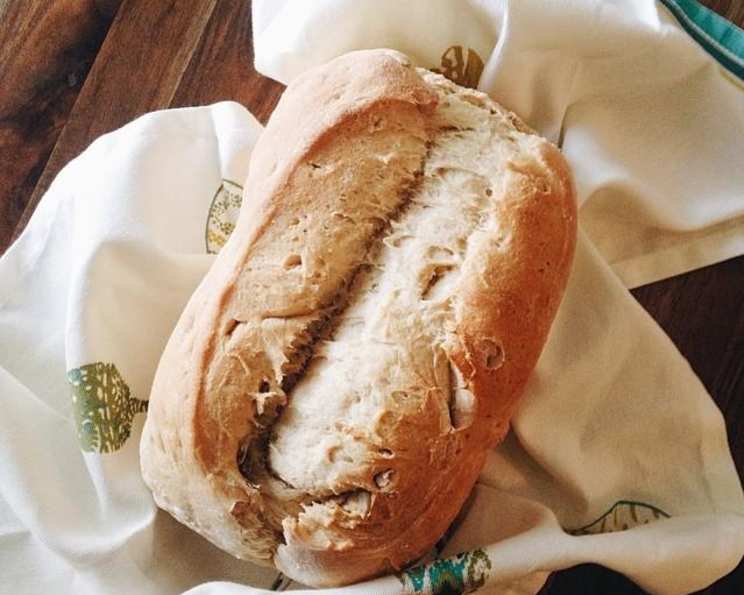
The Everyday Delight: 50% Whole Wheat Bread
The scent of baking bread is a memory etched deep in my childhood. I remember my grandmother, her hands dusted with flour, pulling a warm loaf from the oven. The aroma would fill the entire house, a comforting promise of simple, wholesome goodness. Recreating that feeling, that nourishing embrace, is why I started baking my own bread years ago. This 50% whole wheat loaf is my daily go-to; it strikes the perfect balance between hearty whole wheat flavor and a light, airy texture. It’s the ideal companion for a simple sandwich, a slice of toast, or a warm bowl of soup.
Recipe Overview
- Prep Time: 15 minutes
- Cook Time: 3 hours 30 minutes
- Total Time: 3 hours 45 minutes
- Servings: 12-16 (depending on slice thickness)
- Yield: 1 large loaf
- Dietary Type: Vegetarian
Ingredients
- 1 ½ cups water
- 2 ½ tablespoons margarine
- 2 tablespoons molasses (or honey)
- 2 cups whole wheat flour
- 2 cups all-purpose flour (or bread flour)
- 1 ½ teaspoons salt
- 1 ½ teaspoons yeast
Equipment Needed
- Bread machine
Instructions
- Prepare the pan: Ensure your bread machine pan is clean and dry.
- Add liquids: Pour the water into the bread machine pan.
- Add fats: Add the margarine to the pan.
- Sweeten the deal: Pour in the molasses (or honey).
- Layer the flours: Add the whole wheat flour and the all-purpose flour (or bread flour) to the pan, making sure the liquids are covered.
- Add the dry ingredients: Add the salt and yeast to the pan, placing them on top of the flour, away from the wet ingredients if possible.
- Select the cycle: Select the whole wheat bread cycle on your bread machine. This usually takes around 3 ½ hours, but refer to your machine’s manual for the exact time.
- Monitor the dough: Keep an eye on the dough during the kneading process. If it seems too wet or dry, adjust by adding a tablespoon of flour or water at a time until the dough forms a smooth ball.
- Remove and cool: Once the cycle is complete, carefully remove the bread from the pan. Be careful as the pan and loaf will be hot.
- Cool before slicing: Let the bread cool on a wire rack for at least 15 minutes before slicing. This allows the crumb to set and prevents it from becoming gummy.
Expert Tips & Tricks
- Yeast adjustment: During the warmer months, yeast tends to be more active. To prevent the bread from rising too much and potentially overflowing in your bread machine, reduce the yeast to 1 teaspoon. Alternatively, you can slightly increase the amount of salt (which inhibits yeast activity) to achieve the same effect.
- Flaxseed boost: For an extra nutritional boost, add 2 tablespoons of ground flaxseed to the flour. This won’t significantly alter the flavor but will add healthy omega-3 fatty acids.
- Consistent measuring: Accurate measurements are key for consistent bread baking. Use measuring cups and spoons specifically designed for baking.
- Dough consistency: The dough should be slightly tacky, but not sticky. If it’s sticking to the sides of the pan, add a little more flour. If it seems too dry and crumbly, add a bit more water.
- Oven variations: Bread machine cycles can vary depending on the make and model. Always monitor your bread the first time you bake a new recipe to ensure it’s baking correctly. If your loaf is consistently underbaked, you may need to add a few extra minutes to the baking cycle.
- Gluten development: The whole wheat flour needs time to hydrate properly. Letting the dough sit for 10-15 minutes after the initial mixing can help with gluten development and improve the bread’s texture.
Serving & Storage Suggestions
This 50% whole wheat bread is incredibly versatile. Serve it warm with a pat of butter or a drizzle of honey. It’s also fantastic for sandwiches, toast, or alongside soups and salads.
- Room Temperature: Store the bread in an airtight container at room temperature for up to 3 days.
- Refrigerator: For longer storage, keep the bread in an airtight container in the refrigerator for up to a week.
- Freezer: To freeze, slice the bread and wrap it tightly in plastic wrap, then place it in a freezer bag. It can be frozen for up to 3 months.
- Reheating: To reheat frozen bread, thaw it at room temperature or in the refrigerator. You can then toast it, warm it in the oven, or microwave it briefly. A quick toast is best for restoring the texture after freezing.
Nutritional Information
| Nutrient | Amount per Serving (1 slice) | % Daily Value* |
|---|---|---|
| Calories | 176 kcal | 9% |
| Total Fat | 3.1 g | 4% |
| Saturated Fat | 0.6 g | 3% |
| Cholesterol | 0 mg | 0% |
| Sodium | 321 mg | 14% |
| Total Carbohydrate | 33 g | 11% |
| Dietary Fiber | 2.8 g | 11% |
| Sugars | 2 g | |
| Protein | 5 g | 10% |
| *Percent Daily Values are based on a 2,000 calorie diet. Your daily values may be higher or lower depending on your calorie needs. |
Variations & Substitutions
- Sweetness boost: For a sweeter loaf, increase the molasses or honey to 3 tablespoons.
- Nutty flavor: Add ¼ cup of chopped walnuts or pecans to the dough for a nutty flavor and added texture.
- Seeded bread: Sprinkle the top of the loaf with sesame seeds, poppy seeds, or sunflower seeds before baking for a decorative and flavorful crust.
- Herb-infused: Add 1 tablespoon of dried rosemary, thyme, or oregano to the dough for an herb-infused loaf.
- Dairy-free: Ensure your margarine is dairy-free for a completely dairy-free loaf.
FAQs (Frequently Asked Questions)
Q: Can I make this bread without a bread machine?
A: While this recipe is specifically designed for a bread machine, you could adapt it for conventional baking, but you would need to adjust the kneading, rising, and baking times accordingly.
Q: Why is my bread too dense?
A: Several factors can contribute to dense bread, including using old yeast, not measuring ingredients accurately, or not allowing the dough to rise properly.
Q: Can I use honey instead of molasses?
A: Yes, honey is a perfectly acceptable substitute for molasses in this recipe. It will result in a slightly different flavor, but the texture should be similar.
Q: How do I prevent my bread from sticking to the pan?
A: Ensure your bread machine pan is properly non-stick. If necessary, lightly grease the pan with cooking spray before adding the ingredients.
Q: What type of flour is best for this recipe?
A: You can use either all-purpose flour or bread flour. Bread flour has a higher protein content, which can result in a slightly chewier texture.
Final Thoughts
This 50% whole wheat bread has become a staple in my home, and I hope it will become one in yours too. The aroma alone is enough to bring a smile to your face, and the taste is a comforting reminder of the simple pleasures in life. Don’t be afraid to experiment with the variations and substitutions to create a loaf that perfectly suits your taste. Share your creations with friends and family, and let the warmth of homemade bread fill your home. Happy baking!