
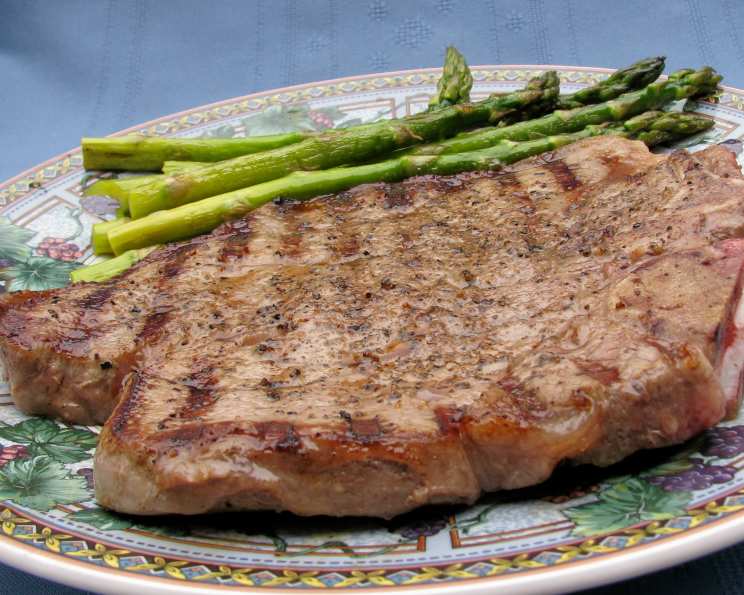
A@@ Kicking Porterhouse Steak
The first time I tasted a properly cooked porterhouse, I was a wide-eyed culinary student shadowing a seasoned chef at a prestigious steakhouse. I remember the aroma hitting me like a wall – that intoxicating blend of sizzling beef fat, smoky char, and a hint of something primal. The sheer size of the cut intimidated me, but when I took that first bite, all hesitation vanished. It was a revelation – the tender filet melting on my tongue, the robust strip offering a satisfying chew, all harmonizing in a symphony of beefy perfection. It was then I understood that simplicity, executed flawlessly, could be the most profound culinary statement.
Recipe Overview
- Prep Time: 5 minutes
- Cook Time: 10-12 minutes
- Total Time: 15-17 minutes
- Servings: 2
- Dietary Type: Carnivore
Ingredients
- 3 lbs porterhouse steak(s)
- Salt
- Cracked black pepper
Equipment Needed
- Outdoor grill (charcoal preferred)
- Tongs
- Meat thermometer (optional, but recommended)
Instructions
- Remove the porterhouse steak from the refrigerator and allow it to come to room temperature. This crucial step ensures even cooking and prevents the steak from seizing up when it hits the hot grill. This usually takes about 30-45 minutes.
- While the steak rests, prepare your charcoal grill. You want a hot fire, but not raging. Let the coals heat up fully and develop a layer of ash.
- Take a moment to sip your beer (or preferred beverage) and marvel at the steak you’re about to consume. Appreciate its marbling, its imposing size – the fact that it’s a porterhouse, a true symphony of beef. Focus your energy on what’s to come.
- Generously season both sides of the steak with salt and cracked black pepper to your liking. Don’t be shy! The seasoning creates a delicious crust and enhances the natural flavors of the beef.
- NO steak seasoning, none of that crap! Trust me on this one. You want to taste the pure, unadulterated flavor of the high-quality porterhouse.
- When the coals are heated, move them to one side of the grill, creating a direct heat zone and an indirect heat zone. This allows you to both sear the steak and cook it through without burning the outside.
- Sear the steak for 1 minute per side over the hot coals. This creates a beautiful, flavorful crust. Listen for the satisfying sizzle!
- After searing both sides, move the steak to the indirect heat (the other side of the grill) and cook for 8-10 minutes, depending on your desired level of doneness.
- For medium-rare, aim for an internal temperature of 130-135°F (54-57°C). For medium, aim for 135-145°F (57-63°C). Use a meat thermometer to ensure accuracy. Remember, the steak will continue to cook slightly while resting.
- Remove the steak from the grill and let it rest for 10 minutes before cutting. This allows the juices to redistribute throughout the meat, resulting in a more tender and flavorful steak. Tent it loosely with foil to keep it warm.
- After resting, carve the porterhouse steak off the bone, slicing against the grain. This will make the steak easier to chew.
- Enjoy the beefy bliss before you!
Expert Tips & Tricks
- Dry Brining: For an even more flavorful and tender steak, try dry brining. 24-48 hours before cooking, generously salt the steak and place it uncovered in the refrigerator. The salt will draw out moisture, which then reabsorbs, tenderizing the meat and intensifying its flavor.
- Don’t Overcrowd the Grill: Ensure there is enough space around the steak on the grill for proper airflow and even cooking.
- Use a Thermometer: A meat thermometer is your best friend when cooking steak. It eliminates guesswork and ensures you achieve your desired level of doneness every time.
- Fat is Flavor: Don’t trim too much fat off the steak before cooking. The fat renders during cooking, basting the meat and adding flavor.
- Resting is Key: Do not skip the resting period! It’s essential for a juicy and tender steak. Cutting into the steak too soon will cause all the juices to run out, resulting in a dry steak.
Serving & Storage Suggestions
Serve the porterhouse steak immediately after resting. It’s fantastic on its own, or you can pair it with classic sides like roasted potatoes, grilled asparagus, or a simple salad. A pat of compound butter (garlic herb, blue cheese, or chili lime) adds an extra layer of flavor.
Leftover steak can be stored in an airtight container in the refrigerator for up to 3 days. To reheat, gently warm it in a skillet over low heat or in a low oven (250°F or 120°C) to prevent it from drying out.
Nutritional Information
| Nutrient | Amount per Serving | % Daily Value |
|---|---|---|
| Calories | 1619 kcal | N/A |
| Calories from Fat | 1060 kcal | N/A |
| Total Fat | 117.8 g | 181% |
| Saturated Fat | 46.6 g | 232% |
| Cholesterol | 428.6 mg | 142% |
| Sodium | 360.6 mg | 15% |
| Total Carbohydrate | 0 g | 0% |
| Dietary Fiber | 0 g | 0% |
| Sugars | 0 g | 0% |
| Protein | 130.7 g | 261% |
Note: Nutritional information is an estimate and may vary based on specific ingredients and cooking methods.
Variations & Substitutions
- Different Cuts: While this recipe is specifically for a porterhouse, you can adapt it for other thick-cut steaks like ribeye, New York strip, or T-bone. Adjust cooking times accordingly.
- Marinade: If you prefer a marinated steak, marinate the porterhouse for at least 2 hours (or up to overnight) in your favorite marinade before grilling. Be sure to pat it dry before searing.
- Smoked Porterhouse: For an extra smoky flavor, add wood chips (hickory, mesquite, or oak) to your charcoal grill.
- Pan-Seared Porterhouse: If you don’t have access to a grill, you can pan-sear the porterhouse in a cast-iron skillet. Use high heat and a generous amount of oil or butter. Finish cooking in a preheated oven (350°F or 175°C) until desired doneness is reached.
FAQs (Frequently Asked Questions)
Q: Why is it important to let the steak come to room temperature before cooking?
A: Allowing the steak to come to room temperature ensures more even cooking, preventing the outside from overcooking before the inside reaches the desired doneness.
Q: What is the best way to check the steak for doneness?
A: Using a meat thermometer is the most accurate way to check for doneness. Insert the thermometer into the thickest part of the steak, avoiding the bone.
Q: Can I cook this steak on a gas grill?
A: Yes, you can cook this steak on a gas grill. Preheat the grill to high heat, sear the steak on both sides, then reduce the heat to medium and cook until desired doneness is reached.
Q: What if I don’t have cracked black pepper?
A: You can use pre-ground black pepper, but freshly cracked pepper will provide a bolder, more aromatic flavor.
Q: Why do I need to let the steak rest after cooking?
A: Resting the steak allows the juices to redistribute throughout the meat, resulting in a more tender and flavorful steak. Cutting into the steak too soon will cause the juices to run out.
Final Thoughts
Now, go forth and conquer that porterhouse! Don’t be intimidated by its size or reputation. With a little patience and these simple techniques, you can create a truly unforgettable steak experience. Savor each bite, appreciate the quality of the beef, and share this culinary masterpiece with someone special. And don’t forget to let me know how it turns out – I love hearing your feedback! Maybe pair it with a robust Cabernet Sauvignon for the ultimate indulgence.