
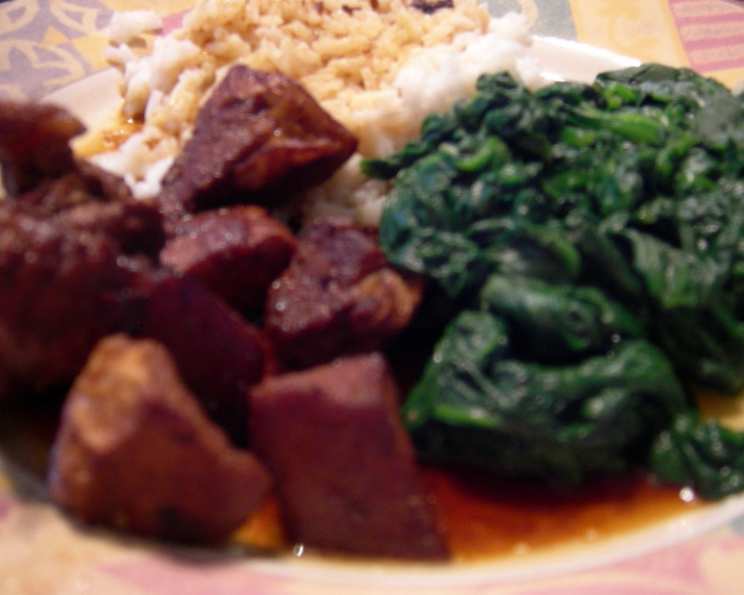
Adobo: A Taste of Home, Wherever You Are
The scent of adobo always takes me back to my childhood. My Lola’s (grandmother’s) kitchen, filled with the comforting aroma of vinegar, soy sauce, and garlic simmering away for hours. It wasn’t just a meal; it was a feeling – a warm embrace that transcended borders. Now, living thousands of miles away from my family, recreating this dish is my way of keeping those memories alive, one savory bite at a time.
Recipe Overview
- Prep Time: 30 minutes
- Cook Time: 1 hour 20 minutes
- Total Time: 1 hour 50 minutes
- Servings: 8
- Dietary Type: Varies (can be made gluten-free)
Ingredients
- 1 1/2 lbs pork, cut into 1-inch cubes
- 1/3 cup vinegar
- 2 tablespoons soy sauce
- 1 teaspoon salt
- 3 garlic cloves, minced
- 1 small bay leaf
- 1/4 teaspoon pepper
- 1/2 cup water
- 2 tablespoons cooking oil
Equipment Needed
- Large pot with lid
- Skillet
Instructions
-
In a large pot, combine the pork cubes, vinegar, soy sauce, salt, garlic, bay leaf, pepper, and water. Ensure the pork is well-coated with the marinade.
-
Let the mixture stand for at least 30 minutes. This allows the flavors to meld and the pork to begin to tenderize. For an even deeper flavor, you can marinate it in the refrigerator for a few hours or overnight.
-
Cover the pot and bring the mixture to a simmer over medium heat. Once simmering, reduce the heat to low and continue to simmer, covered, for one hour, or until the pork is very tender. Check periodically to ensure the liquid hasn’t completely evaporated; add a little more water if needed.
-
After the hour of simmering, drain the pork, reserving the sauce in a separate bowl. The sauce is where much of the flavor lies, so don’t discard it!
-
Heat the cooking oil in a skillet over medium-high heat.
-
Add the drained pork to the skillet and brown it on all sides. This step adds a wonderful depth of flavor and texture to the adobo. Don’t overcrowd the pan; brown the pork in batches if necessary to ensure even browning.
-
Once the pork is browned, transfer it to a serving dish.
-
Pour off any remaining oil from the skillet. This helps prevent the final dish from being too greasy.
-
Add the reserved sauce to the skillet. Cook for a minute or two, scraping up any browned bits sticking to the bottom of the pan. These browned bits, known as fond, are packed with flavor and will enrich the sauce.
-
Remove the bay leaf from the sauce. It has imparted its flavor, and leaving it in can make the dish bitter.
-
Pour the sauce over the browned pork in the serving dish. Serve hot with steamed rice.
Expert Tips & Tricks
- Vinegar Choice Matters: While white vinegar is commonly used, experiment with apple cider vinegar or coconut vinegar for a slightly different flavor profile.
- Soy Sauce Depth: Use a good quality soy sauce. Dark soy sauce will impart a richer color and more intense flavor.
- Spice it Up: For a spicier adobo, add a few dried chili flakes or a chopped chili pepper to the marinade.
- Make-Ahead Magic: Adobo is even better the next day! The flavors meld and deepen overnight in the refrigerator.
- Tender Pork, Every Time: Simmering the pork low and slow is key to achieving that melt-in-your-mouth tenderness. Be patient and resist the urge to rush the cooking process.
- Don’t Burn the Garlic! Minced garlic can burn quickly. Keep the heat at medium and stir frequently when browning the pork.
- Sweetness Adjustment: If you prefer a slightly sweeter adobo, add a teaspoon of brown sugar or honey to the sauce.
- Thickening the Sauce: If the sauce is too thin, simmer it for a few minutes longer after removing the pork to reduce and thicken it. A slurry of cornstarch and water can also be used as a last resort.
Serving & Storage Suggestions
Serve your adobo hot over freshly steamed white rice. The rice soaks up the flavorful sauce beautifully. It’s also delicious with a side of steamed green beans or bok choy.
Leftover adobo can be stored in an airtight container in the refrigerator for up to 3-4 days. It’s generally not recommended to leave cooked adobo at room temperature for more than 2 hours.
To reheat, simply warm it in a skillet over medium heat, or in the microwave. If the sauce has thickened too much, add a splash of water or broth.
Adobo also freezes well. Store it in freezer-safe containers for up to 2-3 months. Thaw overnight in the refrigerator before reheating.
Nutritional Information
| Nutrient | Amount per Serving | % Daily Value |
|---|---|---|
| Calories | 207 kcal | 10% |
| Total Fat | 11g | 17% |
| Saturated Fat | 3g | 15% |
| Cholesterol | 71mg | 23% |
| Sodium | 590mg | 24% |
| Total Carbohydrate | 1g | 0% |
| Dietary Fiber | 0g | 0% |
| Sugars | 0g | 0% |
| Protein | 24g | 47% |
Note: Nutritional information is an estimate and may vary based on specific ingredients and preparation methods.
Variations & Substitutions
- Chicken Adobo: Substitute the pork with chicken thighs or drumsticks. Adjust the cooking time accordingly, as chicken typically cooks faster than pork.
- Seafood Adobo: Use firm white fish like cod or halibut, or even squid or shrimp. Be careful not to overcook the seafood.
- Vegetarian Adobo: Use firm tofu or mushrooms as a substitute for the meat.
- Gluten-Free Adobo: Ensure your soy sauce is gluten-free (tamari is a good option).
- Sweet Adobo: Add a tablespoon of brown sugar or a splash of pineapple juice for a sweeter flavor.
- Adobo sa Gata (with Coconut Milk): Add a can of coconut milk to the sauce for a creamier and richer version. This variation is especially delicious with seafood.
FAQs (Frequently Asked Questions)
Q: Can I use a different cut of pork?
A: Yes, you can use other cuts like pork shoulder or belly. Just adjust the cooking time accordingly to ensure it’s tender.
Q: Can I marinate the pork for longer than 30 minutes?
A: Absolutely! Marinating it longer, even overnight, will result in a more flavorful and tender dish.
Q: Is it necessary to brown the pork?
A: While not strictly necessary, browning the pork adds a significant depth of flavor and enhances the overall taste of the adobo.
Q: Can I use dried garlic instead of fresh?
A: Fresh garlic is recommended for the best flavor, but if you only have dried garlic, use about 1 teaspoon of dried garlic powder as a substitute for the 3 cloves of fresh garlic.
Q: How do I know when the pork is done?
A: The pork is done when it’s very tender and easily pierced with a fork. It should almost fall apart when touched.
Final Thoughts
Adobo is more than just a recipe; it’s a story told through flavors, a connection to heritage, and a taste of home, no matter where you are. So, gather your ingredients, embrace the simplicity of the process, and create your own version of this beloved Filipino classic. Don’t hesitate to experiment with variations and make it your own. And, as always, I’d love to hear about your adobo adventures – share your creations and feedback! Mabuhay! (Long live!)