
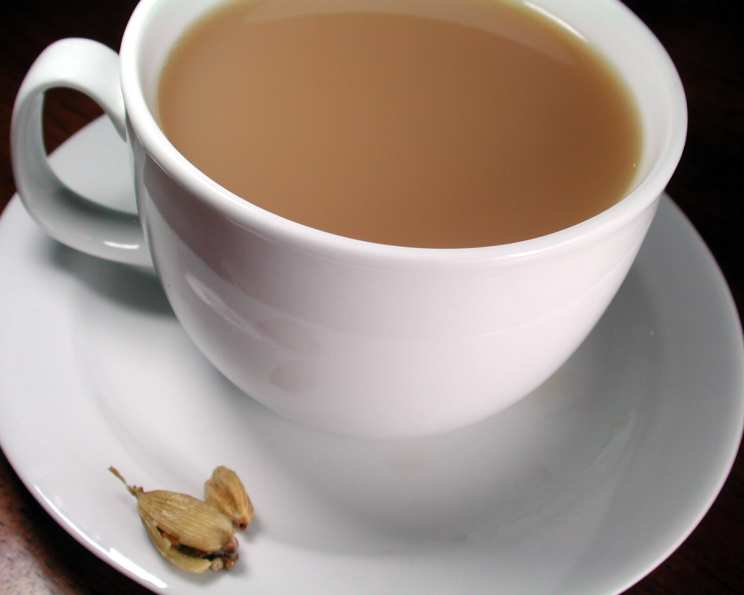
Afghan Tea: An Authentic Family Recipe
The scent of cardamom always transports me back to my grandmother’s kitchen. She would stand over a small burner, carefully watching a pot of milk simmer with tea and fragrant green pods. That gentle warmth, the promise of a comforting cup shared with loved ones, is a feeling I’ve tried to recreate ever since. It’s more than just tea; it’s a taste of home, a symbol of connection, and a memory I hold dear.
Recipe Overview
- Prep Time: 2 minutes
- Cook Time: 5 minutes
- Total Time: 7 minutes
- Servings: 2
- Yield: 2 cups
- Dietary Type: Vegetarian (easily adaptable to vegan with plant-based milk)
Ingredients
- 2 cups whole milk (or substitute plant-based milk for a vegan version)
- 4-5 whole green cardamom pods
- 3 tea bags (black tea is traditional)
- 3-4 teaspoons sugar (or to taste, can substitute with sweetener)
Equipment Needed
- Small saucepan
- Rolling pin (optional, for bruising cardamom)
- Measuring cups and spoons
- Two mugs for serving
Instructions
- Gently ‘bruise’ the cardamom pods. This can be done by placing them on a cutting board and lightly smacking them with a rolling pin or the flat side of a knife. Bruising helps to release their aromatic oils. Don’t crush them completely; you just want to crack the husk slightly.
- In a small saucepan, combine the bruised cardamom pods, milk, and tea bags.
- Place the saucepan over low heat and slowly simmer the mixture for 5 minutes. Be careful not to let the milk boil over. A gentle simmer is key to infusing the milk with the flavors of the cardamom and tea. Stir occasionally to prevent scalding.
- Remove the saucepan from the heat. Take out the tea bags and gently squeeze out any excess liquid back into the pan. Be careful not to over-squeeze, as this can make the tea bitter.
- Stir in the sugar until it is completely dissolved. Adjust the amount of sugar to your liking.
- Pour the tea into two mugs and serve immediately.
Expert Tips & Tricks
- Cardamom Quality: Use fresh, green cardamom pods for the best flavor. Older pods tend to lose their potency.
- Milk Choice: While whole milk provides the richest flavor, you can use other types of milk. For a lighter version, try using 2% milk. For a vegan option, almond milk, soy milk, or oat milk work well, but be mindful that they might alter the taste slightly.
- Tea Type: Black tea is the most traditional choice for Afghan tea, but you can experiment with other types of tea, such as green tea or Earl Grey. Adjust the brewing time according to the type of tea you use to avoid bitterness.
- Preventing Scalding: To prevent the milk from scalding, stir it frequently during simmering and keep the heat very low. A heavy-bottomed saucepan can also help distribute the heat more evenly.
- Adjusting Sweetness: The amount of sugar is a matter of personal preference. Start with less and add more until you reach your desired level of sweetness. You can also use alternative sweeteners like honey or maple syrup, but they will impart a different flavor.
- Spice it Up: For a more complex flavor, try adding a pinch of ground ginger or a small cinnamon stick to the tea while simmering.
- Foaming Milk: For a latte-like experience, use an immersion blender or whisk vigorously to create a frothy top before serving.
Serving & Storage Suggestions
Serve Afghan tea hot, preferably in a traditional teacup or mug. It’s often enjoyed as an afternoon pick-me-up or as a comforting beverage after a meal. You can serve it with a side of traditional Afghan sweets like jelabi or sheer pirah for a complete experience.
Leftover Afghan tea can be stored in an airtight container in the refrigerator for up to 24 hours. Reheat gently on the stovetop or in the microwave before serving. Be aware that the milk may separate slightly upon reheating. It is not recommended to freeze this tea as the milk texture will change significantly and will not be palatable once thawed.
Nutritional Information
(Note: Nutritional information is an estimate and may vary based on specific ingredients and portion sizes.)
| Nutrient | Amount per Serving | % Daily Value |
|---|---|---|
| Calories | 173 kcal | 9% |
| Total Fat | 7.9 g | 12% |
| Saturated Fat | 4.5 g | 22% |
| Cholesterol | 24.4 mg | 8% |
| Sodium | 105 mg | 4% |
| Total Carbohydrate | 18 g | 6% |
| Dietary Fiber | 0 g | 0% |
| Sugars | 18.6 g | 74% |
| Protein | 7.7 g | 15% |
Variations & Substitutions
- Vegan Afghan Tea: Substitute the whole milk with your favorite plant-based milk, such as almond milk, soy milk, oat milk, or coconut milk. Keep in mind that the flavor profile will change slightly depending on the type of milk you use.
- Spice Infusions: Experiment with adding other spices to the tea, such as a pinch of ground ginger, a cinnamon stick, or a few cloves. These spices will add warmth and complexity to the flavor.
- Sweetener Variations: Instead of sugar, try using honey, maple syrup, agave nectar, or a sugar substitute like stevia or erythritol to sweeten the tea. Adjust the amount to your liking.
- Herbal Afghan Tea: Use herbal tea bags instead of black tea bags for a caffeine-free version. Chamomile, peppermint, or rooibos tea would all work well.
- Iced Afghan Tea: Allow the tea to cool completely, then pour it over ice for a refreshing iced beverage. You can add a squeeze of lemon or lime for extra flavor.
- Cardamom Infusion: For a stronger cardamom flavor, gently crush the cardamom pods before adding them to the milk. You can also use ground cardamom, but start with a small amount (about 1/4 teaspoon) and add more to taste.
FAQs (Frequently Asked Questions)
Q: Can I use pre-ground cardamom instead of whole cardamom pods?
A: Yes, you can. Start with about 1/4 teaspoon of ground cardamom for this recipe. Keep in mind that the flavor of ground cardamom is more intense and it may lose its potency more quickly than whole pods.
Q: What if I don’t have time to bruise the cardamom pods?
A: While bruising helps to release the flavor, you can still make the tea without it. Simply add the whole cardamom pods to the milk and simmer as directed.
Q: Can I make a larger batch of this tea?
A: Absolutely! Just increase the ingredients proportionally to the desired yield. Be sure to use a larger saucepan to prevent boil-overs.
Q: Why is my tea bitter?
A: Over-steeping the tea bags is the most common cause of bitterness. Remove the tea bags after the recommended simmering time and avoid squeezing them excessively.
Q: Can I add other toppings to this tea?
A: While traditionally served plain, you can add a dollop of whipped cream, a sprinkle of cinnamon, or a drizzle of honey for extra indulgence.
Final Thoughts
This Afghan tea recipe is more than just a set of instructions; it’s an invitation to experience a little piece of Afghan culture and hospitality. I encourage you to try making it yourself and sharing it with your loved ones. Feel free to experiment with different variations and make it your own. I’d love to hear your feedback and any creative twists you add to this recipe. Pair it with some homemade cookies or a slice of cake for the perfect afternoon treat. Enjoy!