
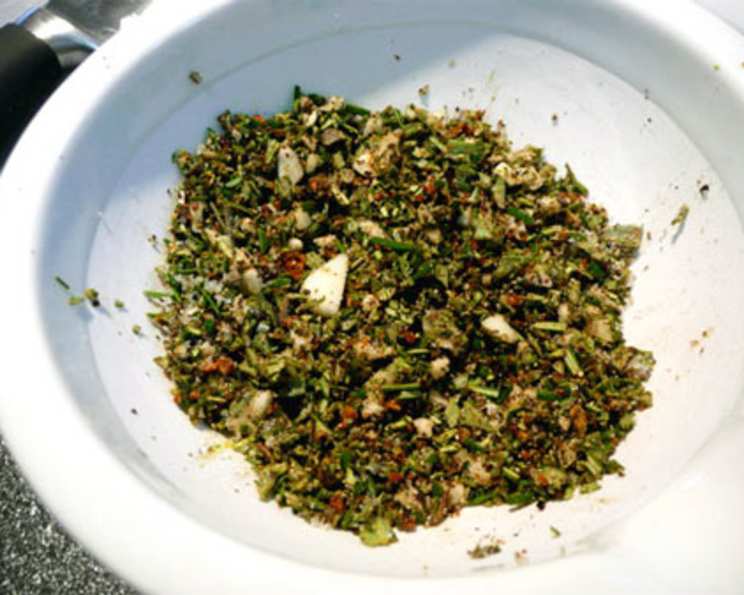
Aglione: A Taste of Tuscan Garlic Heaven
My first encounter with Aglione was a revelation. Wandering through the sun-drenched Tuscan countryside, I stumbled upon a tiny trattoria. The aroma of garlic, sweet tomatoes, and fresh herbs wafted from the kitchen, beckoning me inside. I ordered a simple pasta dish, and what arrived was unlike anything I’d ever tasted. The sauce, a vibrant red, was intensely flavored with garlic, yet surprisingly delicate and sweet. It was Aglione, and from that moment on, I was hooked. This recipe captures the essence of that unforgettable meal, bringing a piece of Tuscany to your kitchen.
Recipe Overview
- Prep Time: 20 minutes
- Cook Time: 1 hour
- Total Time: 1 hour 20 minutes
- Servings: 4-6
- Dietary Type: Vegan (depending on pasta choice)
Ingredients
- 2 lbs ripe San Marzano tomatoes, peeled, seeded, and coarsely chopped (canned are fine, but fresh are best)
- 1/2 cup extra virgin olive oil
- 8-10 cloves aglione garlic, thinly sliced (regular garlic can be substituted, but the flavor will be stronger)
- 1/2 cup dry white wine
- 1/4 cup fresh basil leaves, roughly chopped
- Red pepper flakes to taste (optional)
- Salt to taste
- Black pepper to taste
- 1 lb pasta (such as pici, spaghetti, or bucatini)
- Fresh parsley, chopped (for garnish, optional)
Equipment Needed
- Large, heavy-bottomed pot or Dutch oven
- Large skillet (optional, for browning garlic)
- Cutting board
- Sharp knife
- Pasta pot
Instructions
-
Prepare the Tomatoes: If using fresh San Marzano tomatoes, score the bottoms with an “X.” Plunge them into boiling water for 30 seconds, then transfer them to an ice bath. The skins should slip off easily. Seed and coarsely chop the tomatoes. If using canned tomatoes, drain them slightly before chopping.
-
Sauté the Garlic: In a large, heavy-bottomed pot or Dutch oven, heat the olive oil over medium-low heat. Add the thinly sliced aglione garlic. Cook gently, stirring frequently, until the garlic is softened and fragrant, about 8-10 minutes. Be careful not to brown or burn the garlic, as this will make it bitter. Alternatively, for a deeper, richer flavor, you can lightly brown the garlic in a large skillet with some of the olive oil before adding it to the pot.
-
Deglaze with Wine: Pour in the dry white wine and scrape up any browned bits from the bottom of the pot. Let the wine simmer for a few minutes, allowing the alcohol to evaporate slightly.
-
Add the Tomatoes: Add the chopped tomatoes to the pot. Stir well to combine with the garlic and wine.
-
Simmer the Sauce: Bring the sauce to a gentle simmer. Reduce the heat to low, cover the pot, and let it simmer for at least 1 hour, or up to 2 hours, stirring occasionally. The longer the sauce simmers, the richer and more flavorful it will become. If the sauce becomes too thick, add a little water or vegetable broth.
-
Season the Sauce: During the last 15 minutes of cooking, stir in the chopped fresh basil leaves. Season with salt, black pepper, and red pepper flakes (if using) to taste.
-
Cook the Pasta: While the sauce is simmering, cook the pasta according to package directions in a large pot of salted boiling water. Reserve about 1 cup of the pasta water before draining.
-
Combine and Serve: Drain the pasta and add it directly to the pot with the aglione sauce. Toss well to coat the pasta evenly with the sauce. If the sauce is too thick, add a little of the reserved pasta water until it reaches your desired consistency.
-
Serve immediately, garnished with chopped fresh parsley (optional).
Expert Tips & Tricks
- The Garlic is Key: The star of this dish is the aglione garlic. If you can’t find it, use regular garlic, but be mindful of the quantity. Start with fewer cloves and add more to taste. Aglione is sweeter and milder than regular garlic.
- Don’t Rush the Simmer: The long, slow simmer is crucial for developing the complex flavors of the sauce. Be patient and let it do its thing.
- Adjust the Consistency: The consistency of the sauce is a matter of personal preference. If you like a thicker sauce, simmer it uncovered for the last 30 minutes or so. If you prefer a thinner sauce, add more water or vegetable broth.
- Fresh is Best (If Possible): While canned tomatoes are perfectly acceptable, fresh San Marzano tomatoes will give the sauce a brighter, more vibrant flavor.
- Pasta Shape Matters: Traditionally, aglione is served with thick, hand-rolled pasta like pici. However, spaghetti or bucatini are also excellent choices. Choose a pasta shape that can hold the sauce well.
Serving & Storage Suggestions
Serve aglione hot, straight from the pot. Garnish with chopped fresh parsley for a pop of color and freshness. A simple green salad and a crusty loaf of bread are perfect accompaniments.
Leftover aglione sauce can be stored in an airtight container in the refrigerator for up to 3 days. Reheat gently on the stovetop or in the microwave. You can also freeze the sauce for up to 2 months. Thaw overnight in the refrigerator before reheating. Leftover cooked pasta with sauce should be refrigerated and consumed within 2 days. Reheat gently with a little extra sauce or olive oil to prevent it from drying out.
Nutritional Information
| Nutrient | Amount per Serving | % Daily Value |
|---|---|---|
| Calories | 450 kcal | 23% |
| Total Fat | 20g | 31% |
| Saturated Fat | 3g | 15% |
| Cholesterol | 0mg | 0% |
| Sodium | 200mg | 8% |
| Total Carbohydrate | 60g | 20% |
| Dietary Fiber | 5g | 20% |
| Sugars | 10g | – |
| Protein | 10g | 20% |
Note: Nutritional information is an estimate and may vary based on specific ingredients and portion sizes.
Variations & Substitutions
- Spicy Aglione: Add more red pepper flakes to the sauce for a spicier kick. You can also add a pinch of cayenne pepper.
- Aglione with Seafood: Add shrimp, clams, or mussels to the sauce during the last 15 minutes of cooking for a delicious seafood variation.
- Vegetarian Aglione: Add roasted vegetables, such as zucchini, eggplant, or bell peppers, to the sauce for a heartier vegetarian meal.
- Gluten-Free Aglione: Use gluten-free pasta and ensure that all other ingredients are gluten-free.
- Dairy-Free Aglione: This recipe is naturally dairy-free.
FAQs (Frequently Asked Questions)
Q: What is Aglione garlic, and why is it important for this recipe?
A: Aglione garlic is a specific variety of garlic grown in the Valdichiana area of Tuscany. It’s larger and milder than regular garlic, with a sweeter, more delicate flavor. While regular garlic can be substituted, aglione provides a unique taste profile that’s characteristic of this dish.
Q: Can I use canned diced tomatoes instead of fresh San Marzano tomatoes?
A: Yes, canned diced tomatoes are a perfectly acceptable substitute, especially when fresh tomatoes are not in season. Drain them slightly before adding them to the sauce. Look for high-quality canned San Marzano tomatoes for the best flavor.
Q: How can I prevent the garlic from burning?
A: The key is to cook the garlic over low heat and stir it frequently. If it starts to brown too quickly, reduce the heat further or add a splash of water or olive oil to the pot. Burnt garlic will make the sauce bitter.
Q: Can I make the sauce ahead of time?
A: Absolutely! In fact, the sauce often tastes even better the next day after the flavors have had a chance to meld. Store it in an airtight container in the refrigerator and reheat gently before serving.
Q: What kind of wine is best for Aglione sauce?
A: A dry white wine, such as Vermentino or Pinot Grigio, is a great choice. Avoid wines that are too sweet or oaky.
Final Thoughts
Aglione is more than just a pasta sauce; it’s a celebration of simple, high-quality ingredients and the art of slow cooking. I encourage you to try this recipe and experience the taste of Tuscany for yourself. Don’t be afraid to experiment and adjust the flavors to your liking. Share your creations with friends and family, and let them savor the magic of Aglione! Buon appetito!