
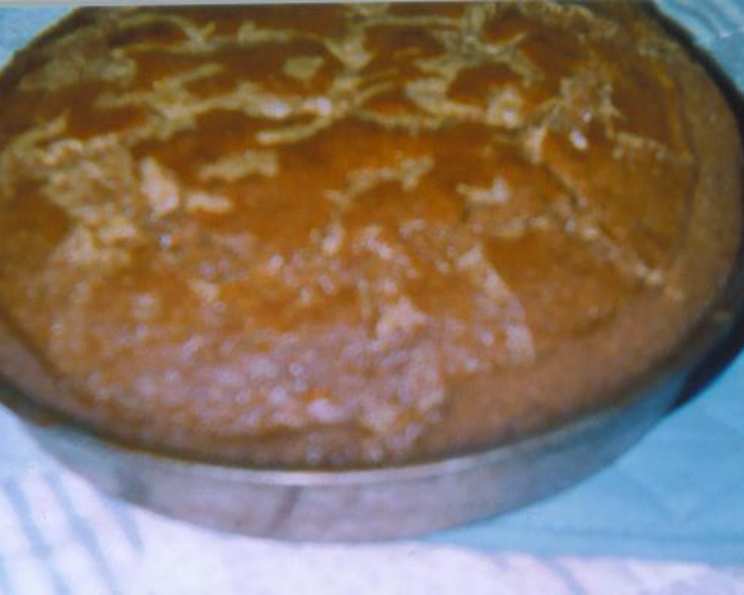
Amish Friendship Bread 1965: A Taste of Shared Tradition
The memory is as warm as the oven that birthed it: my grandmother’s kitchen, perpetually scented with cinnamon and sugar, and a bubbling, mysterious jar on the counter. As a child, I was both fascinated and slightly intimidated by the “Friendship Starter,” a living entity that required daily attention and eventually resulted in the most unbelievably delicious cinnamon-swirled bread. It felt like magic, a culinary chain letter passed down through generations of bakers, each one adding their own touch of love and warmth. It was my first glimpse into the power of food to connect us.
Recipe Overview
- Prep Time: 30 minutes (plus 12 days for starter)
- Cook Time: 35-40 minutes
- Total Time: 12 days, 30 minutes
- Servings: 16
- Yield: 1 loaf bread
- Dietary Type: Not specified, contains dairy and eggs
Ingredients
Friendship Starter Ingredients
- 2 cups unbleached all-purpose flour
- 2 cups warm water
- 1/4 ounce active dry yeast
- 2 cups whole milk
- 2 cups unbleached all-purpose flour
- 2 cups granulated sugar
Friendship Bread Ingredients (Batter)
- 3 large eggs
- 2/3 cup vegetable oil
- 1 cup Amish Friendship Bread Starter
- 2 cups unbleached flour
- 1 cup granulated sugar
- 2 teaspoons baking soda
- 1/2 teaspoon salt
Topping
- 1/3 cup melted butter
- 1/2 cup granulated sugar
- 1/2 cup packed light brown sugar
- 1/2 cup quick-cooking oats (5 minutes)
- 1 cup chopped pecans or 1 cup walnuts
- 1 1/2 teaspoons ground cinnamon
Equipment Needed
- Large glass bowl
- Wooden spoon
- Measuring cups and spoons
- Mixing bowls
- Loaf pan
- Oven
Instructions
-
Preparing the Starter (Days 1-12): This is where the magic begins. On Day 1, in a large glass bowl, combine the 2 cups unbleached all-purpose flour, 2 cups warm water, and 1/4 ounce active dry yeast. Mix these ingredients thoroughly. Let the mixture sit on your counter, uncovered, and at room temperature. Do not refrigerate.
-
Days 2, 3, and 4: Each day, use a wooden spoon to stir the starter well. This consistent stirring is important for the fermentation process.
-
Day 5 (Feeding Day): It’s time to feed your starter! Stir in 1 cup milk, 1 cup flour, and 1 cup sugar. This provides the yeast with the nutrients it needs to thrive.
-
Days 6, 7, and 8: Continue to stir the mixture well with a wooden spoon each day.
-
Day 9 (Another Feeding Day): Repeat the feeding process. Stir in another 1 cup milk, 1 cup flour, and 1 cup sugar.
-
Days 10 and 11: Continue to stir well each day.
-
Day 12 (Distribution Day): After 12 days, your starter is ready! Using a ladle, portion out one cup of starter into four separate glass jars with lids.
- Keep one jar for yourself to make bread now.
- Give two jars to friends so they can bake their own loaves.
- The fourth jar is for future use and can be kept as a reserve starter.
-
Storing the Reserve Starter: To preserve your reserve starter for later use, add 1 teaspoon sugar to the fourth jar and then refrigerate it. The added sugar will keep the yeast alive. Be sure to date the jar.
-
Maintaining the Reserve Starter: Every 10 days, remove the starter from the refrigerator and transfer it to a bowl. Feed it the regular combination of 1 cup milk, 1 cup sugar, and 1 cup flour, stirring well. Leave it on the counter uncovered for 2 days, then either bake with it or give it away again, keeping a portion for yourself to continue the cycle.
-
Making the Cinnamon Bread: Now that you have your starter (either freshly made or received from a friend), it’s time to bake! First, preheat your oven to 350 degrees F (175 degrees C).
-
Prepare the Topping: In a separate bowl, combine all the topping ingredients: 1/3 cup melted butter, 1/2 cup granulated sugar, 1/2 cup packed light brown sugar, 1/2 cup quick-cooking oats, 1 cup chopped pecans or walnuts, and 1 1/2 teaspoons ground cinnamon. Mix well and set aside.
-
Combine Wet Ingredients: In a large mixing bowl, beat together 1 cup Amish Friendship Bread Starter, 3 large eggs, and 2/3 cup vegetable oil.
-
Add Dry Ingredients: Add all the remaining ingredients for the batter: 2 cups unbleached flour, 1 cup granulated sugar, 2 teaspoons baking soda, and 1/2 teaspoon salt. Mix until just combined. Be careful not to overmix.
-
Assemble the Bread: Grease a loaf pan thoroughly. Pour half of the batter into the prepared pan. Sprinkle half of the topping mixture evenly over the batter. Cover with the remaining batter and sprinkle the remaining topping mixture over the top.
-
Bake: Bake for 35 to 40 minutes, or until the bread is golden brown and a tester inserted into the center comes out with just a few crumbs clinging to it.
Expert Tips & Tricks
- Starter Consistency: If your starter appears too thick, add a tablespoon or two of warm water to loosen it up. If it’s too thin, add a tablespoon of flour.
- Oven Variations: Baking times may vary depending on your oven. Check the bread for doneness around 30 minutes and adjust the time accordingly.
- Nut Alternatives: Feel free to experiment with different nuts for the topping. Almonds, macadamia nuts, or even sunflower seeds can be delicious alternatives.
- Spice it Up: Add a pinch of nutmeg or cloves to the topping for a warmer, more complex flavor.
- Preventing a Soggy Bottom: To ensure the bottom of your bread is perfectly baked, place a baking sheet on the rack below the loaf pan. This will help distribute the heat evenly.
- Room temperature is key: For optimal fermentation of the starter, ensure that your kitchen is at a consistent room temperature, away from drafts or extreme temperature changes.
Serving & Storage Suggestions
Amish Friendship Bread is best served warm, either on its own or with a dollop of whipped cream or a scoop of vanilla ice cream. Its sweet and cinnamon-y flavor pairs perfectly with a cup of coffee or tea.
To store leftovers, wrap the bread tightly in plastic wrap or place it in an airtight container. It will keep at room temperature for up to 3 days, in the refrigerator for up to a week, or in the freezer for up to 3 months. To reheat, simply warm a slice in the microwave or oven. For frozen bread, thaw it completely before reheating.
Nutritional Information
| Nutrient | Amount per Serving | % Daily Value |
|---|---|---|
| Calories | 570 kcal | N/A |
| Calories from Fat | 183 g | 32% |
| Total Fat | 20.3 g | 31% |
| Saturated Fat | 5 g | 24% |
| Cholesterol | 48.1 mg | 16% |
| Sodium | 293.8 mg | 12% |
| Total Carbohydrate | 90.7 g | 30% |
| Dietary Fiber | 2.4 g | 9% |
| Sugars | 52.3 g | 209% |
| Protein | 8.1 g | 16% |
Variations & Substitutions
- Spice Cake Variation: Add 1 teaspoon of pumpkin pie spice to the batter for a delicious spice cake version. You can also add 1/2 cup of raisins or chopped dried cranberries.
- Chocolate Chip Bread: Fold 1 cup of chocolate chips into the batter before pouring it into the loaf pan.
- Apple Cinnamon Bread: Add 1 cup of diced apples and 1 teaspoon of cinnamon to the batter.
- Gluten-Free Option: While a true gluten-free version requires experimentation, you can try using a gluten-free all-purpose flour blend. Be sure to add a binder like xanthan gum to help with the texture.
- Dairy-Free Option: Substitute the milk in the starter and batter with almond milk or soy milk. You can also use a dairy-free butter substitute for the topping.
FAQs (Frequently Asked Questions)
Q: What is Amish Friendship Bread?
A: Amish Friendship Bread is a sweet, cinnamon-flavored bread that starts with a unique “starter” similar to sourdough, which is shared between friends to create a continuous baking cycle.
Q: Can I use a metal bowl instead of a glass bowl for the starter?
A: While glass is traditionally used, you can use a plastic bowl as well. Avoid using reactive metals like aluminum, as they can affect the flavor of the starter.
Q: What if my starter doesn’t bubble?
A: Bubbling indicates that the yeast is active. If your starter isn’t bubbling, it may be due to temperature or yeast activity. Make sure the starter is at room temperature and consider adding a pinch more yeast to the initial mixture.
Q: Can I skip a feeding day?
A: Consistency is key for a healthy starter. Try to stick to the feeding schedule as closely as possible. If you must skip a day, refrigerate the starter and resume the feeding schedule the next day.
Q: My bread is browning too quickly. What should I do?
A: If the top of your bread is browning too quickly, tent it loosely with aluminum foil for the last 15-20 minutes of baking.
Final Thoughts
Amish Friendship Bread is more than just a recipe; it’s a tradition of sharing, community, and the simple joy of baking. From the bubbling starter to the warm, fragrant loaf, every step is a testament to the power of food to connect us. I encourage you to embark on this culinary journey, bake a loaf, and share the joy with your friends and family. It’s a gift that keeps on giving! And who knows, maybe this will become a new tradition in your kitchen, passed down for generations to come. Enjoy!