
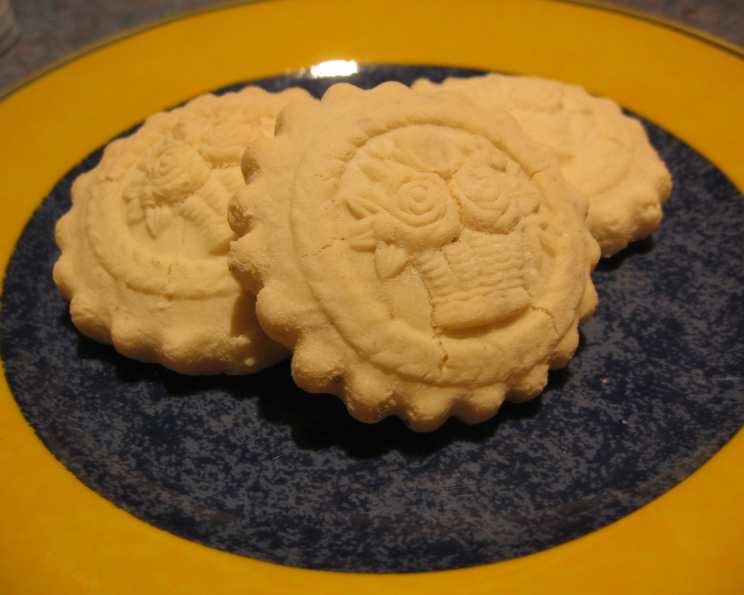
Anisbrötli: A Taste of Swiss Tradition
The scent of anise always transports me back to winter holidays spent with my grandmother. Her kitchen, a haven of warmth amidst the Swiss Alps, was always filled with the aroma of these delicate, anise-flavored biscuits. We would carefully press the dough into intricate wooden molds, the anise scent clinging to our fingers, creating beautiful scenes that would later emerge golden from the oven, ready to be dunked in steaming mugs of coffee.
Recipe Overview
- Prep Time: 20 minutes
- Cook Time: 20 minutes
- Total Time: 40 minutes
- Servings: Varies
- Yield: Approximately 50 biscuits (depending on size)
- Dietary Type: Vegetarian
Ingredients
- 4 eggs
- 500 g (1.1 lbs) icing sugar (confectioner’s sugar)
- 2 tablespoons kirsch (cherry brandy)
- 1 tablespoon anise seed
- 1 pinch salt
- 600 g (1.3 lbs) plain flour (all-purpose flour), plus extra for dusting
Equipment Needed
- Spice grinder or mortar and pestle
- Electric mixer or whisk
- Large mixing bowl
- Rolling pin
- Cookie cutters
- Shortbread molds or Anisbrötli Mödeli (optional)
- Baking paper
- Baking tray
Instructions
- Begin by preparing the anise seeds. If they are whole, lightly crush them in a spice grinder or with a mortar and pestle. This releases their aroma and prevents them from being too chunky in the biscuits. Don’t grind them to a fine powder; a slightly broken texture is ideal.
- In a large mixing bowl, cream together the eggs and icing sugar. Use an electric mixer for speed and efficiency, or a whisk if you prefer a more hands-on approach. Beat until the mixture is light, fluffy, and pale in color. This step is crucial for creating a tender biscuit.
- Next, add the kirsch, ground aniseed, and salt to the egg and sugar mixture. Stir until these ingredients are evenly distributed. The kirsch not only adds a subtle flavor note but also helps to tenderize the dough.
- Gradually add the flour to the wet ingredients. Start with about half of the flour and mix until it is incorporated. Then, add the remaining flour, a little at a time, until a dough forms.
- Knead the dough on a lightly floured surface until it is smooth and pliable. Be careful not to over-knead, as this can result in tough biscuits. If the dough is too sticky, add a little extra flour, one tablespoon at a time, until it reaches the right consistency. It should be firm but not dry.
- Roll out the dough on a lightly floured surface to a thickness of about 1 cm (approximately 1/3 inch). Ensure the dough is rolled evenly to ensure consistent baking.
- Cut out shapes using your favorite cookie cutters. For a traditional touch, use shortbread molds or Anisbrötli Mödeli to create intricate designs on the biscuits. Press the mold firmly into the dough and gently release the shaped biscuit.
- Place the cut-out biscuits on a baking tray lined with baking paper. This prevents sticking and makes cleanup easier. Leave a small gap between the biscuits to allow for even baking.
- Bake in a preheated oven at 160 degrees Celsius (320 degrees Fahrenheit) for 20 minutes. The biscuits should remain light in color and not brown excessively. If they start to brown too quickly, reduce the oven temperature slightly or cover them loosely with baking paper.
- Once baked, remove the biscuits from the oven and let them cool completely on the baking tray before transferring them to a wire rack. They will firm up as they cool.
Expert Tips & Tricks
- For a more intense anise flavor, you can infuse the kirsch with anise seeds for a few days before using it in the recipe. Simply combine the kirsch and anise seeds in a jar, seal it tightly, and let it sit at room temperature for several days, shaking occasionally. Strain the kirsch before adding it to the dough.
- If you don’t have kirsch, you can substitute it with another clear spirit, such as vodka or gin, or even a tablespoon of lemon juice for a non-alcoholic option.
- The consistency of the dough is crucial for achieving the right texture. It should be firm enough to hold its shape but not too dry or crumbly. If the dough is too dry, add a teaspoon of milk or water at a time until it comes together.
- To prevent the biscuits from spreading during baking, make sure the oven is properly preheated and the baking tray is cool. You can also chill the cut-out biscuits in the refrigerator for 15-20 minutes before baking.
- Don’t throw away the dough scraps! Re-roll them to cut out more cookies, but be aware that the texture might be slightly different on the second roll.
Serving & Storage Suggestions
Anisbrötli are traditionally served as a festive treat during the holidays, particularly around Christmas and New Year. They are delicious on their own, enjoyed with a cup of coffee or tea, or dunked in a glass of sweet dessert wine.
Store the cooled biscuits in an airtight container at room temperature. They will keep for several weeks, and their flavor may even improve over time. If you live in a humid climate, you can add a desiccant packet to the container to prevent them from becoming soft. You can also freeze Anisbrötli for up to 3 months. Thaw them at room temperature before serving.
Nutritional Information
Please note that these are estimates and can vary based on specific ingredients and portion sizes.
| Nutrient | Amount per Serving | % Daily Value |
|---|---|---|
| Calories | 85 kcal | 4% |
| Total Fat | 1 g | 1% |
| Saturated Fat | 0 g | 0% |
| Cholesterol | 10 mg | 3% |
| Sodium | 5 mg | 0% |
| Total Carbohydrate | 19 g | 7% |
| Dietary Fiber | 0 g | 0% |
| Sugars | 10 g | – |
| Protein | 1 g | 2% |
Variations & Substitutions
- Almond Anisbrötli: For those who prefer almond flavor, substitute half of the anise seed with an equal amount of almond extract. You can also add finely ground almonds to the dough for a richer flavor and texture.
- Citrus Anisbrötli: Add the zest of one lemon or orange to the dough for a bright, citrusy twist.
- Gluten-Free Anisbrötli: Use a gluten-free all-purpose flour blend in place of the plain flour. You may need to adjust the amount of liquid to achieve the right dough consistency.
- Vegan Anisbrötli: Substitute the eggs with a flax egg (1 tablespoon of ground flaxseed mixed with 3 tablespoons of water, let sit for 5 minutes). Be sure to use a vegan sugar as some icing sugars may contain bone char.
- Spiced Anisbrötli: Add a pinch of ground cinnamon, cardamom, or nutmeg to the dough for a warming, spiced flavor.
FAQs (Frequently Asked Questions)
Q: Why are my Anisbrötli hard?
A: Anisbrötli are meant to be a hard biscuit, perfect for dunking! However, overbaking can make them excessively hard. Ensure you are baking them at the correct temperature and for the right amount of time.
Q: Can I use honey instead of icing sugar?
A: While honey can be used as a sweetener, it will significantly change the texture and flavor of the Anisbrötli. Icing sugar is recommended for the best results.
Q: Can I make the dough ahead of time?
A: Yes, you can make the dough ahead of time. Wrap it tightly in plastic wrap and store it in the refrigerator for up to 2 days. Allow the dough to come to room temperature slightly before rolling it out.
Q: My Anisbrötli spread out during baking. What did I do wrong?
A: This can happen if the dough is too warm or if the oven is not preheated properly. Try chilling the cut-out biscuits in the refrigerator for 15-20 minutes before baking, and make sure your oven is fully preheated.
Q: How do I get the anise flavor to be more pronounced?
A: Toasting the anise seeds lightly before grinding them can enhance their flavor. Also, make sure you are using fresh, high-quality anise seeds.
Final Thoughts
These Anisbrötli are more than just biscuits; they are a connection to tradition, a taste of home, and a reminder of cherished moments. I encourage you to try this recipe and create your own memories. Don’t be afraid to experiment with different molds or flavor variations. Share your creations with loved ones, and let the aroma of anise fill your kitchen with warmth and joy. Enjoy!