
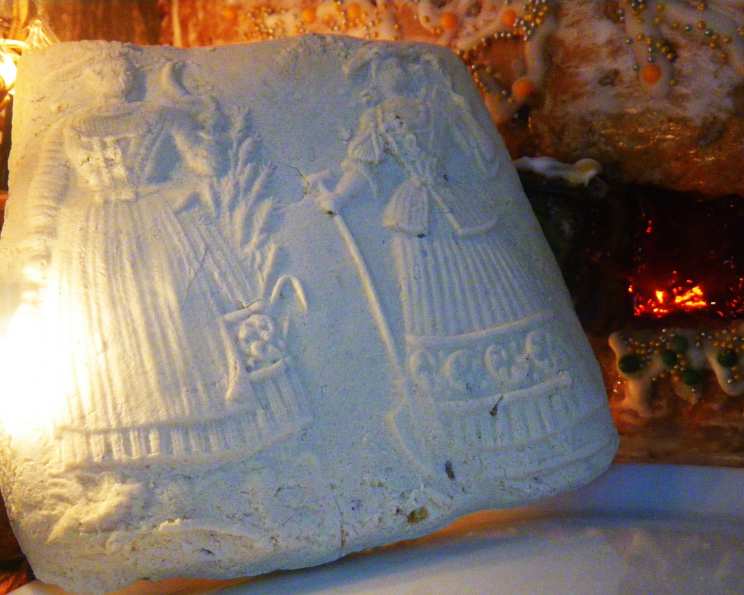
Aniskrabeli and Anisbroetli: A Taste of Swiss Tradition
The aroma of anise always transports me back to Christmas at my grandmother’s house. Every year, she would meticulously prepare Aniskrabeli and Anisbroetli, these delicate Swiss anise cookies. The entire kitchen would be filled with the sweet, licorice-like scent, a promise of holiday cheer. I remember watching her, mesmerized, as she carefully shaped the Krabeli with her nimble fingers and pressed the dough into intricately carved wooden molds for the Anisbroetli. These weren’t just cookies; they were edible works of art, tiny vessels carrying generations of family tradition.
Recipe Overview
- Prep Time: 30 minutes
- Dry Time: 12-24 hours
- Cook Time: 15-25 minutes
- Total Time: 13-25 hours
- Yields: Approximately 100 cookies
- Dietary Type: Vegetarian
Ingredients
- 4 eggs
- 500 g icing sugar
- 2 tablespoons kirsch
- 1 tablespoon anise (for Aniskrabeli seeds and for Anisbroetli ground)
- 1 pinch salt
- 600 g plain flour
Equipment Needed
- Blender or stand mixer
- Baking trays
- Parchment paper or baking mats
- Rolling pin
- Sharp knife (for Aniskrabeli)
- Cookie stamps (for Anisbroetli)
- Floured surface
Instructions
-
In a large bowl or the bowl of a stand mixer, combine the icing sugar and eggs. Using a blender or the mixer, beat the mixture until it becomes very light and fluffy. This step is crucial for achieving the right texture, so don’t rush it.
-
Add the kirsch, anise (seeds for Aniskrabeli, ground for Anisbroetli), and salt to the egg and sugar mixture. Mix until well combined.
-
Gradually add the plain flour, mixing until a smooth dough forms. Knead the dough until it comes together into a cohesive ball.
-
For Aniskrabeli: On a lightly floured surface, roll out the dough to a thickness of about 1.5 cm (½ inch). Cut the dough into pieces that are 4-5 centimeters (2 inches) in length.
-
Make three oblique cuts on the top of each piece. Gently fold the cookies slightly to create the characteristic Krabeli shape, resembling a tiny, stylized seashell.
-
For Anisbroetli: On a lightly floured surface, roll out the dough to a thickness suitable for your cookie stamps, or form small balls with your hands.
-
Press the cookie stamps firmly into the dough to create the desired shapes. Carefully release the stamped cookies from the molds.
-
Place the shaped Aniskrabeli and Anisbroetli onto baking trays lined with parchment paper or baking mats.
-
Drying is essential! Allow the cookies to dry at room temperature for approximately 12-24 hours. This step allows a slight crust to form, which is crucial for achieving the correct texture during baking. Don’t skip this!
-
Preheat your oven to 150 degrees Celsius (300 degrees Fahrenheit).
-
Bake the cookies for 15-25 minutes, or until they are set but not browned. These cookies should remain pale in color. Heat and timing are based on a convection oven, so adjust accordingly for other oven types.
-
Remove the cookies from the oven and let them cool completely on the baking trays before transferring them to a wire rack.
-
Enjoy the fruits of your labor – delicious, traditional Swiss Aniskrabeli and Anisbroetli.
Expert Tips & Tricks
- Egg Fluffiness: The key to achieving the delicate texture of these cookies lies in the thorough beating of the eggs and sugar. Beat until the mixture is very pale and almost ribbon-like.
- Anise Intensity: If you prefer a stronger anise flavor, you can steep the anise seeds in the kirsch for a few hours before adding them to the dough. This will help to infuse the kirsch with a more intense anise flavor.
- Drying Time Variation: The drying time can vary depending on the humidity in your kitchen. If the cookies still feel soft after 24 hours, allow them to dry for a few more hours.
- Oven Adjustment: Every oven is different. Keep a close eye on the cookies during baking, and adjust the baking time as needed to prevent them from browning. A slightly lower temperature might be preferable if your oven runs hot.
- Stamp Release: To prevent the dough from sticking to the cookie stamps, lightly dust the stamps with flour before each use.
- Even Baking: Rotate the baking trays halfway through the baking time to ensure even baking.
Serving & Storage Suggestions
Aniskrabeli and Anisbroetli are best enjoyed on their own, with a cup of coffee or tea. They are also a delightful addition to a festive dessert platter. To store, keep the cookies in an airtight container at room temperature. They will stay fresh for several weeks. You can also freeze them for longer storage; thaw them at room temperature before serving. The texture might be slightly different after freezing, but they will still taste delicious.
Nutritional Information
Note: Nutritional information is an estimate and may vary based on specific ingredients and portion sizes.
| Nutrient | Amount per Serving | % Daily Value |
|---|---|---|
| Calories | 50 kcal | 2% |
| Total Fat | 0.3g | 0% |
| Saturated Fat | 0.1g | 0% |
| Cholesterol | 7.4mg | 2% |
| Sodium | 4.7mg | 0% |
| Total Carbohydrate | 10.8g | 3% |
| Dietary Fiber | 0.2g | 0% |
| Sugars | 4.9g | 19% |
| Protein | 1g | 2% |
Variations & Substitutions
- Gluten-Free: Substitute the plain flour with a gluten-free all-purpose flour blend. You may need to add a little more liquid to achieve the right dough consistency.
- Dairy-Free: While this recipe is already relatively low in dairy (only from trace amounts in the icing sugar depending on brand), ensure your icing sugar is dairy-free or use a homemade version.
- Flavor Variations: Experiment with different extracts in addition to the anise, such as lemon or almond extract. You can also add a touch of citrus zest to the dough for a brighter flavor.
- Spice it Up: Add a pinch of ground cardamom or cinnamon for a warmer, more complex flavor profile.
- Different Spirits: Instead of Kirsch, try using a different fruit brandy or even a flavored liqueur that complements the anise.
FAQs (Frequently Asked Questions)
Q: Why is it essential to dry the cookies before baking?
A: Drying the cookies allows a slight crust to form on the surface, which helps them maintain their shape during baking and gives them a characteristic crisp-tender texture.
Q: Can I use a different type of sugar instead of icing sugar?
A: Icing sugar, also known as powdered sugar, is crucial for the delicate texture of these cookies. Granulated sugar will result in a different, less desirable texture.
Q: How can I prevent the cookies from browning too much during baking?
A: Keep a close eye on the cookies while they are baking, and reduce the oven temperature slightly if they start to brown too quickly. Baking them on the middle rack of the oven can also help.
Q: My dough is too sticky. What should I do?
A: Add a little more flour, one tablespoon at a time, until the dough reaches a manageable consistency. Be careful not to add too much flour, or the cookies will become dry.
Q: Can I make the dough ahead of time?
A: Yes, you can make the dough ahead of time and store it in the refrigerator for up to 24 hours. Bring the dough to room temperature before rolling and shaping the cookies.
Final Thoughts
Baking Aniskrabeli and Anisbroetli is more than just following a recipe; it’s about connecting with a rich culinary heritage and creating memories that will last a lifetime. Don’t be intimidated by the drying time – it’s a crucial step that elevates these cookies to a whole new level of deliciousness. So, gather your ingredients, put on some music, and embark on this delightful baking adventure. I encourage you to try this recipe and experience the magic of these traditional Swiss treats for yourself. Share your creations and any variations you discover – I’d love to hear about your baking journey! Pair them with a strong coffee or a glass of sweet dessert wine for the ultimate indulgence.