
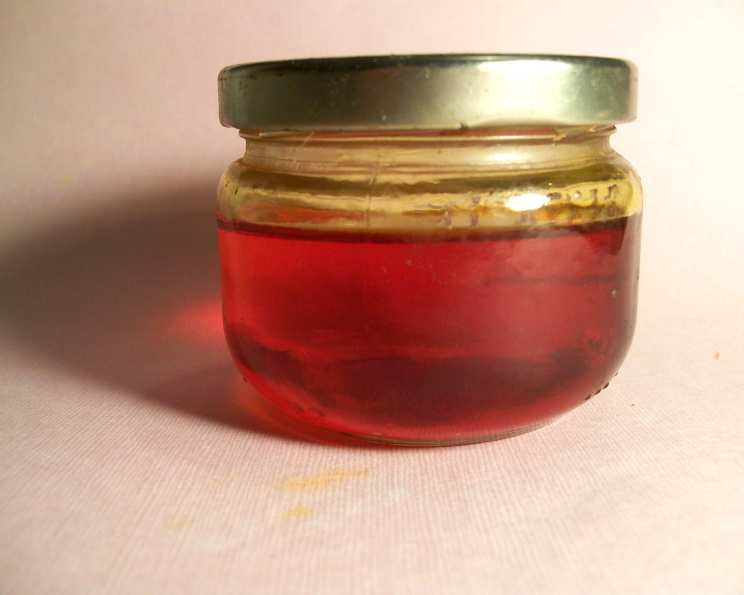
Liquid Sunshine: Mastering Annatto Oil
I remember being a young culinary student, utterly fascinated by the vibrant hues that could transform a simple dish. One of my earliest experiments involved a humble batch of chicken and rice. I was aiming for something special, something beyond the usual fare. That’s when I stumbled upon annatto oil. The deep, reddish-orange tint it imparted, along with its subtle, earthy flavor, turned my ordinary dish into a visual and flavorful masterpiece. It wasn’t just food; it was a culinary revelation. Ever since, annatto oil has remained a cherished secret weapon in my kitchen.
Recipe Overview
- Prep Time: 5 minutes
- Cook Time: 2 minutes
- Total Time: 12 minutes
- Yields: ¾ cup
- Dietary Type: Vegan, Gluten-Free, Dairy-Free
Ingredients
- ¾ cup olive oil
- 2 tablespoons annatto seeds (also known as achiote)
Equipment Needed
- Very small saucepan
- Fine-mesh sieve
- Bowl
Instructions
- In a very small saucepan, combine the annatto seeds and olive oil.
- Place the saucepan over low heat. Swirl the pan frequently to ensure even heating and prevent the seeds from burning.
- Continue heating until the oil becomes a bright red-orange color and begins to gently simmer. This should take approximately 2 minutes. Watch carefully; the process happens quickly.
- Remove the saucepan from the heat.
- Let the mixture stand for 10 minutes. This allows the oil to fully extract the color and flavor from the annatto seeds.
- Place a fine-mesh sieve over a bowl.
- Carefully pour the oil and seed mixture through the sieve, allowing the oil to drip into the bowl.
- Once all the oil has drained, discard the annatto seeds. They have served their purpose and are no longer needed.
Expert Tips & Tricks
- Temperature Control: The key to successful annatto oil is maintaining a low heat. High heat can cause the annatto seeds to burn, resulting in a bitter flavor.
- Visual Cues: Pay close attention to the color of the oil. It should transform into a vibrant red-orange. This indicates that the annatto seeds have released their pigment and flavor.
- Infusion Time: Don’t rush the infusion process. Letting the oil stand for the recommended 10 minutes ensures maximum extraction.
- Seed Quality: Use fresh, high-quality annatto seeds for the best results. Look for seeds that are a deep red color and have a slightly sweet aroma.
- Strain Thoroughly: Make sure to strain the oil completely to remove any small particles of annatto seed. This will ensure a smooth and visually appealing final product.
- Flavor Enhancement: For a more complex flavor, consider adding other aromatics to the oil during the heating process. A clove of garlic, a sprig of thyme, or a pinch of red pepper flakes can add depth and complexity. Be sure to remove these aromatics along with the seeds when straining.
- Batch Size: This recipe yields approximately ¾ cup of annatto oil. Feel free to adjust the quantities proportionally to make a larger or smaller batch as needed.
- Olive Oil Choice: While the recipe specifies olive oil, you can experiment with other neutral-flavored oils such as canola or grapeseed oil. Keep in mind that the flavor of the oil will slightly affect the final product. Olive oil will impart a subtle fruity note, while neutral oils will allow the annatto flavor to shine through more prominently.
Serving & Storage Suggestions
Annatto oil is incredibly versatile and can be used in a wide range of dishes. Drizzle it over grilled meats, vegetables, or seafood for a beautiful color and subtle flavor. Use it as a base for marinades, sauces, and dressings. Add it to rice, soups, and stews for a vibrant hue and earthy note.
To store, transfer the strained annatto oil to an airtight container. Store in the refrigerator. Properly stored, it will keep indefinitely. The oil may solidify in the refrigerator, but it will return to its liquid state at room temperature.
Nutritional Information
| Nutrient | Amount per Serving (1 tbsp) | % Daily Value |
|---|---|---|
| Calories | 153 kcal | 8% |
| Total Fat | 17g | 26% |
| Saturated Fat | 2.4g | 12% |
| Monounsaturated Fat | 12g | N/A |
| Polyunsaturated Fat | 1.8g | N/A |
| Cholesterol | 0mg | 0% |
| Sodium | 0mg | 0% |
| Total Carbohydrate | 0g | 0% |
| Dietary Fiber | 0g | 0% |
| Sugars | 0g | 0% |
| Protein | 0g | 0% |
| Vitamin A | 2% | N/A |
| Vitamin C | 0% | N/A |
| Calcium | 0% | N/A |
| Iron | 0% | N/A |
Note: Nutritional information is an estimate and may vary based on specific ingredients and preparation methods.
Variations & Substitutions
- Infused Annatto Oil: As mentioned earlier, feel free to experiment with infusing the oil with other aromatics. Garlic, chilies, herbs, and spices can all add unique flavor profiles.
- Annatto Powder: If you don’t have annatto seeds on hand, you can use annatto powder as a substitute. Start with a small amount (about ½ teaspoon per ¾ cup of oil) and adjust to taste. Be aware that annatto powder may not impart the same depth of color and flavor as the seeds.
- Oil Blends: Try blending different types of oil to create a unique flavor profile. For example, a combination of olive oil and avocado oil can create a rich and flavorful annatto oil.
- Spice Level: Add a pinch of red pepper flakes or a dried chili to the oil during the heating process for a spicy kick.
- Citrus Infusion: Add a strip of lemon or orange zest to the oil for a bright, citrusy flavor.
FAQs (Frequently Asked Questions)
Q: What exactly are annatto seeds?
A: Annatto seeds, also known as achiote, are derived from the achiote tree. They are commonly used as a natural food coloring and flavoring agent.
Q: Can I use annatto oil in baking?
A: While annatto oil is primarily used in savory dishes, it can be used in some baking applications to add color and a subtle flavor.
Q: How long will annatto oil last?
A: Properly stored in an airtight container in the refrigerator, annatto oil can last indefinitely.
Q: Why is my annatto oil not as vibrant as it should be?
A: The vibrancy of the oil depends on the quality and freshness of the annatto seeds. Make sure you are using fresh, high-quality seeds.
Q: Can I reuse the annatto seeds after making the oil?
A: No, the annatto seeds have already released their color and flavor into the oil and should be discarded after straining.
Final Thoughts
Annatto oil is more than just a cooking ingredient; it’s a culinary tool that can transform your dishes into visually stunning and flavorful masterpieces. Its vibrant color and subtle earthy flavor add depth and complexity to a wide range of recipes. I encourage you to experiment with this versatile oil and discover its many possibilities. Share your creations and experiences! Perhaps pair it with some slow-roasted pork or drizzled over creamy polenta for a truly unforgettable meal. Embrace the liquid sunshine and let it brighten your culinary world.