
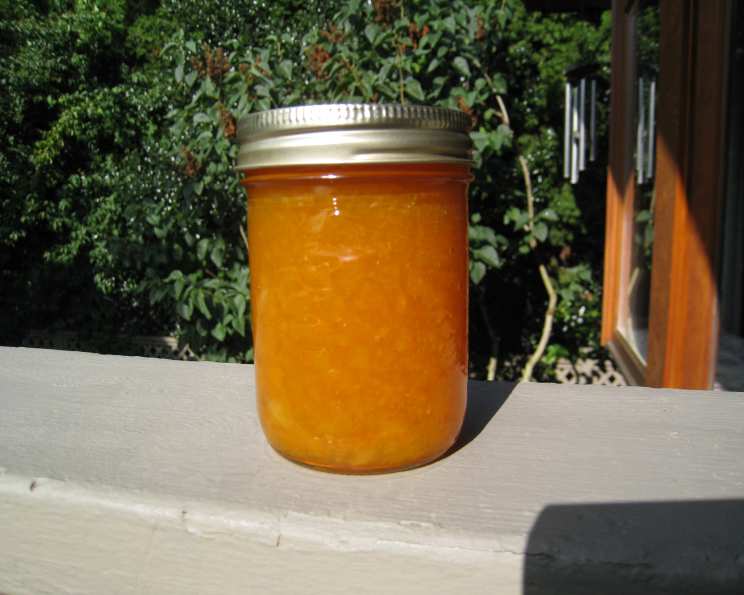
Sunshine in a Jar: Apricot Pineapple Marmalade
The aroma still takes me back. Standing in my grandmother’s kitchen, the late summer sun streaming through the window, the air thick with the sweet scent of simmering fruit. She’d always be at the stove, a wooden spoon in hand, patiently stirring a bubbling pot of marmalade. It wasn’t just a preserve; it was a love letter bottled and sealed, a taste of sunshine to brighten even the dreariest winter day. I’ve tried countless marmalade recipes over the years, but this Apricot Pineapple version reminds me of her most.
Recipe Overview
- Prep Time: 30 minutes
- Cook Time: 15-20 minutes
- Total Time: 45-50 minutes
- Yields: 8 cups
- Serves: 30-40
- Dietary Type: Gluten-Free
Ingredients
- 1 ½ kg (3.25-3.5 lbs) fresh apricots
- 398 ml can crushed pineapple, drained
- 2 tablespoons finely grated orange zest
- 5 cups sugar, divided use
- 1 box Certo, light pectin crystals
Equipment Needed
- Large pot
- Meat grinder (optional, but recommended) or sharp knife and cutting board
- Sterilized canning jars (approximately 8 cups worth)
- Water bath canner
- Jar lifter
- Ladle
Instructions
-
Begin by preparing the apricots. Rinse them thoroughly, remove the stems, cut or break each apricot in half, and remove the pits. This is a great task to delegate if you have helping hands in the kitchen!
-
Next, chop the apricots. The traditional method, and the one that yields the best texture, involves running the apricot halves through a meat grinder using the large holes. This creates a coarse, pulpy texture perfect for marmalade. If you don’t have a meat grinder, you can finely chop the apricots by hand with a sharp knife. Aim for a similar consistency to the ground apricots. You should have about 8 cups of prepared apricots.
-
In a large, heavy-bottomed pot, combine the chopped or ground apricots, the drained crushed pineapple, and the finely grated orange zest. The orange zest adds a lovely citrusy depth to the marmalade that complements the apricot and pineapple beautifully.
-
In a small bowl, mix 1/4 cup of the sugar with the entire box of pectin crystals. This step is crucial to ensure the pectin disperses evenly and prevents clumping, leading to a smoother final product.
-
Stir the sugar-pectin mixture into the apricot mixture in the pot. Ensure it is well combined.
-
Place the pot over high heat and bring the mixture to a vigorous, rolling boil, stirring constantly to prevent scorching. Once boiling, immediately add the remaining 4 ¾ cups of sugar.
-
Return the mixture to a boil, continuing to stir constantly. Boil for 1 to 5 minutes, depending on your desired marmalade consistency. Shorter boiling times (1 minute) will result in a runnier marmalade, ideal for spooning over yogurt or using as a glaze. Longer boiling times (5 minutes) will yield a thicker, more intensely flavored marmalade perfect for spreading on toast. Use a candy thermometer to test. For a loose set, aim for 215°F (102°C); for a firmer set, aim for 220°F (104°C). Remember that the marmalade will thicken as it cools.
-
Remove the pot from the heat. Now comes the important step of skimming the foam. Stir the marmalade vigorously for about 5 minutes. This process removes any unsightly foam that has formed during cooking and also helps to prevent the fruit from floating to the top of the jars, resulting in a more visually appealing final product.
-
Ladle the hot marmalade into warm, sterilized canning jars, leaving ¼ inch of headspace at the top of each jar. Headspace is crucial for proper sealing.
-
Wipe the rims of the jars clean with a damp cloth. This ensures a good seal. Place the lids on the jars and screw on the bands fingertip-tight.
-
Process the jars in a boiling water bath for 10 minutes. Ensure the jars are fully submerged in the boiling water. The processing time ensures a proper seal and prevents spoilage.
-
Using a jar lifter, carefully remove the jars from the water bath and place them on a towel-lined surface to cool. As the jars cool, you should hear a popping sound, indicating that the lids have sealed properly.
-
Once the jars are completely cool, check the seals by pressing down on the center of each lid. If the lid doesn’t flex, it is sealed. If the lid flexes, the jar didn’t seal properly and should be refrigerated and used promptly.
Expert Tips & Tricks
- Fruit Quality is Key: Use ripe, but firm apricots for the best flavor and texture. Overripe fruit will result in a mushy marmalade.
- Adjusting Sweetness: Taste the apricots before adding the sugar. If they are particularly sweet, you may want to reduce the amount of sugar slightly.
- Preventing Scorching: Use a heavy-bottomed pot and stir frequently, especially after adding the sugar, to prevent the marmalade from scorching.
- The Cold Plate Test: To test for doneness, place a small spoonful of the hot marmalade on a chilled plate. Let it cool for a minute. If it wrinkles when you push it with your finger, it’s ready.
- Sterilizing Jars: Sterilize the canning jars and lids by boiling them in water for 10 minutes before filling. This eliminates any bacteria that could spoil the marmalade. You can also sterilize them in a dishwasher.
- Flavor Boost: For an extra layer of flavor, consider adding a splash of almond extract or a pinch of ground ginger to the marmalade.
Serving & Storage Suggestions
This Apricot Pineapple Marmalade is incredibly versatile. Spread it on toast, scones, or muffins for a delightful breakfast treat. Use it as a glaze for ham or pork. Spoon it over yogurt, ice cream, or pancakes. It also pairs well with cheese and crackers.
Properly sealed jars of marmalade can be stored in a cool, dark place for up to 1 year. Once opened, refrigerate and use within 2-3 weeks. Unsealed jars should be refrigerated immediately and consumed within the same timeframe.
Nutritional Information
Note: Nutritional information is an estimate and may vary based on specific ingredients and portion sizes.
| Nutrient | Amount per Serving | % Daily Value |
|---|---|---|
| Calories | 162 kcal | 8% |
| Total Fat | 0.2 g | 0% |
| Saturated Fat | 0 g | 0% |
| Cholesterol | 0 mg | 0% |
| Sodium | 0.7 mg | 0% |
| Total Carbohydrate | 41.2 g | 14% |
| Dietary Fiber | 1.1 g | 4% |
| Sugars | 39.9 g | 80% |
| Protein | 0.8 g | 2% |
Variations & Substitutions
- Spice it up: Add a pinch of red pepper flakes for a sweet and spicy marmalade.
- Citrus Medley: Experiment with different citrus zests, such as lemon or grapefruit, in addition to the orange zest.
- Apricot Jam: If you prefer a smoother texture, blend the cooked marmalade with an immersion blender before jarring.
- Other Fruits: While this recipe is specifically for Apricot Pineapple Marmalade, you could try using other combinations of fruits such as peaches, plums or nectarines.
FAQs (Frequently Asked Questions)
Q: Why is my marmalade not setting?
A: Several factors can prevent marmalade from setting, including insufficient pectin, too much liquid, or not boiling it long enough. Make sure you are using a proper jam thermometer and reaching a temperature of at least 215°F (102°C).
Q: Can I use frozen apricots?
A: While fresh apricots are ideal, you can use frozen apricots in a pinch. Be sure to thaw them completely and drain off any excess liquid before using.
Q: Do I have to use a water bath canner?
A: Yes, water bath canning is essential for ensuring the marmalade is properly sealed and shelf-stable. This process eliminates bacteria and prevents spoilage.
Q: How do I know if my jars have sealed properly?
A: After the jars have cooled completely, press down on the center of each lid. If the lid doesn’t flex, it is sealed. If the lid flexes, the jar didn’t seal properly and should be refrigerated and used promptly.
Q: Can I reduce the amount of sugar?
A: Sugar is not just for sweetness; it also acts as a preservative. Reducing the sugar significantly can affect the shelf life and setting ability of the marmalade. If you want to reduce the sugar, you may need to use a special low-sugar pectin.
Final Thoughts
I hope this recipe brings a little sunshine into your kitchen. Making marmalade is a labor of love, but the result is a delicious and rewarding preserve that you can enjoy for months to come. Don’t be afraid to experiment with variations and find your own perfect flavor combination. And most importantly, have fun! Please let me know how it turns out. I would love to hear about your apricot marmalade experiences!