
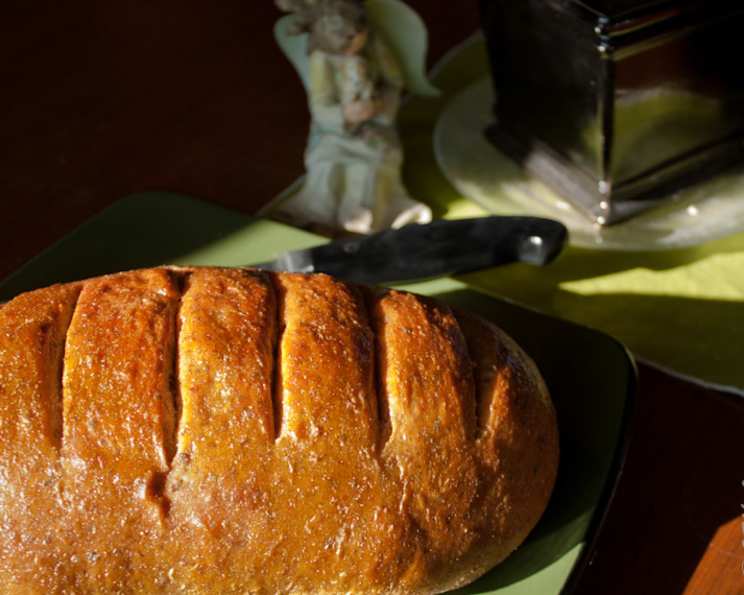
Argentine Chimichurri Bread (Abm)
The scent of freshly baked bread is always a welcome embrace, but add the vibrant, herbaceous punch of chimichurri, and you’ve elevated the experience to something truly special. I remember the first time I tasted chimichurri bread; it was at a small parrilla in Buenos Aires. The aroma alone was intoxicating – a blend of warm dough mingling with garlic, parsley, and a hint of spice. It was served alongside grilled chorizo, and the combination was simply divine, the zesty bread cutting through the richness of the meat. That memory inspired me to create this recipe, capturing the essence of Argentina in every slice.
Recipe Overview
- Prep Time: 15 minutes
- Cook Time: 20-25 minutes (oven) or bread machine cycle (variable)
- Total Time: Approximately 1 hour 15 minutes – 2 hours (including rise time if baking in oven)
- Servings: Approximately 12 slices
- Yield: 1 loaf
- Dietary Type: Vegetarian (can be made vegan)
Ingredients
- 1 ¾ teaspoons dry yeast
- 3 cups bread flour
- 3 tablespoons wheat bran (oat bran or whole wheat flour can be substituted)
- 1 tablespoon sugar
- 1 ½ teaspoons salt
- 2 tablespoons dried parsley
- 2 tablespoons dried onion
- 3 cloves garlic, finely chopped
- ¼ teaspoon dried oregano
- ⅛ teaspoon cayenne pepper
- ¼ teaspoon dried rosemary
- 3 tablespoons olive oil
- 1 ½ tablespoons white wine vinegar
- 1 cup water
Equipment Needed
- Bread Machine (or)
- Mixing Bowl
- Loaf Pan (approximately 9×5 inches)
- Measuring cups and spoons
- Clean kitchen towel
Instructions
This recipe offers two methods for creating the flavorful Argentine Chimichurri Bread: using a bread machine for a hands-off approach or baking it in the oven for a more traditional artisanal feel.
Method 1: Bread Machine
- Refer to your bread machine’s manual for the recommended order of ingredient addition. Generally, liquids go in first, followed by dry ingredients, with the yeast added last, often in a designated dispenser or on top of the flour.
- Add the water to the bread machine pan.
- Pour in the olive oil and white wine vinegar.
- Add the bread flour, wheat bran, sugar, and salt to the pan. Ensure the salt and sugar are separated to prevent inhibiting the yeast.
- Sprinkle the dried parsley, dried onion, chopped garlic, dried oregano, cayenne pepper, and dried rosemary over the flour.
- Finally, add the dry yeast.
- Select the appropriate bread cycle on your bread machine (usually the “Basic” or “White Bread” setting).
- Press “Start” and allow the bread machine to complete the entire cycle, which includes kneading, rising, and baking. The time will vary depending on your machine.
- Once the bread machine cycle is complete, carefully remove the loaf from the pan and let it cool on a wire rack before slicing and serving.
Method 2: Oven Baking
- In a large mixing bowl, combine the water, olive oil, and white wine vinegar.
- In a separate bowl, whisk together the bread flour, wheat bran, sugar, salt, dried parsley, dried onion, chopped garlic, dried oregano, cayenne pepper, and dried rosemary.
- Gradually add the dry ingredients to the wet ingredients, mixing until a shaggy dough forms.
- Turn the dough out onto a lightly floured surface and knead for 8-10 minutes, until it becomes smooth and elastic.
- Place the dough in a lightly oiled bowl, turning to coat. Cover the bowl with a clean kitchen towel and let it rise in a warm place for about 1 hour, or until doubled in size.
- Preheat your oven to 400°F (200°C). Grease a loaf pan (approximately 9×5 inches) thoroughly.
- Gently punch down the dough to release any air. Shape the dough into a loaf and place it in the prepared loaf pan.
- Cover the loaf pan with a clean kitchen towel and let it rise for another 30-45 minutes, or until it has almost doubled in size again.
- Bake in the preheated oven for 20-25 minutes, or until the loaf is golden brown and sounds hollow when tapped on the bottom. An instant-read thermometer inserted into the center should read around 200°F (93°C).
- Remove the loaf from the oven and let it cool in the pan for a few minutes before transferring it to a wire rack to cool completely.
- (Optional) While the loaf is still warm, rub the top with a pat of butter for added richness and shine.
Expert Tips & Tricks
- Garlic Flavor Boost: For a more intense garlic flavor, lightly sauté the chopped garlic in a tablespoon of olive oil before adding it to the dough. Be careful not to burn it.
- Fresh Herb Infusion: While the recipe calls for dried herbs, using a combination of fresh parsley, oregano, and rosemary will elevate the flavor profile even further. Increase the quantity of fresh herbs compared to the dried version (about 3 times the amount). Make sure to finely chop them.
- Spice Adjustment: Adjust the amount of cayenne pepper to your preference. If you prefer a milder flavor, omit it altogether. For extra heat, add a pinch of red pepper flakes.
- Dough Consistency: The dough should be slightly sticky but manageable. If it’s too wet, add a tablespoon of flour at a time until it reaches the desired consistency. If it’s too dry, add a tablespoon of water at a time.
- Oven Temperature: Baking times may vary depending on your oven. Keep an eye on the bread and adjust the baking time accordingly. If the top is browning too quickly, tent it with foil.
Serving & Storage Suggestions
Argentine Chimichurri Bread is a versatile accompaniment to many dishes. Serve it warm with grilled meats, especially asado (Argentine barbecue), alongside empanadas, or with a simple salad. It’s also delicious on its own, served with a drizzle of olive oil or as a base for sandwiches.
Store leftover bread in an airtight container at room temperature for up to 2 days. For longer storage, wrap the bread tightly in plastic wrap and freeze it for up to 2 months. To reheat, thaw the bread completely and warm it in a preheated oven at 350°F (175°C) for 5-10 minutes, or until heated through. You can also slice the bread and toast it.
Nutritional Information
Note: Nutritional information is an estimate and may vary based on specific ingredients and portion sizes.
| Nutrient | Amount per Serving | % Daily Value |
|---|---|---|
| Calories | 210 kcal | 10% |
| Total Fat | 6g | 8% |
| Saturated Fat | 1g | 5% |
| Cholesterol | 0mg | 0% |
| Sodium | 294mg | 13% |
| Total Carbohydrate | 35g | 13% |
| Dietary Fiber | 3g | 11% |
| Sugars | 1g | – |
| Protein | 6g | 12% |
Variations & Substitutions
- Vegan Chimichurri Bread: Substitute the butter (for the optional topping) with a vegan butter alternative or simply brush with olive oil. Ensure that the sugar you use is processed without bone char (some refined sugars are not vegan).
- Gluten-Free Chimichurri Bread: Use a gluten-free bread flour blend. You may need to adjust the liquid content as gluten-free flours absorb moisture differently. Add 1 teaspoon of xanthan gum to improve the texture.
- Spicy Chimichurri Bread: Increase the amount of cayenne pepper or add a pinch of red pepper flakes for a spicier kick. Consider adding a finely chopped jalapeño pepper to the dough.
- Cheese-Stuffed Chimichurri Bread: Before shaping the dough into a loaf, flatten it and sprinkle with shredded cheese (such as provolone or mozzarella). Roll up the dough and bake as directed.
- Herb Variations: Experiment with different herbs based on your preference. Fresh cilantro or a blend of Italian herbs (basil, oregano, thyme) can add unique flavors.
FAQs (Frequently Asked Questions)
Q: Can I use all-purpose flour instead of bread flour?
A: While you can substitute all-purpose flour, bread flour has a higher protein content, which results in a chewier and more structured loaf. If using all-purpose flour, the bread might be slightly softer and less chewy.
Q: My bread is browning too quickly. What should I do?
A: Tent the top of the loaf with aluminum foil during the last 10-15 minutes of baking to prevent it from burning.
Q: Can I freeze the dough instead of baking it immediately?
A: Yes, you can freeze the dough after the first rise. Punch it down, shape it into a loaf, wrap it tightly in plastic wrap, and freeze for up to 1 month. Thaw overnight in the refrigerator before letting it rise again and baking as directed.
Q: The garlic flavor is too strong. How can I reduce it?
A: Use less garlic or roast the garlic cloves before chopping to mellow their flavor.
Q: What is the best way to serve this bread?
A: Serve it warm with grilled meats, soups, or as a side to your favorite Argentine dishes. Drizzling with extra virgin olive oil adds a delicious finishing touch.
Final Thoughts
This Argentine Chimichurri Bread is more than just a recipe; it’s a taste of Argentina, a blend of vibrant flavors and warm aromas that will transport you to the heart of Buenos Aires. Whether you choose the convenience of a bread machine or the satisfaction of baking it in the oven, I encourage you to give this recipe a try. Share it with friends and family, experiment with variations, and let the flavors of chimichurri brighten your day. Buen provecho!