
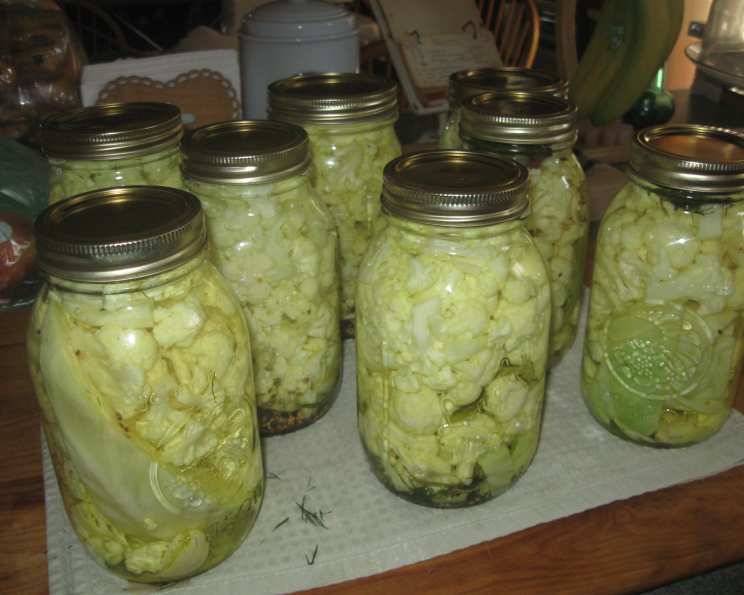
Armenian Tourshi: A Symphony of Pickled Vegetables
The first time I tasted tourshi was at my grandmother’s house during the autumn harvest. Jars lined the basement shelves, glowing with a colorful mix of cauliflower, carrots, and green beans suspended in a vibrant brine. The sharp, tangy aroma of vinegar and dill filled the air, a promise of the crunchy, spicy delight to come. Each bite was an explosion of textures and flavors, a testament to the simple magic of preserving the season’s bounty. It wasn’t just a pickle; it was a taste of home, a connection to my heritage.
Recipe Overview
- Prep Time: 1 hour
- Total Time: 4-6 weeks (for pickling)
- Yields: 8 quarts
- Dietary Type: Vegan, Gluten-Free
Ingredients
- 2 large heads cauliflower, cut into florets
- 1 large head of cabbage, cut into wedges
- 1 lb carrots, peeled and sliced
- 1 lb green beans
- 1 head garlic, divided
- 16 large dill sprigs, divided
- 4 tablespoons whole mixed pickling spices, divided
- Brine
- 3 quarts water
- 1 quart white vinegar
- 1 cup kosher salt
- 1 teaspoon turmeric
- Optional: Hot peppers, to taste
Equipment Needed
- 8 large-mouth quart jars and lids
- Large pot for boiling brine
- Wooden spoon
Instructions
-
Begin by sterilizing eight large-mouth quart jars and their corresponding lids. This is crucial for preventing unwanted bacteria growth during the pickling process. You can sterilize them by boiling them in water for 10 minutes or running them through a sterilization cycle in your dishwasher.
-
Prepare the vegetables. Thoroughly wash all the vegetables. Cut the cauliflower into florets, the cabbage into wedges, peel and slice the carrots, and trim the green beans. This is also the time to prepare your garlic, separating the cloves.
-
Divide the prepared vegetables among the sterilized quart jars. Pack the jars tightly with the vegetables, paying attention to the arrangement. Nestling carrots and green beans into the corners can maximize space. Use a wooden spoon to press down firmly on the vegetables, creating a compact arrangement.
-
Add flavor enhancers to each jar. To each jar, add two sprigs of dill, two cloves of garlic, and one or more teaspoons of pickling spice to your preference. I typically use about 1 1/2 teaspoons per jar. If you enjoy spicy pickles, add one or more hot peppers to each jar. Consider the size and heat level of the peppers when deciding how many to include.
-
Prepare the brine. In a large pot, combine 3 quarts of water, 1 quart of white vinegar, 1 cup of kosher salt, and 1 teaspoon of turmeric.
-
Boil the brine. Bring the brine mixture to a rolling boil over high heat, stirring until the salt is completely dissolved. The turmeric will add a subtle color and earthy flavor to the brine.
-
Pour the hot brine into each jar, filling it to the top, leaving about ½ inch of headspace. Use a ladle to carefully pour the hot brine over the vegetables in each jar. Ensure that all the vegetables are submerged in the brine.
-
Seal the jars. Wipe the rim of each jar with a clean, damp cloth to remove any spills or debris. Place the sterilized lids on top of the jars and screw on the bands until they are fingertip tight – not too loose, not too tight.
-
Process the jars (optional, but recommended for shelf stability). If you want to ensure the pickles are shelf-stable for longer storage, process the jars in a boiling water bath for 10 minutes. Ensure the jars are fully submerged in boiling water.
-
Cool and store. Allow the jars to cool completely at room temperature. As the jars cool, you should hear a “pop” sound, indicating that the jars have properly sealed. Store the jars in a cool, dry place for four to six weeks before opening and enjoying. This allows the flavors to fully develop and the pickling process to complete.
Expert Tips & Tricks
- Vegetable Crunch: I prefer using raw vegetables for a crispier pickle. If you prefer a softer pickle, you can blanch the vegetables briefly in boiling water before packing them into the jars.
- Spice Level: Adjust the amount of pickling spice and hot peppers to suit your taste. Experiment with different varieties of peppers for varying levels of heat.
- Brine Adjustment: Taste the brine before pouring it over the vegetables. If it’s too salty, add a bit more water. If it’s not salty enough, add a bit more salt, but remember that the pickling process itself mellows out the saltiness over time.
- Jar Sealing: If any of the jars do not seal properly (the lid does not pull down and stay down), refrigerate those jars and consume the pickles within a few weeks.
Serving & Storage Suggestions
Armenian tourshi is a versatile condiment that can be served in many ways. It’s a perfect accompaniment to grilled meats, sandwiches, or as part of a meze platter. Serve it chilled or at room temperature. Once opened, store the pickles in the refrigerator. Properly sealed and stored jars can last for up to a year. Opened jars should be consumed within a few months for best quality.
Nutritional Information
| Nutrient | Amount per Serving | % Daily Value |
|---|---|---|
| Calories | 33 kcal | 2% |
| Total Fat | 0.2 g | 0% |
| Saturated Fat | 0.1 g | 0% |
| Cholesterol | 0 mg | 0% |
| Sodium | 3568 mg | 149% |
| Total Carbohydrate | 6 g | 2% |
| Dietary Fiber | 2 g | 7% |
| Sugars | 2 g | 4% |
| Protein | 1 g | 2% |
Note: Nutritional information is an estimate and may vary based on specific ingredients and serving size.
Variations & Substitutions
- Different Vegetables: Feel free to experiment with other vegetables like bell peppers, okra, or even pearl onions.
- Vinegar Variations: While white vinegar is traditional, you can use apple cider vinegar for a slightly sweeter and milder flavor.
- Spice Blend: Create your own pickling spice blend using ingredients like mustard seeds, coriander seeds, black peppercorns, bay leaves, and cloves.
- Sweet Pickles: For a sweeter pickle, add a bit of sugar to the brine. Start with 1/4 cup and adjust to taste.
FAQs (Frequently Asked Questions)
Q: Why is it important to sterilize the jars and lids?
A: Sterilizing the jars and lids eliminates harmful bacteria that could cause spoilage and prevent the pickles from properly preserving.
Q: How long do I need to wait before eating the pickles?
A: It’s best to wait at least four to six weeks to allow the flavors to fully develop and the pickling process to complete.
Q: Can I use table salt instead of kosher salt?
A: Kosher salt is preferred because it doesn’t contain iodine or anti-caking agents, which can cloud the brine and affect the flavor of the pickles. However, if you must use table salt, reduce the amount slightly as it is more concentrated.
Q: What if the brine doesn’t completely cover the vegetables?
A: It’s important to ensure the vegetables are fully submerged in the brine to prevent spoilage. You can add a small weight (like a smaller sterilized jar filled with water) to the top of the vegetables to keep them submerged.
Q: How can I tell if a jar has sealed properly?
A: After processing and cooling, the lid should be concave and not move when pressed. If you press down on the center of the lid, it should not pop back up. If the lid is still flexible, the jar did not seal properly and should be refrigerated and consumed within a few weeks.
Final Thoughts
Making Armenian tourshi is a rewarding experience that connects you to a rich culinary tradition. Don’t be intimidated by the process; it’s simpler than you might think. Gather your vegetables, prepare your brine, and enjoy the satisfaction of creating your own homemade pickles. Share your creations with friends and family and let them experience the delicious flavors of this timeless preserve. Bari Akhorzhak! (Bon appétit!)