
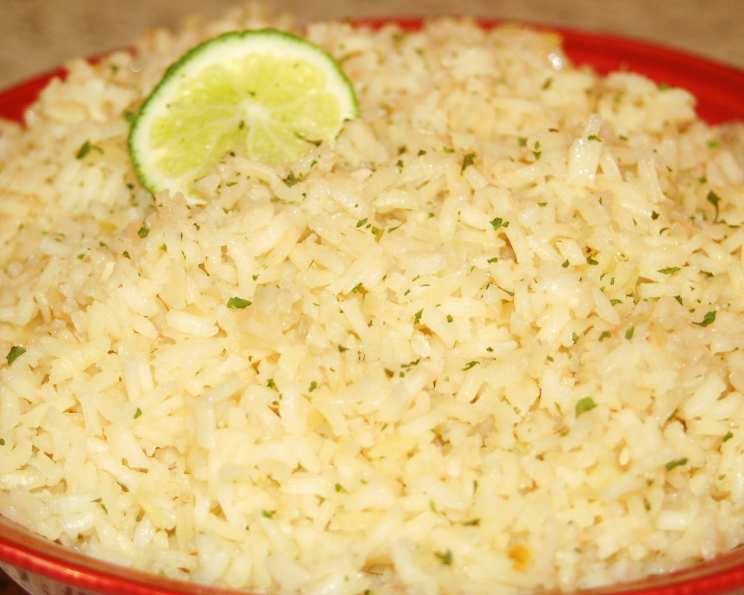
The Humble Perfection of Arroz Blanco: A Taste of Abuela’s Kitchen
I can still remember the feeling of my abuela’s kitchen – the warm, comforting smell of simmering beans, the rhythmic thwack of tortillas being pressed, and always, always, a pot of glistening white rice on the stove. It wasn’t the showy, tomato-infused rice often found in restaurants; it was Arroz Blanco, simple, elegant, and a blank canvas for the vibrant flavors of Mexican cuisine. Every grain, perfectly cooked and subtly seasoned, soaked up the juices of her stews and the fiery kick of her salsas. This unassuming dish was the silent backbone of countless family meals, a testament to the power of simple ingredients and time-honored techniques.
Recipe Overview
- Prep Time: 10 minutes
- Cook Time: 20 minutes
- Total Time: 30 minutes
- Servings: 5-6
- Yield: 5 cups
- Dietary Type: Gluten-Free
Ingredients
- 2 1/2 cups chicken broth or 2 1/2 cups water
- Salt
- 2 tablespoons vegetable oil or 2 tablespoons olive oil
- 1 1/2 cups white rice, preferably medium-grain
- 1 small white onion, chopped
- 2 garlic cloves, peeled and finely chopped
- 1 tablespoon fresh lime juice
- 3 tablespoons roughly chopped fresh flat-leaf parsley, for garnish
Equipment Needed
- Small saucepan
- Microwave oven (optional)
- Medium (3-quart) saucepan with a tight-fitting lid
- Fork
Instructions
-
Begin by gently heating your chosen liquid – either the chicken broth or water – in a small saucepan or even the microwave until it reaches a steaming point. This ensures a consistent cooking temperature for the rice later on.
-
Now, season your heated liquid with salt. If you’re using salted broth, add about 3/4 teaspoon. If you’re using unsalted broth or water, increase the amount to 1 1/2 teaspoons. Stir to dissolve the salt completely and then keep the broth warm.
-
Next, select a medium-sized saucepan – about 3-quart capacity – with a tight-fitting lid. This lid is crucial for trapping the steam and cooking the rice evenly. Place the saucepan over medium heat and add the vegetable oil or olive oil. Allow the oil to heat up.
-
Once the oil is hot, add the raw rice and the chopped onion. Stir regularly, ensuring the rice grains are coated in the oil. Continue stirring until the rice grains transition from a translucent appearance to a milky-white color, which should take approximately 4-5 minutes. This toasting process is key to developing the nutty flavor and preventing the rice from becoming mushy.
-
Add the finely chopped garlic to the saucepan and stir for just a few seconds, until you can smell its fragrant aroma. Be careful not to burn the garlic, as this will impart a bitter taste to the rice.
-
Pour the warm broth or water into the saucepan, along with the lime juice. Stir thoroughly to combine all the ingredients, making sure to scrape any rice grains that may be clinging to the sides of the pan.
-
Cover the saucepan tightly with the lid and reduce the heat to the lowest possible setting. The heat should be gentle enough that only the slightest hint of steam escapes from under the lid. Cook the rice for 15 minutes. Do not lift the lid during this time, as this will release the steam and affect the cooking process.
-
After 15 minutes, remove the saucepan from the heat and allow it to stand, still covered, for an additional 5 minutes. This resting period allows the rice to fully absorb the remaining moisture and achieve the perfect texture.
-
Uncover the saucepan and test a grain of rice to check for doneness. If the rice is still a little hard, re-cover the pan and set it over low heat for about 5 more minutes. If the rice has absorbed all the liquid and appears completely dry, sprinkle on 2 tablespoons of water before returning it to the heat.
-
Once the rice is cooked through, sprinkle on the chopped parsley and gently fluff it with a fork. This helps to release any remaining steam and stops the cooking process, preventing the rice from becoming overcooked. Serve immediately and enjoy!
Expert Tips & Tricks
- Toasting is key: Don’t rush the toasting process. This is where the rice develops its distinctive flavor and prevents stickiness. Keep stirring to ensure even toasting.
- Perfect liquid ratio: Too much liquid results in mushy rice; too little, and it will be undercooked. Measure carefully.
- Low and slow: Cooking the rice at the lowest possible heat ensures even cooking and prevents scorching.
- Resting is essential: Don’t skip the resting period. It allows the rice to fully absorb the moisture and achieve the perfect texture.
- Fluff it up: Always fluff the rice with a fork before serving. This separates the grains and prevents clumping.
- Make it ahead: You can cook the rice ahead of time and reheat it gently with a tablespoon or two of water.
Serving & Storage Suggestions
Arroz Blanco is a versatile side dish that pairs perfectly with a wide range of Mexican dishes, from hearty stews and enchiladas to grilled meats and vibrant salsas. Its neutral flavor profile complements almost anything.
To store leftover Arroz Blanco, allow it to cool completely before transferring it to an airtight container. It can be stored in the refrigerator for up to 4 days. To reheat, simply microwave it with a tablespoon or two of water, or gently heat it in a saucepan over low heat, stirring occasionally. You can also freeze cooked rice for up to 2 months. Thaw it overnight in the refrigerator before reheating.
Nutritional Information
| Nutrient | Amount per Serving | % Daily Value |
|---|---|---|
| Calories | 282 kcal | N/A |
| Total Fat | 6.5g | 9% |
| Saturated Fat | 1g | 4% |
| Cholesterol | 0mg | 0% |
| Sodium | 379mg | 15% |
| Total Carbohydrate | 48g | 15% |
| Dietary Fiber | 1.9g | 7% |
| Sugars | 1g | N/A |
| Protein | 6.5g | 13% |
Note: Nutritional information is an estimate and may vary based on specific ingredients and cooking methods.
Variations & Substitutions
- Brown Rice Arroz Blanco: Substitute brown rice for white rice, but increase the cooking time and liquid amount. You’ll likely need around 3 cups of liquid and 45-50 minutes of cooking time.
- Vegetable Infusion: Sauté finely diced carrots, celery, or bell peppers with the onion for added flavor and nutrients.
- Herb Variations: Experiment with different herbs, such as cilantro, oregano, or epazote, in place of or in addition to the parsley.
- Spicy Kick: Add a pinch of chili flakes or a finely chopped jalapeño pepper to the rice while it’s cooking.
- Broth Boost: Use a flavorful homemade chicken or vegetable broth for an even richer taste.
- Lemon Zest: Add a teaspoon of lemon zest along with the lime juice for a bright, citrusy flavor.
FAQs (Frequently Asked Questions)
Q: Can I use long-grain rice instead of medium-grain rice?
A: Yes, you can use long-grain rice, but the texture will be slightly different. Medium-grain rice tends to be a bit stickier and more absorbent. Adjust the liquid slightly if needed.
Q: My rice always comes out mushy. What am I doing wrong?
A: Overcooking or using too much liquid are the most common causes of mushy rice. Ensure you’re using the correct liquid ratio and cooking the rice at the lowest possible heat. Avoid lifting the lid during cooking.
Q: Can I make this recipe in a rice cooker?
A: Yes, you can adapt this recipe for a rice cooker. Follow the manufacturer’s instructions for cooking white rice, using the same ingredient ratios.
Q: How do I prevent the rice from sticking to the bottom of the pan?
A: Using a heavy-bottomed saucepan and cooking the rice at low heat will help prevent sticking. Also, make sure to stir the rice thoroughly after adding the liquid.
Q: Can I add other vegetables to the rice?
A: Absolutely! Feel free to add finely chopped vegetables like carrots, peas, or corn along with the onion. Just adjust the cooking time slightly if necessary.
Final Thoughts
There’s a quiet beauty in the simplicity of Arroz Blanco. It’s a dish that transcends trends and speaks to the heart of Mexican home cooking. I encourage you to try this recipe and experience the subtle flavors and comforting texture for yourself. Don’t be afraid to experiment with variations and make it your own. And most importantly, share it with those you love, just as my abuela did. Perhaps pair it with some freshly made refried beans and your favorite salsa. Enjoy!