
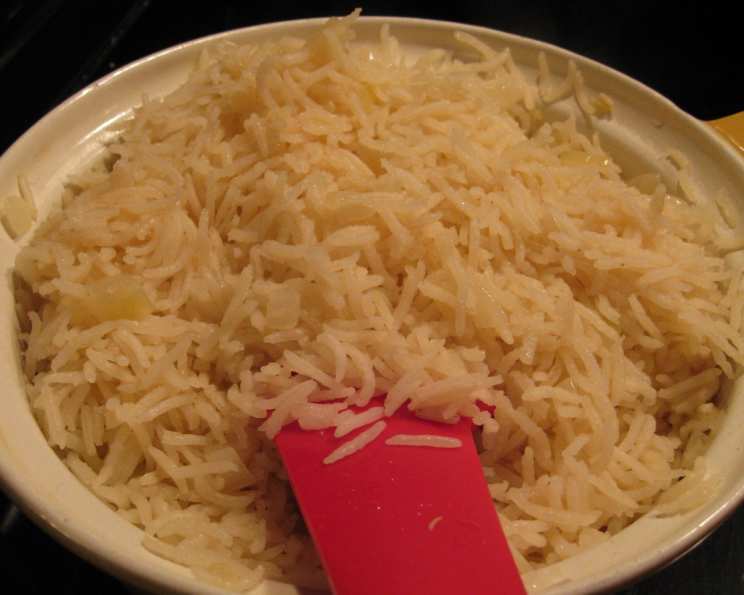
Perfectly Simple Arroz Blanco: A Culinary Foundation
The aroma of perfectly cooked white rice, or arroz blanco, transports me back to my grandmother’s kitchen. I can almost see her now, a whirlwind of purposeful motion, humming softly as she meticulously measured each grain. To her, arroz blanco wasn’t just a side dish; it was the cornerstone of countless family meals, the humble canvas upon which vibrant flavors would be painted, and the comfort that anchored us all. It was from her that I learned that simplicity, when executed flawlessly, is a culinary art form in itself.
Recipe Overview
- Prep Time: 5 minutes
- Cook Time: 15 minutes
- Total Time: 20 minutes
- Servings: 6
- Yield: Approximately 3 cups
- Dietary Type: Vegan, Gluten-Free, Dairy-Free
Ingredients
- 1 tablespoon butter or 1 tablespoon olive oil
- ½ cup white onion, minced
- 2 garlic cloves, minced
- 1 cup long grain white rice
- 2 cups vegetable broth
Equipment Needed
- Medium saucepan with a lid
- Measuring cups and spoons
- Fork
Instructions
-
In a medium saucepan, heat the butter or olive oil over medium heat. Ensure the fat is melted and shimmering, but not smoking hot.
-
Add the minced white onion and minced garlic cloves to the saucepan. Cook, stirring occasionally, until the onions become translucent and softened, about 3-5 minutes. This process, called sautéing, releases the onions’ natural sweetness and mellows the garlic’s pungency. Be careful not to burn the garlic, as it will become bitter.
-
Add the long grain white rice to the saucepan and stir it into the onion and garlic mixture. This step is important as it lightly toasts the rice grains, contributing to a nuttier flavor and helping them absorb the broth evenly during cooking. Stir for about 1 minute, ensuring all the rice is coated with the oil and aromatics.
-
Pour in the vegetable broth. Bring the mixture to a boil over medium-high heat. Keep a close eye on the pot, as it can boil over quickly.
-
Once boiling, give the rice a quick stir, then reduce the heat to low. Cover the saucepan tightly with a lid.
-
Simmer for 15 minutes, or until the rice is tender and all the liquid has been absorbed. Avoid lifting the lid during the cooking process, as this will release steam and prolong the cooking time. Trust the process; the rice is gently steaming to perfection.
-
After 15 minutes, remove the saucepan from the heat and let it stand, covered, for 5 minutes. This allows the rice to fully absorb any remaining moisture and prevents it from becoming sticky.
-
Finally, fluff the rice with a fork to separate the grains and release any trapped steam. This step is crucial for achieving that light and airy texture that characterizes perfect arroz blanco.
Expert Tips & Tricks
- Rinsing the Rice: For even fluffier rice, rinse the raw rice under cold water before cooking until the water runs clear. This removes excess starch that can cause the rice to become sticky.
- Broth Temperature: Using warm vegetable broth can help the rice cook more evenly.
- Stovetop vs. Rice Cooker: While this recipe is designed for the stovetop, you can adapt it for a rice cooker. Simply follow the manufacturer’s instructions, using the same ingredient ratios. Many modern rice cookers have a “white rice” setting that simplifies the process.
- Flavor Infusion: Consider adding a bay leaf or a sprig of thyme to the pot while the rice is simmering to infuse it with subtle herbal notes. Remove before serving.
- Avoiding Stickiness: If your rice tends to be sticky, try adding a teaspoon of lemon juice or white vinegar to the cooking liquid. The acidity helps prevent the starch from binding together.
- Overcooked Rice: If you accidentally overcook the rice and it becomes mushy, try spreading it out on a baking sheet and baking it in a low oven (around 200°F or 93°C) for about 15 minutes to dry it out.
Serving & Storage Suggestions
Arroz blanco is incredibly versatile and complements a wide range of dishes. Serve it as a side dish with beans, stews, grilled meats, or roasted vegetables. It’s also a fantastic base for stir-fries or grain bowls. For an elegant presentation, mold the rice into a dome using a small bowl or ramekin. Garnish with fresh herbs, such as cilantro or parsley, for a pop of color.
Leftover arroz blanco can be stored in an airtight container in the refrigerator for up to 4 days. To reheat, add a splash of water or broth to the rice and microwave it for a minute or two, stirring occasionally, until heated through. You can also reheat it on the stovetop over low heat. For longer storage, freeze the rice in a freezer-safe container for up to 2 months. Thaw it overnight in the refrigerator before reheating.
Nutritional Information
| Nutrient | Amount per Serving | % Daily Value |
|---|---|---|
| Calories | 137 kcal | 7% |
| Total Fat | 2 g | 3% |
| Saturated Fat | 0 g | 1% |
| Cholesterol | 0 mg | 0% |
| Sodium | 24 mg | 1% |
| Total Carbohydrate | 26 g | 9% |
| Dietary Fiber | 1 g | 4% |
| Sugars | 1 g | 0% |
| Protein | 2 g | 4% |
Note: Nutritional information is an estimate and may vary based on specific ingredients and portion sizes.
Variations & Substitutions
- Brown Rice: Substitute long-grain brown rice for white rice for a nuttier flavor and higher fiber content. Note that brown rice requires a longer cooking time (about 45-50 minutes) and more liquid (about 2 ½ cups of broth per cup of rice).
- Jasmine or Basmati Rice: Use jasmine or basmati rice for a more fragrant and aromatic dish.
- Coconut Milk: Replace some or all of the vegetable broth with coconut milk for a richer, more flavorful arroz blanco with a subtle sweetness.
- Spice It Up: Add a pinch of red pepper flakes or a chopped jalapeño to the pot while cooking for a touch of heat.
- Herbaceous: Incorporate fresh herbs like cilantro, parsley, or chives after cooking for added freshness and flavor.
- Saffron Rice: Infuse the rice with saffron threads for a vibrant yellow color and a delicate, floral flavor. Soak a pinch of saffron threads in a tablespoon of warm water for 15 minutes, then add the saffron-infused water to the pot along with the broth.
FAQs (Frequently Asked Questions)
Q: Can I use chicken broth instead of vegetable broth?
A: Yes, chicken broth can be used for a richer flavor. However, using vegetable broth keeps the recipe vegan.
Q: How do I know when the rice is done?
A: The rice is done when all the liquid has been absorbed and the grains are tender. You can test a few grains with a fork to ensure they are cooked through.
Q: What if I don’t have white onion? Can I use another type?
A: Yellow onion is a good substitute for white onion in this recipe. The flavor difference is minimal.
Q: My rice is always mushy. What am I doing wrong?
A: Overcooking or using too much liquid are the most common causes of mushy rice. Ensure you’re using the correct ratio of rice to liquid and avoid lifting the lid during cooking.
Q: Can I make this ahead of time?
A: Yes, you can cook the rice ahead of time and store it in the refrigerator for up to 4 days. Reheat as needed.
Final Thoughts
Arroz Blanco, at its heart, is about simple ingredients treated with care. It’s a blank slate ready to be transformed into something spectacular, a culinary chameleon adapting to any cuisine or flavor profile. I urge you to try this recipe and experience the satisfying simplicity of perfectly cooked rice. Don’t be afraid to experiment with variations and substitutions to make it your own. And, most importantly, share it with loved ones – because good food is always best enjoyed in good company. I’d love to hear about your experience and any unique twists you add to this classic dish. Bon appétit!