
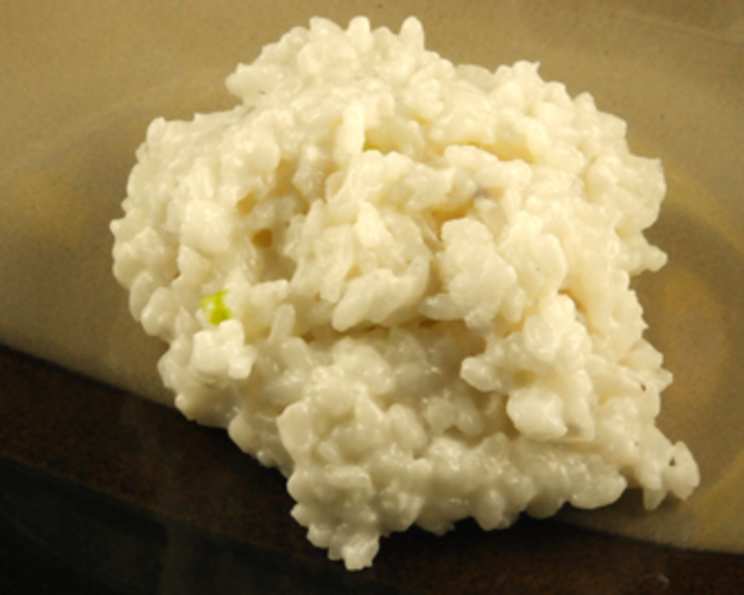
Arroz Con Queso: A Taste of Bolivian Comfort
The first time I tasted Arroz Con Queso, I was nestled in a small, sun-drenched comedor in Sucre, Bolivia. The air hummed with the sounds of Quechua chatter and the tantalizing aroma of simmering spices. A kind abuela, her face etched with years of wisdom, placed a steaming bowl before me. It wasn’t fancy, just simple, creamy rice studded with melting cheese. But that first bite…the subtle sweetness of the rice, the salty tang of the queso fresco, the comforting warmth…it was pure magic. It was more than just a side dish; it was a hug in a bowl, a taste of Bolivian hospitality I’ll never forget. It instantly became my go-to comfort food!
Recipe Overview
- Prep Time: 5 minutes
- Cook Time: 25 minutes
- Total Time: 30 minutes
- Servings: 4-6
- Yield: About 6 cups
- Dietary Type: Vegetarian
Ingredients
- 2 cups short-grain rice (sushi rice works well)
- 1 1/2 cups crumbled queso fresco (kolla cheese is traditional)
- 1 teaspoon garlic, minced
- 1 tablespoon red onion, minced
- 1 cup milk
- 6 cups water
- Salt, to taste
- Oil, for sautéing (a neutral oil like vegetable or canola oil)
Equipment Needed
- Large pot or saucepan
- Small skillet or pan
- Wooden spoon or spatula
Instructions
-
Begin by bringing the water to a boil in a large pot. Add salt to taste (remembering that the queso fresco is also salty, so start with less and adjust later).
-
Once the water is boiling, add the rice. Keep the pot uncovered and maintain a boil until almost all of the water has been absorbed or cooked off. The rice should still be quite wet, but without any standing pools of water. It should not be fluffy at this stage. This usually takes about 15-20 minutes. It’s important to monitor the rice closely, stirring occasionally to prevent sticking.
-
While the rice is cooking, prepare the aromatics. In a small skillet or pan, heat a small amount of oil over medium heat. Add the minced garlic and red onion. Sauté them for about 4-5 minutes, stirring frequently, until they are softened and fragrant but not browned. Browning the garlic will give it a bitter taste.
-
In a separate saucepan (or the same one after removing the garlic and onion), bring the milk to a boil. This step requires your full attention, as milk scalds easily. Keep a close eye on it and stir frequently to prevent it from sticking to the bottom of the pan and burning.
-
Once the rice is nearly ready (most of the water absorbed, but still wet), add the boiled milk, the sautéed garlic and onion mixture, and the crumbled queso fresco to the pot.
-
Reduce the heat to low and cook, stirring constantly, until all the cheese has melted and the rice has reached a creamy consistency. This should take about 3-5 minutes. Be careful not to overcook, as the rice can become mushy. Taste and add more salt if needed. Remember that the cheese will add saltiness as it melts.
-
Serve immediately.
Expert Tips & Tricks
-
Cheese Choice: While queso fresco is a readily available substitute for kolla cheese, the slight saltiness and firmer texture of kolla can enhance the dish’s flavor and consistency. If you can find it at a Latin American market, it’s worth trying. If using queso fresco, drain off any excess water before crumbling it into the rice.
-
Rice Consistency: The key to perfect Arroz Con Queso is achieving the right rice consistency. The rice should be cooked through but still slightly wet and creamy, not dry and fluffy.
-
Milk Temperature: Warming the milk before adding it to the rice helps to prevent the rice from cooling down too much and speeds up the melting process of the cheese.
-
Don’t Overcook: Be mindful not to overcook the rice after adding the cheese and milk, as this can result in a mushy texture. Keep stirring gently until the cheese is melted and the dish is heated through.
-
Flavor Infusion: For a deeper flavor, consider infusing the milk with herbs or spices before adding it to the rice. A bay leaf or a sprig of thyme can add a subtle but noticeable depth. Remove them before adding the milk to the rice.
-
Make Ahead Prep: You can sauté the garlic and onions ahead of time and store them in the refrigerator until ready to use. This saves time when you are ready to cook the rice.
-
Fixing Salty Arroz Con Queso: If you accidentally oversalt the dish, adding a squeeze of lemon juice or a dollop of sour cream can help balance the flavors.
Serving & Storage Suggestions
Arroz Con Queso is traditionally served as a side dish alongside grilled meats, poultry, or vegetables. It also makes a delicious vegetarian main course. Garnish with a sprinkle of fresh cilantro or a drizzle of olive oil for an extra touch of flavor and presentation.
Leftovers can be stored in an airtight container in the refrigerator for up to 3 days. To reheat, add a splash of milk or water to the rice and microwave until heated through, stirring occasionally. Alternatively, you can reheat it in a saucepan over low heat, stirring constantly. Freezing is not recommended, as the texture of the rice and cheese may change upon thawing.
Nutritional Information
(Approximate values per serving, based on 6 servings):
| Nutrient | Amount per Serving | % Daily Value |
|---|---|---|
| Calories | 399 kcal | 20% |
| Total Fat | 13 g | 17% |
| Saturated Fat | 8 g | 40% |
| Cholesterol | 30 mg | 10% |
| Sodium | 250 mg | 11% |
| Total Carbohydrate | 58 g | 21% |
| Dietary Fiber | 2 g | 7% |
| Sugars | 2 g | 4% |
| Protein | 11 g | 22% |
Variations & Substitutions
-
Spicy Arroz Con Queso: Add a pinch of cayenne pepper or a finely chopped chili pepper to the garlic and onion mixture for a spicy kick.
-
Vegetable Arroz Con Queso: Incorporate diced vegetables such as carrots, peas, or corn to add color and nutrients to the dish. Sauté the vegetables with the garlic and onion before adding them to the rice.
-
Herbaceous Arroz Con Queso: Stir in chopped fresh herbs such as cilantro, parsley, or chives at the end of cooking for a burst of flavor.
-
Vegan Arroz Con Queso: Substitute the queso fresco with a vegan cheese alternative and the milk with a plant-based milk such as almond, soy, or oat milk. Be mindful that the flavor and texture may differ slightly.
-
Different Rice: While short-grain rice is traditional, you could experiment with other types of rice such as medium-grain or long-grain rice. The cooking time and water ratio may need to be adjusted accordingly.
FAQs (Frequently Asked Questions)
Q: Can I use pre-shredded cheese instead of crumbling queso fresco?
A: While pre-shredded cheese can be used, queso fresco has a unique flavor and texture that is essential to the dish. Crumbling it yourself ensures a better melt and flavor.
Q: How do I prevent the rice from sticking to the bottom of the pot?
A: Stir the rice frequently while it’s cooking, especially towards the end when most of the water has been absorbed. Using a heavy-bottomed pot can also help prevent sticking.
Q: Can I make this dish ahead of time?
A: While Arroz Con Queso is best served fresh, you can prepare the garlic and onion mixture in advance. Store it in the refrigerator until ready to use.
Q: Is there a way to make this dish lower in fat?
A: Use low-fat milk and a reduced-fat queso fresco alternative. You can also sauté the garlic and onions in a minimal amount of oil or even water.
Q: What can I serve with Arroz Con Queso?
A: Arroz Con Queso is a versatile side dish that pairs well with a variety of main courses, such as grilled meats, chicken, fish, or vegetarian dishes.
Final Thoughts
Arroz Con Queso is more than just rice and cheese; it’s a taste of Bolivian culture and a symbol of comfort and hospitality. This simple yet flavorful dish is sure to become a family favorite. Don’t be afraid to experiment with different variations and substitutions to create your own unique version. Whether you’re looking for a quick and easy side dish or a comforting vegetarian meal, Arroz Con Queso is a delicious and satisfying option. So, grab your ingredients, put on some Andean music, and let the flavors of Bolivia transport you to the heart of South America. Enjoy!