
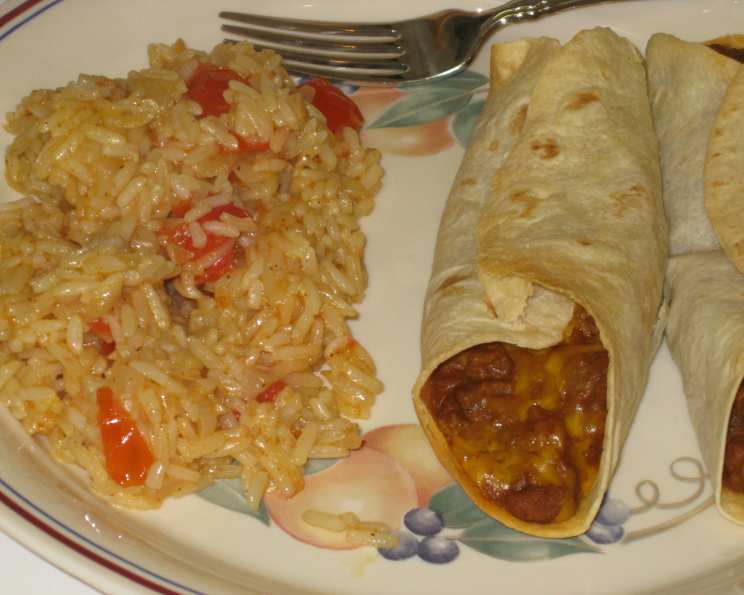
A Taste of Tex-Mex: Mastering Arroz Pilaf
The aroma of chili powder and sautéed garlic always takes me back to my college days. My roommate, a Texan through and through, swore by this Arroz Pilaf recipe. We’d whip up a batch almost weekly, the savory rice a perfect counterpoint to our often-adventurous (and sometimes disastrous) attempts at homemade enchiladas. The simplicity of the dish, combined with its vibrant flavor, made it a comforting staple, a culinary anchor in the chaos of dorm life. It’s amazing how a simple side dish can evoke such strong memories.
Recipe Overview
- Prep Time: 10 minutes
- Cook Time: 25 minutes
- Total Time: 35 minutes
- Servings: 4
- Dietary Type: Gluten-Free
Ingredients
- 2 tablespoons oil
- 2 garlic cloves, minced
- 1 medium onion, chopped fine
- 1 cup uncooked rice
- 2 small roma tomatoes, chopped
- 2 teaspoons chili powder (Gebhardt’s is great)
- 2 cups beef stock or 2 cups chicken stock
- ¾ teaspoon salt (or to taste)
Equipment Needed
- Medium saucepan with lid
Instructions
- In a medium saucepan, heat the oil (peanut oil works well, but any neutral oil will do).
- Sauté the onion and garlic over medium heat until they are soft and translucent, about 5 minutes. Be careful not to burn the garlic, as it can turn bitter. Stir frequently.
- Add the uncooked rice, chopped tomatoes, and chili powder to the saucepan. Sauté for another couple of minutes, stirring constantly to ensure the rice is well coated with the oil and spices. This step is crucial for developing the flavor of the pilaf.
- Pour in the stock (either beef or chicken, depending on your preference). Sprinkle with salt, starting with the recommended amount and adjusting to taste later.
- Bring the mixture to a boil over medium-high heat. Once boiling, immediately reduce the heat to low, cover the pan tightly with a lid, and simmer the rice for 15-18 minutes, or until all the liquid has been absorbed. Avoid lifting the lid during this time, as it releases steam and can affect the cooking time.
- Remove the saucepan from the heat and let the rice steam, covered, for an additional 5-10 minutes. This allows the rice to finish cooking and become perfectly fluffy.
- Fluff the rice with a fork before serving. This will separate the grains and prevent them from clumping together. Serve hot with your favorite Tex-Mex dishes.
Expert Tips & Tricks
- Toasting the Rice: Toasting the rice in the oil before adding the liquid enhances its nutty flavor and helps prevent it from becoming mushy. Sauté for a few extra minutes, stirring constantly, until the rice is lightly golden.
- Liquid Ratio: The correct ratio of liquid to rice is essential for perfect pilaf. Too much liquid will result in soggy rice, while too little will leave it undercooked. If necessary, add a splash more stock during the simmering process if the rice seems dry.
- Chili Powder Selection: The type of chili powder you use will greatly impact the flavor of the pilaf. Gebhardt’s is a classic choice for Tex-Mex dishes, known for its rich, complex flavor. If you can’t find Gebhardt’s, look for a chili powder that contains a blend of dried chiles, cumin, and other spices.
- Make-Ahead Tip: This Arroz Pilaf can be made ahead of time and reheated. Prepare the pilaf as directed, then let it cool completely. Store it in an airtight container in the refrigerator for up to 2 days. To reheat, place the pilaf in a baking dish, add a splash of stock to prevent it from drying out, cover with foil, and bake at 350°F (175°C) until heated through.
- Flavor Boost: For a richer flavor, try adding a bay leaf to the saucepan while the rice simmers. Remove the bay leaf before serving.
Serving & Storage Suggestions
Arroz Pilaf is a versatile side dish that pairs perfectly with a wide range of Tex-Mex dishes, including grilled meats, burritos, enchiladas, tacos, and stews. Garnish with fresh cilantro or a squeeze of lime juice for a bright, fresh finish.
Leftover Arroz Pilaf should be stored in an airtight container in the refrigerator. It will keep for up to 3 days. To reheat, microwave individual portions or heat in a skillet over medium heat with a little water or stock.
Arroz Pilaf can also be frozen for longer storage. Place cooled pilaf in a freezer-safe container and freeze for up to 2 months. Thaw overnight in the refrigerator before reheating.
Nutritional Information
| Nutrient | Amount per Serving | % Daily Value |
|---|---|---|
| Calories | 266.9 kcal | N/A |
| Calories from Fat | N/A | 26% |
| Total Fat | 7.7 g | 11% |
| Saturated Fat | 1.3 g | 6% |
| Cholesterol | 0 mg | 0% |
| Sodium | 843.3 mg | 35% |
| Total Carbohydrate | 43.8 g | 14% |
| Dietary Fiber | 1.9 g | 7% |
| Sugars | 2 g | 8% |
| Protein | 5.3 g | 10% |
Variations & Substitutions
- Vegetarian Arroz Pilaf: Use vegetable stock instead of beef or chicken stock for a vegetarian version.
- Spicy Arroz Pilaf: Add a pinch of cayenne pepper or a chopped jalapeño to the saucepan along with the chili powder for a spicier kick.
- Arroz Verde (Green Rice): Blend cilantro, parsley, and spinach with a little water or stock and add it to the rice along with the stock for a vibrant green pilaf.
- Arroz con Elote (Rice with Corn): Add a cup of frozen or canned corn to the saucepan during the last 5 minutes of simmering.
- Brown Rice Pilaf: Substitute brown rice for white rice, but be sure to adjust the cooking time and liquid accordingly. Brown rice typically requires more liquid and a longer cooking time.
FAQs (Frequently Asked Questions)
Q: Can I use a different type of rice?
A: Yes, you can substitute other types of rice, such as long-grain, basmati, or jasmine rice. However, you may need to adjust the cooking time and liquid ratio depending on the type of rice you use.
Q: How do I prevent the rice from sticking to the bottom of the pan?
A: Make sure the heat is low and the pan is covered tightly. Avoid lifting the lid during the simmering process. Using a heavy-bottomed saucepan can also help prevent sticking.
Q: What if I don’t have roma tomatoes?
A: You can use any type of tomato, such as diced tomatoes or canned crushed tomatoes. Just be sure to adjust the amount accordingly.
Q: Can I add other vegetables to the pilaf?
A: Absolutely! Feel free to add other vegetables, such as bell peppers, carrots, or peas. Add them to the saucepan along with the rice, tomatoes, and chili powder.
Q: How do I know when the rice is done?
A: The rice is done when all the liquid has been absorbed and the grains are tender. Fluff the rice with a fork to check for doneness. If the rice is still crunchy, add a splash more stock and continue simmering for a few more minutes.
Final Thoughts
Arroz Pilaf is a testament to the fact that simple ingredients, when combined with care and attention, can create a dish that is both flavorful and satisfying. This recipe, a cornerstone of Tex-Mex cuisine, is sure to become a favorite in your kitchen. Don’t be afraid to experiment with different variations and substitutions to make it your own. And most importantly, enjoy the process of creating a delicious and memorable meal. I encourage you to try it out, and let me know what you think – perhaps you’ll even discover a new favorite pairing!