
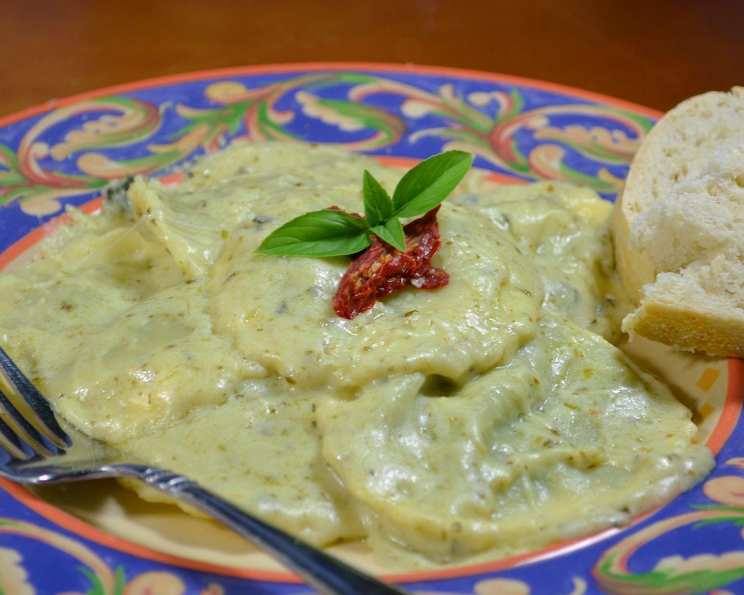
Luscious Asiago Cheese Sauce: A Culinary Embrace
The memory is etched in my mind – the aroma of melted cheese wafting through the air, a promise of warmth and comfort on a chilly autumn evening. My grandmother, Nonna Emilia, would always prepare this simple yet extraordinary cheese sauce to smother over homemade gnocchi. It wasn’t just the taste of the rich, nutty Asiago that captivated me, but the way it transformed a simple dish into an act of love, a culinary hug that transcended words. This recipe, adapted from a beloved, well-worn cookbook, aims to bring that same warmth to your table.
Recipe Overview
- Prep Time: 5 minutes
- Cook Time: 10 minutes
- Total Time: 15 minutes
- Servings: 4
- Yield: 2 cups
- Dietary Type: Vegetarian
Ingredients
- ¼ cup all-purpose flour
- 2 cups milk (1% or higher fat content recommended)
- 4 ounces grated Asiago cheese (about 1 cup)
- Chopped herbs of your choice, to taste (basil, parsley, thyme, etc., optional)
Equipment Needed
- Heavy saucepan
- Whisk
- Measuring cups and spoons
- Grater
Instructions
- Begin by removing the saucepan from the heat. Place the flour in the heavy saucepan. This crucial step ensures that the flour incorporates evenly with the milk without clumping.
- Gradually add the milk, whisking constantly until the flour and milk are thoroughly blended and smooth. It’s important to add the milk slowly, incorporating it bit by bit, to prevent lumps from forming. Don’t rush this process!
- Place the saucepan over medium heat and cook, whisking continuously, until the mixture thickens. This usually takes about 7 to 9 minutes. Constant whisking is essential to prevent the sauce from sticking to the bottom of the pan and scorching. You’ll know it’s ready when the sauce coats the back of a spoon.
- Remove the saucepan from the heat. Immediately add the grated Asiago cheese and stir until the cheese is completely melted and the sauce is smooth and creamy. Make sure all the cheese is incorporated, leaving no clumps.
- If desired, stir in the chopped herbs of your choice to taste. This adds a fresh, aromatic dimension to the sauce.
- Serve immediately over pasta, vegetables, or your favorite dishes.
Expert Tips & Tricks
- Cheese Quality Matters: Use high-quality Asiago cheese for the best flavor. Freshly grated Asiago is always preferable to pre-shredded, as it melts more smoothly. Look for Asiago d’Allevo (aged) for a more intense, nutty flavor.
- Preventing Lumps: The key to a smooth cheese sauce is to gradually incorporate the milk into the flour off the heat initially. Whisking vigorously also helps to prevent lumps. If lumps do form, you can try using an immersion blender to smooth out the sauce.
- Temperature Control: Keep the heat at medium to prevent scorching. If the sauce starts to bubble too rapidly, reduce the heat slightly. Constant stirring is essential.
- Flavor Boosters: Consider adding a pinch of nutmeg or a dash of white pepper for a subtle depth of flavor. A squeeze of lemon juice can also brighten the sauce.
- Make-Ahead Tip: You can prepare the sauce ahead of time and store it in the refrigerator for up to 2 days. Gently reheat it over low heat, whisking frequently, adding a splash of milk if necessary to thin it out.
Serving & Storage Suggestions
Serve this Asiago cheese sauce immediately over freshly cooked pasta, such as penne, fettuccine, or gnocchi. It’s also delicious over roasted vegetables like broccoli, asparagus, or cauliflower. For a more decadent experience, try it as a topping for baked potatoes or as a dipping sauce for crusty bread.
Leftover sauce can be stored in an airtight container in the refrigerator for up to 3 days. To reheat, gently warm it over low heat, stirring frequently. Add a splash of milk if needed to achieve the desired consistency. Avoid overheating, as this can cause the sauce to separate.
Freezing is not recommended, as the sauce may become grainy upon thawing.
Nutritional Information
| Nutrient | Amount per Serving | % Daily Value |
|---|---|---|
| Calories | 213 kcal | 11% |
| Total Fat | 12g | 18% |
| Saturated Fat | 7g | 35% |
| Cholesterol | 35mg | 12% |
| Sodium | 150mg | 7% |
| Total Carbohydrate | 12g | 4% |
| Dietary Fiber | 0g | 0% |
| Sugars | 8g | |
| Protein | 12g | 24% |
Nutritional information is an estimate and may vary based on specific ingredients and serving sizes.
Variations & Substitutions
- Gluten-Free: Use a gluten-free all-purpose flour blend in place of the regular flour. Ensure the blend contains xanthan gum or another binding agent.
- Dairy-Free (Difficult, but Possible): This sauce relies heavily on dairy for its flavor and texture. A very careful substitution of plant-based milk (cashew or oat milk work best for creaminess) and nutritional yeast (for a cheesy flavor) may yield a result, but it will significantly alter the final taste and texture. Experiment at your own risk!
- Cheese Variations: While Asiago is the star, you can experiment with other hard cheeses like Parmesan, Pecorino Romano, or a blend of different cheeses. Adjust the amount based on the intensity of the cheese.
- Herb Infusions: Infuse the milk with fresh herbs like rosemary or sage while heating for a deeper flavor profile. Remove the herbs before adding the cheese.
- Spicy Kick: Add a pinch of red pepper flakes to the sauce for a touch of heat.
FAQs (Frequently Asked Questions)
Q: Can I use pre-shredded cheese?
A: While you can, freshly grated cheese melts much more smoothly and contributes to a better overall texture. Pre-shredded cheese often contains cellulose, which can hinder melting.
Q: How do I fix a lumpy cheese sauce?
A: If your sauce is lumpy, try using an immersion blender to smooth it out. You can also strain the sauce through a fine-mesh sieve.
Q: Can I add other ingredients to the sauce?
A: Absolutely! Consider adding cooked bacon bits, sautéed mushrooms, or roasted garlic for added flavor.
Q: The sauce is too thick. How do I thin it out?
A: Gradually add more milk, a tablespoon at a time, until you reach the desired consistency. Whisk constantly while adding the milk.
Q: What if I don’t have Asiago cheese?
A: Parmesan cheese can be used as a substitute, although the flavor will be slightly different. You could also try a blend of Parmesan and another hard cheese like Pecorino Romano.
Final Thoughts
I truly hope this recipe brings as much joy to your kitchen as it has to mine over the years. From my Nonna’s table to yours, this Asiago cheese sauce is more than just a recipe; it’s an invitation to savor simple pleasures and create lasting memories. So, gather your ingredients, put on some music, and let the aroma of melted cheese fill your home. And please, don’t hesitate to share your creations and feedback – I’m always eager to hear how you’ve made this recipe your own! Perhaps pair it with a crisp Pinot Grigio or a hearty Italian red wine for the perfect culinary experience. Buon appetito!