
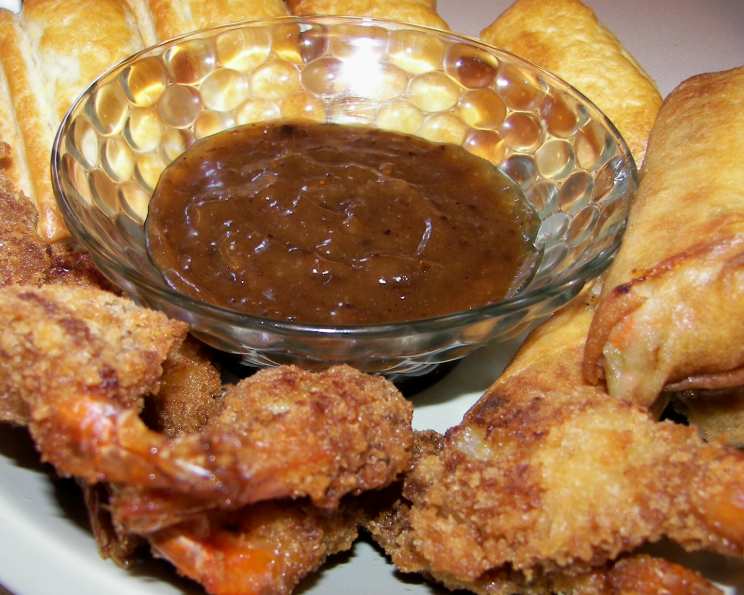
The Soul of Southeast Asia: Mastering the Art of Asian Dipping Sauce
I remember being a wide-eyed culinary student, utterly captivated by the vibrant tapestry of flavors at a bustling Bangkok street food market. The air hung thick with the aroma of grilling meats, exotic spices, and the tantalizing scent of dipping sauces. It was there, amidst the organized chaos, that I discovered the magic of a well-crafted Asian dipping sauce – a simple condiment capable of elevating any dish to new heights. The perfect balance of sweet, sour, salty, and spicy etched itself into my culinary memory, a benchmark I’ve strived to achieve ever since.
Recipe Overview
- Prep Time: 5 minutes
- Cook Time: 0 minutes
- Total Time: 5 minutes
- Servings: 20
- Yield: About 1 cup
- Dietary Type: Gluten-Free
Ingredients
- ¼ cup rice vinegar
- 2 tablespoons fish sauce
- 2 garlic cloves
- ¼ cup tamarind paste
- 2 Thai chiles
- 2 tablespoons palm sugar
- ½ cup canola oil
Equipment Needed
- Food processor or blender
Instructions
- Begin by prepping your aromatics. Peel and roughly chop the garlic cloves. Stem and roughly chop the Thai chiles. Remember to exercise caution when handling chiles, as the oils can irritate your skin.
- In the bowl of a food processor or blender, combine the rice vinegar, fish sauce, garlic cloves, tamarind paste, Thai chiles, and palm sugar.
- Process the mixture until it forms a relatively smooth paste. You may need to stop and scrape down the sides of the bowl a few times to ensure even processing.
- With the processor running on low speed, slowly drizzle in the canola oil in a steady stream. Continue processing until the sauce is emulsified, meaning the oil is fully incorporated and the mixture has a slightly thickened, creamy appearance.
Expert Tips & Tricks
- Adjust the Spice: The heat level of this sauce is easily adjustable. For a milder sauce, remove the seeds from the Thai chiles before adding them. For extra heat, use more chiles, or a hotter variety like bird’s eye chiles.
- The Secret of Palm Sugar: Palm sugar adds a unique caramel-like sweetness to the sauce. If you can’t find it, substitute with brown sugar, but start with a smaller amount and adjust to taste.
- Tamarind Paste Tips: Tamarind paste can vary in consistency and sourness. Taste your paste before adding it to the sauce, and adjust the amount accordingly. If it’s very thick, you may want to thin it out with a little water before adding it to the processor.
- Emulsification is Key: The slow addition of the oil is crucial for creating a stable emulsion. If you add the oil too quickly, the sauce may separate.
- Flavor Development: While this sauce is delicious immediately, it benefits from sitting for at least 30 minutes, or even overnight, in the refrigerator. This allows the flavors to meld and deepen.
Serving & Storage Suggestions
This Asian dipping sauce is incredibly versatile. It’s a perfect accompaniment to grilled meats, vegetables, spring rolls, dumplings, or even as a dressing for salads and noodles.
- Serving Suggestions: Serve the sauce in small bowls alongside your dishes. Garnish with a sprinkle of chopped cilantro or a few thin slices of fresh chile for added visual appeal.
- Storage: Store the dipping sauce in an airtight container in the refrigerator. It will keep for up to 1 week. The oil may separate slightly upon refrigeration; simply stir well before using. While it’s technically shelf-stable due to the high salt and acidity, refrigeration is recommended for optimal freshness and safety. Freezing is not recommended as it can affect the texture.
Nutritional Information
| Nutrient | Amount per Serving | % Daily Value |
|---|---|---|
| Calories | 59.5 kcal | N/A |
| Calories from Fat | 49 kcal | N/A |
| Total Fat | 5.5 g | 8% |
| Saturated Fat | 0.4 g | 1% |
| Cholesterol | 0 mg | 0% |
| Sodium | 139.8 mg | 5% |
| Total Carbohydrate | 2.8 g | 0% |
| Dietary Fiber | 0.1 g | 0% |
| Sugars | 2.4 g | N/A |
| Protein | 0.2 g | 0% |
Note: Nutritional information is an estimate and may vary based on specific ingredients and preparation methods.
Variations & Substitutions
- Vegan Option: Substitute the fish sauce with soy sauce or tamari for a vegan-friendly version. You may need to add a pinch of salt to compensate for the saltiness of the fish sauce. Alternatively, you can use a vegan fish sauce substitute, which is becoming increasingly available.
- Sweetness Adjustment: If you prefer a sweeter sauce, add a little more palm sugar or a touch of honey (if not vegan).
- Herbaceous Twist: Add a handful of fresh cilantro, mint, or Thai basil to the food processor for a vibrant, herbaceous flavor.
- Peanut Version: For a richer, more decadent sauce, add a tablespoon or two of peanut butter or peanut sauce to the mixture. Be sure to adjust the other ingredients to balance the flavors.
- Lime Juice Kick: For a brighter, tangier flavor, add a tablespoon of fresh lime juice to the sauce.
FAQs (Frequently Asked Questions)
Q: Can I make this sauce without a food processor?
A: While a food processor or blender yields the smoothest results, you can make this sauce by finely mincing the garlic and chiles and whisking all the ingredients together by hand. Be sure to whisk vigorously to emulsify the oil.
Q: How long does this sauce last?
A: Stored properly in the refrigerator, this sauce will last for up to one week.
Q: Can I use different types of chiles?
A: Absolutely! Feel free to experiment with different types of chiles to adjust the heat level and flavor profile. Serrano peppers, jalapenos, or even dried chile flakes can be used.
Q: What can I use if I can’t find tamarind paste?
A: Tamarind paste provides a unique sour and fruity flavor. If you can’t find it, you can substitute with a mixture of lime juice and brown sugar, but the flavor will be slightly different. Start with equal parts lime juice and brown sugar and adjust to taste.
Q: My sauce separated in the fridge. Is it still okay to use?
A: Yes! Separation is normal, especially after refrigeration. Simply stir the sauce vigorously before using to re-emulsify the ingredients.
Final Thoughts
Crafting your own Asian dipping sauce is a culinary adventure that unlocks a world of flavor possibilities. This versatile recipe is a testament to the magic of simple ingredients harmonizing to create something truly extraordinary. Don’t be afraid to experiment with variations, adjust the spice level to your liking, and most importantly, have fun! I encourage you to try this recipe and share your creations with friends and family. Pair it with your favorite grilled dishes, crispy spring rolls, or even as a vibrant addition to your next noodle bowl. I would love to hear your feedback and any creative twists you add to make it your own. Happy cooking!