
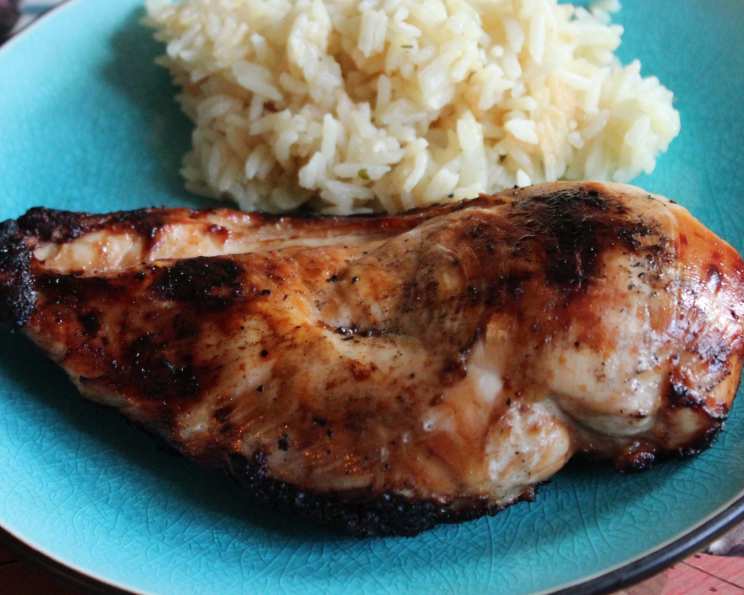
The Umami Symphony: Mastering Asian Marinade Sauce
My first encounter with this style of marinade wasn’t in a fancy restaurant, but at a family barbeque hosted by my Aunt Susan. She always had a knack for pulling together the most unexpected, yet utterly delicious, dishes. That day, the star was a humble cut of pork, transformed into something extraordinary thanks to a glistening, fragrant marinade. The aroma alone, a tantalizing blend of sweet, savory, and subtly spicy notes, had me hooked before I even took a bite. I remember thinking, “This is magic!” It was a revelation, a testament to the power of a good marinade to elevate even the simplest ingredients.
Recipe Overview
- Prep Time: 5 minutes
- Cook Time: 0 minutes (Marinade only)
- Total Time: 5 minutes + Marinating Time
- Servings: Varies (Yields approximately 2 cups of marinade)
- Yield: About 2 cups
- Dietary Type: Varies (Check soy sauce for gluten-free option)
Ingredients
- 1/2 cup soy sauce (if possible, find a “sweet soy sauce” called ketjap manis; it’s often in the Dutch or Asian section of grocery stores)
- 1 cup water
- 1/2 cup pineapple juice (or you can substitute with other pineapple or orange canned juice, or even fresh juice)
- 1-2 tablespoons sugar
- 1/2 teaspoon ginger, ground
- 1/4 teaspoon garlic, ground (or use 2 cloves fresh, minced)
Equipment Needed
- Measuring cups and spoons
- Mixing bowl or airtight container for marinating
- Whisk or spoon
Instructions
- In a mixing bowl, combine the soy sauce, water, and pineapple juice.
- Add the sugar, ginger, and garlic to the bowl.
- Whisk all the ingredients together until the sugar is dissolved. Ensure there are no clumps of ginger or garlic remaining.
- Pour the marinade into an airtight container or a resealable bag.
- Submerge your chosen protein (steak, pork, or chicken) in the marinade.
- Marinate in the refrigerator for at least overnight (8 hours), but up to 48 hours for the best flavor penetration. The longer it marinates, the more intense the flavor will become.
- After marinating, remove the protein from the marinade and cook using your preferred method (grilling, baking, pan-frying, etc.). Discard the used marinade; do not reuse it.
Expert Tips & Tricks
- Ketjap Manis Secret: The ketjap manis really elevates this marinade. It has a molasses-like consistency and a complex, sweet-savory flavor profile that regular soy sauce just can’t replicate. If you can’t find it, you can add a tablespoon of molasses or brown sugar to your regular soy sauce to mimic the sweetness.
- Fresh is Best (Sometimes): While the recipe calls for ground ginger and garlic, using freshly grated ginger and minced garlic will impart a brighter, more vibrant flavor. Start with the same measurements and adjust to your preference.
- Tenderizing Power: The pineapple juice contains enzymes that help tenderize meat. This is especially beneficial for tougher cuts like flank steak or pork shoulder.
- Sugar Control: Start with 1 tablespoon of sugar and taste the marinade. Add more to reach your desired level of sweetness. Remember, the ketjap manis is already sweet.
- Marinating Time Matters: While overnight marinating is recommended, don’t exceed 48 hours, especially with pineapple juice. The enzymes can break down the protein too much, resulting in a mushy texture.
- Reducing for a Glaze: After marinating, you can simmer the leftover marinade in a saucepan over medium heat until it reduces to a thick glaze. This glaze is excellent brushed onto the protein during the last few minutes of cooking. Make sure to bring it to a boil for at least 1 minute to kill any potential bacteria that may have come from raw meat.
- Spice it up: Add a pinch of red pepper flakes or a dash of your favorite chili sauce for a spicy kick.
- Citrus Boost: A squeeze of fresh lime or lemon juice adds brightness and acidity to balance the sweetness and savory notes.
Serving & Storage Suggestions
Serve your marinated and cooked protein with your favorite sides. This marinade is incredibly versatile and pairs well with rice, noodles, grilled vegetables, or a simple salad.
Leftover marinade should be discarded after the protein has been removed, never reused. Cooked, marinated meat can be stored in an airtight container in the refrigerator for up to 3-4 days. Reheat gently in a skillet, oven, or microwave until heated through. For longer storage, you can freeze the cooked meat for up to 2-3 months. Thaw it overnight in the refrigerator before reheating.
Nutritional Information
(Estimated values per serving, assuming a 4 oz portion of cooked meat marinated in 1/4 cup of marinade)
| Nutrient | Amount per Serving | % Daily Value |
|---|---|---|
| Calories | 220 kcal | 11% |
| Total Fat | 8g | 10% |
| Saturated Fat | 2g | 10% |
| Cholesterol | 75mg | 25% |
| Sodium | 950mg | 41% |
| Total Carbohydrate | 15g | 5% |
| Dietary Fiber | 1g | 4% |
| Sugars | 12g | – |
| Protein | 20g | 40% |
Note: Nutritional information is an estimate and may vary based on specific ingredients and portion sizes.
Variations & Substitutions
- Gluten-Free: Use tamari or gluten-free soy sauce.
- Low-Sodium: Use low-sodium soy sauce and reduce the amount of sugar.
- Spicy: Add a tablespoon of gochujang (Korean chili paste) or sriracha.
- Herbal Infusion: Add a sprig of fresh rosemary or thyme to the marinade for an herbaceous twist.
- Citrus Blast: Use orange juice instead of pineapple juice for a different citrusy flavor.
- Mushroom Magic: Add a tablespoon of dried shiitake mushroom powder for an extra layer of umami.
FAQs (Frequently Asked Questions)
Q: Can I use this marinade for tofu?
A: Absolutely! This marinade works wonderfully with tofu. Press the tofu to remove excess water before marinating for maximum flavor absorption.
Q: How long should I marinate chicken?
A: Chicken breasts can be marinated for as little as 30 minutes, but for optimal flavor and tenderness, marinate for at least 4 hours or overnight.
Q: Can I freeze the marinade?
A: It’s not recommended to freeze the marinade before using it, as the texture might change slightly upon thawing. However, cooked meat that has been marinated can be frozen.
Q: What if I don’t have pineapple juice?
A: You can substitute with orange juice, apple juice, or even a little bit of rice vinegar mixed with water and a touch of sugar. The pineapple juice adds sweetness and tenderizing enzymes, so try to replicate both those qualities.
Q: Can I use this marinade for vegetables?
A: Yes, you can! Marinate vegetables like bell peppers, onions, and zucchini for about 30 minutes before grilling or roasting.
Final Thoughts
This Asian Marinade Sauce is more than just a recipe; it’s a gateway to a world of flavor possibilities. It’s a versatile tool that can transform ordinary ingredients into culinary delights. Don’t be afraid to experiment with different variations and substitutions to create your own signature blend. I encourage you to try this recipe and share your creations and feedback. Pair your marinated protein with a crisp Asian slaw or a bowl of steamed rice for a complete and satisfying meal. Happy cooking!