
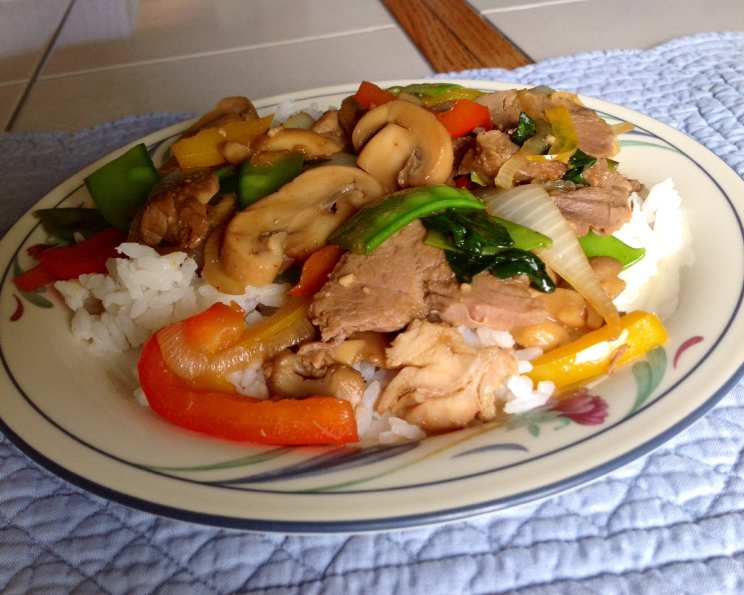
Asian Vegetable Stir-Fry With Sugar Snap Peas and Baby Bok Choy
The first time I tasted a stir-fry that truly captivated me, it wasn’t in a restaurant, but at a friend’s bustling family dinner. His grandmother, a tiny woman with the hands of a seasoned chef, worked magic in her wok, tossing vibrant vegetables with a sauce that danced between sweet and savory. The star, I recall vividly, was the bright green sugar snap peas, their crispness a delightful counterpoint to the tender bok choy. That memory is what I always try to recreate when I step in front of a wok, hoping to share a taste of that same simple joy.
Recipe Overview
- Prep Time: 15 minutes
- Cook Time: 15 minutes
- Total Time: 30 minutes
- Servings: 4-6
- Yield: Varies
- Dietary Type: Adaptable (Vegetarian/Vegan/Gluten-Free options)
Ingredients
For the Sauce:
- 2 tablespoons vegetable stock
- 1 tablespoon hoisin sauce
- 1 tablespoon soy sauce
- 2 teaspoons sesame oil
- 1 teaspoon honey
- 1-2 garlic clove, finely minced
- 1 tablespoon freshly grated ginger
For the Stir-Fry:
- Vegetable oil
- 1 medium sweet onion, thinly sliced
- 1 1/2 cups sliced red bell peppers
- 1 1/2 cups sliced green bell peppers
- 2 cups sugar snap peas
- 2 baby bok choy
- 1 1/2 cups dried shiitake mushrooms, reconstituted and drained
- 6 ounces cooked pork tenderloin, thinly sliced (optional)
- Green onion, sliced for garnish
Equipment Needed
- Small dish or bowl
- Large wok or skillet
- Cutting board
- Knife
Instructions
-
Begin by preparing the sauce. In a small dish, whisk together the vegetable stock, hoisin sauce, soy sauce, sesame oil, honey, minced garlic, and freshly grated ginger. Set this mixture aside. It’s best to have this ready before you start cooking, as the stir-fry process moves quickly.
-
Next, prepare your vegetables. Ensure the sweet onion is thinly sliced, the red and green bell peppers are sliced, the sugar snap peas are trimmed, and the shiitake mushrooms are reconstituted and drained. Cut the baby bok choy in fourths lengthwise, then into 1-inch lengths. If you are using pork tenderloin, slice it thinly.
-
Place your wok or skillet over medium-high heat. Add a small amount of vegetable oil. The pan is ready when a drop of water sizzles immediately.
-
Add the thinly sliced onions to the hot wok. Cook them until they are lightly browned, stirring frequently to prevent burning. This will take a few minutes, and the aroma should be fragrant.
-
Stir in the sliced red and green bell peppers and the sugar snap peas. Cook, stirring constantly, for a few minutes until the peppers begin to soften slightly.
-
Add the prepared baby bok choy to the wok. Stir-fry until the bok choy begins to turn a darker shade of green, approximately 3 minutes. Ensure all the vegetables are evenly coated with oil and heat.
-
Now, add the drained shiitake mushrooms and the sliced pork tenderloin (if using). Stir-fry to combine the ingredients.
-
Pour the prepared sauce over the vegetables and pork. Cook just until everything is warmed through and the sauce has slightly thickened, about 1-2 minutes. Be careful not to overcook the vegetables; they should remain slightly crisp.
-
Remove from heat and garnish with sliced green onion before serving.
Expert Tips & Tricks
- High Heat is Key: Stir-fries are best when cooked at high heat. This ensures that the vegetables cook quickly and retain their crispness. If your wok or skillet isn’t hot enough, the vegetables will steam instead of stir-fry.
- Prepare Everything in Advance: This is crucial for a successful stir-fry. Chop all your vegetables and have your sauce ready to go before you even turn on the heat. This will prevent you from burning ingredients while you’re busy prepping.
- Don’t Overcrowd the Wok: If you have too many ingredients in the wok at once, it will lower the temperature and the vegetables will steam. Cook in batches if necessary.
- Adjust the Sauce to Your Taste: Feel free to adjust the amount of honey, soy sauce, or hoisin sauce to suit your preferences. If you like it spicier, add a pinch of red pepper flakes or a dash of chili garlic sauce.
- Mushroom Reconstitution Tip: For a more intense mushroom flavor, save the water used to reconstitute the dried shiitakes. Strain it well and use it in place of some of the vegetable broth in the sauce.
Serving & Storage Suggestions
Serve the Asian Vegetable Stir-Fry immediately over brown rice, quinoa, or noodles. For a more elaborate presentation, consider arranging the stir-fry artfully on a platter and garnishing with toasted sesame seeds.
Leftovers can be stored in an airtight container in the refrigerator for up to 3 days. To reheat, stir-fry in a wok or skillet over medium heat until warmed through. You may need to add a splash of water or vegetable stock to prevent the vegetables from drying out. Freezing is not recommended, as the vegetables will lose their texture.
Nutritional Information
Note: Nutritional information is an estimate and may vary based on specific ingredients and portion sizes.
| Nutrient | Amount per Serving | % Daily Value |
|---|---|---|
| Calories | 250 kcal | 13% |
| Total Fat | 8g | 10% |
| Saturated Fat | 1.5g | 8% |
| Cholesterol | 20mg | 7% |
| Sodium | 500mg | 22% |
| Total Carbohydrate | 30g | 11% |
| Dietary Fiber | 7g | 25% |
| Sugars | 10g | – |
| Protein | 15g | 30% |
Variations & Substitutions
- Vegetarian/Vegan: Omit the pork tenderloin. To add more protein, consider adding tofu, tempeh, or edamame. Ensure your hoisin sauce is vegetarian/vegan-friendly.
- Gluten-Free: Use tamari instead of soy sauce.
- Different Vegetables: Feel free to swap out vegetables based on what’s in season or what you have on hand. Broccoli, carrots, snow peas, and asparagus are all excellent additions.
- Protein Options: Chicken, beef, shrimp, or scallops can be used instead of pork tenderloin.
- Nut-Free: Ensure the hoisin sauce does not contain any peanuts or tree nuts.
- Spicy: Add a pinch of red pepper flakes to the sauce or a drizzle of sriracha at the end.
FAQs (Frequently Asked Questions)
Q: Can I use frozen vegetables in this recipe?
A: Yes, you can, but fresh vegetables will give you the best texture. If using frozen, make sure to thaw and drain them well before adding them to the wok.
Q: What if I don’t have hoisin sauce?
A: Hoisin sauce adds a unique sweetness and depth of flavor. If you don’t have it, you can substitute with a mixture of soy sauce, brown sugar, and a touch of peanut butter (if no allergies).
Q: How do I prevent my stir-fry from being too oily?
A: Use a non-stick wok or skillet and add the oil sparingly. Don’t overcrowd the pan, as this will cause the vegetables to steam instead of stir-fry, requiring more oil.
Q: Can I make this stir-fry ahead of time?
A: While it’s best served immediately, you can chop the vegetables and prepare the sauce ahead of time. Store them separately in the refrigerator and combine them when you’re ready to cook.
Q: Is there a substitute for sesame oil?
A: Sesame oil adds a distinctive nutty flavor. If you don’t have it, you can use another neutral oil like canola or peanut oil, but the flavor will be slightly different. Consider adding a few drops of toasted sesame oil at the end for a hint of the original flavor.
Final Thoughts
This Asian Vegetable Stir-Fry with Sugar Snap Peas and Baby Bok Choy is a delightful, adaptable dish that’s perfect for a quick weeknight meal. Feel free to experiment with different vegetables and proteins to create your own unique version. Don’t be afraid to adjust the sauce to your liking – the key is to have fun and enjoy the process. I encourage you to give this recipe a try and share your feedback. Perhaps pair it with a light and refreshing cucumber salad or a chilled glass of sake for a complete and satisfying experience.