
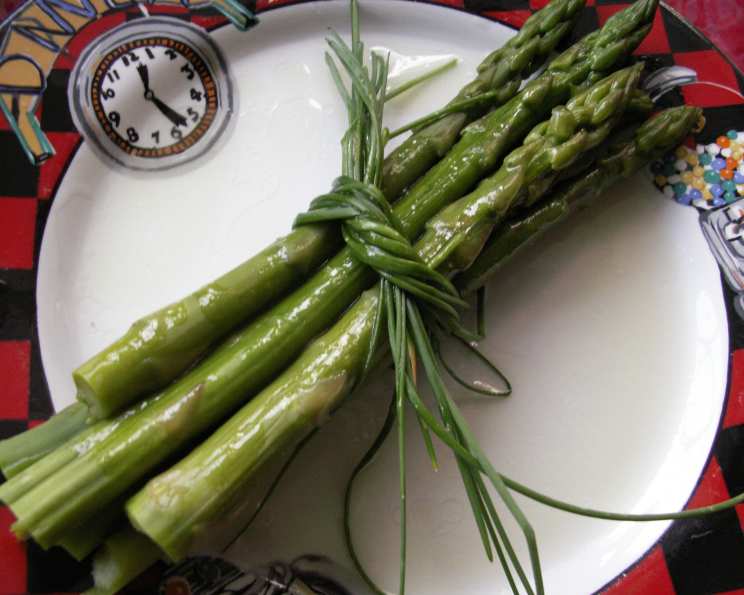
Asparagus With Truffle Oil Vinaigrette: A Simple Luxury
I’ll never forget the first time I tasted truffle oil. It was drizzled over a simple plate of asparagus at a tiny trattoria in Italy. The earthy aroma, the delicate sweetness of the asparagus, and that indescribable truffle flavor created a symphony on my tongue. It was a revelation, a reminder that the simplest ingredients, when treated with care and a touch of luxury, can become something truly extraordinary. Now, years later, I recreate that experience in my own kitchen with this effortless recipe.
Recipe Overview
- Prep Time: 5 minutes
- Cook Time: 3 minutes
- Total Time: 8 minutes
- Servings: 4-6
- Dietary Type: Vegetarian, Gluten-Free
Ingredients
- 1 kg asparagus, washed and trimmed
Vinaigrette
- 2 tablespoons white truffle oil
- 1 1/2 tablespoons extra virgin olive oil
- 1 tablespoon white wine vinegar
- 1/4 teaspoon fresh squeezed lemon juice
- 1/2 teaspoon coarse salt or 1/2 teaspoon sea salt
- Black pepper, to taste
Equipment Needed
- Large pot
- Slotted spoon or tongs
- Small bowl
- Whisk
- Serving platter or individual plates
Instructions
-
Prepare the Vinaigrette: In a small bowl, whisk together the white truffle oil, extra virgin olive oil, white wine vinegar, fresh squeezed lemon juice, and salt. Season with black pepper to your liking. Set the vinaigrette aside. If you’re preparing the vinaigrette ahead of time, refrigerate it, but be sure to bring it to room temperature before using to allow the flavors to fully develop.
-
Blanch the Asparagus: Bring a large pot of lightly salted water to a rolling boil. Add the asparagus to the boiling water and cook for approximately 3 minutes, or until the asparagus is crisp-tender. The cooking time may vary slightly depending on the thickness of your asparagus spears; thinner spears will cook faster.
-
Refresh the Asparagus: Immediately remove the asparagus from the boiling water using a slotted spoon or tongs and plunge it into a bowl of ice water. This process, known as shocking, will stop the cooking and help retain the vibrant green color and crisp texture of the asparagus.
-
Drain and Toss: Once the asparagus is thoroughly chilled, drain it well. Gently pat it dry with paper towels to remove any excess water. Place the drained asparagus in a bowl and toss with enough vinaigrette to lightly coat each spear. Be careful not to overdress the asparagus, as you want the delicate flavor of the vegetable to shine through.
-
Arrange and Serve: Arrange the dressed asparagus on a serving platter or individual serving plates. Serve immediately and enjoy!
Expert Tips & Tricks
- Asparagus Selection: Choose asparagus spears that are firm, bright green, and have tightly closed tips. Avoid spears that are limp, wilted, or have a strong odor. The thickness of the spears is a matter of personal preference; thicker spears tend to be more succulent, while thinner spears are more tender.
- Trimming the Asparagus: To properly trim asparagus, simply bend each spear near the base. The tough end will naturally snap off. Alternatively, you can trim the ends with a knife, but be sure to remove at least an inch or two to ensure tenderness.
- Don’t Overcook: The key to perfectly cooked asparagus is to avoid overcooking it. Overcooked asparagus will be mushy and lose its vibrant green color. Aim for a crisp-tender texture that still has a slight bite.
- Truffle Oil Quality: The quality of your truffle oil will significantly impact the flavor of the dish. Opt for a high-quality truffle oil made with real truffles, rather than synthetic flavoring.
- Vinaigrette Adjustment: Adjust the vinaigrette to your personal taste preferences. If you prefer a tangier flavor, add a bit more lemon juice or white wine vinegar. For a richer flavor, use a higher quality extra virgin olive oil.
- Salt Selection: Coarse salt or sea salt adds a pleasant textural element to the dish, but regular table salt can be used as well. Adjust the amount of salt according to your taste.
Serving & Storage Suggestions
This Asparagus with Truffle Oil Vinaigrette is best served immediately after preparation to enjoy its vibrant flavors and crisp texture. It makes a delightful side dish for grilled fish, roasted chicken, or steak. It can also be served as a light appetizer or incorporated into a salad.
Leftover asparagus can be stored in an airtight container in the refrigerator for up to 2 days. However, the asparagus may lose some of its crispness and the vinaigrette may become less vibrant over time. It’s best to reheat the asparagus gently in a skillet over low heat or enjoy it cold in a salad. I do not recommend freezing asparagus as the texture will be greatly compromised upon thawing.
Nutritional Information
| Nutrient | Amount per Serving | % Daily Value |
|---|---|---|
| Calories | 100 kcal | 5% |
| Total Fat | 7g | 9% |
| Saturated Fat | 1g | 5% |
| Cholesterol | 0mg | 0% |
| Sodium | 326mg | 14% |
| Total Carbohydrate | 10g | 4% |
| Dietary Fiber | 5g | 20% |
| Sugars | 3g | – |
| Protein | 6g | 12% |
Variations & Substitutions
- Lemon Vinaigrette: If you don’t have white wine vinegar on hand, you can substitute it with an equal amount of lemon juice for a brighter, more citrusy vinaigrette.
- Garlic Infusion: For a bolder flavor, infuse the extra virgin olive oil with a clove of minced garlic before adding it to the vinaigrette. Simply heat the oil and garlic over low heat for a few minutes, being careful not to burn the garlic, and then let it cool before using.
- Herb Infusion: Add fresh herbs like chopped parsley, chives, or tarragon to the vinaigrette for a more complex flavor profile.
- Roasted Asparagus: Instead of blanching the asparagus, you can roast it in the oven for a more intense flavor. Toss the asparagus with olive oil, salt, and pepper, and then roast it at 400°F (200°C) for 10-15 minutes, or until tender-crisp. Drizzle with truffle oil vinaigrette after roasting.
- Vegan Option: Ensure the truffle oil you are using is vegan, as some may contain dairy or other animal-derived ingredients.
FAQs (Frequently Asked Questions)
Q: Can I make the vinaigrette ahead of time?
A: Yes, you can prepare the vinaigrette up to a day in advance. Store it in an airtight container in the refrigerator. Be sure to bring it to room temperature before using to allow the flavors to fully develop.
Q: How do I know when the asparagus is cooked perfectly?
A: The asparagus should be crisp-tender, meaning it should be tender enough to pierce easily with a fork, but still retain a slight bite. Avoid overcooking the asparagus, as it will become mushy.
Q: Can I use frozen asparagus for this recipe?
A: While fresh asparagus is preferred, you can use frozen asparagus in a pinch. Be sure to thaw the asparagus completely and drain it well before blanching it. Keep in mind that frozen asparagus may not have the same crisp texture as fresh asparagus.
Q: What can I serve with Asparagus with Truffle Oil Vinaigrette?
A: This dish pairs well with grilled fish, roasted chicken, steak, or as part of a larger salad. Its elegant flavor profile also complements creamy cheeses and crusty bread.
Q: Where can I find high-quality truffle oil?
A: Look for truffle oil at specialty food stores, gourmet markets, or online retailers. Be sure to read the label carefully and choose a product that is made with real truffles, rather than synthetic flavoring.
Final Thoughts
Asparagus with Truffle Oil Vinaigrette is a simple yet elegant dish that is perfect for any occasion. The combination of tender asparagus, earthy truffle oil, and tangy vinaigrette creates a flavor sensation that is sure to impress. Whether you’re looking for a quick and easy side dish or a sophisticated appetizer, this recipe is a winner. Don’t be intimidated by the truffle oil; a little goes a long way. Experiment with the vinaigrette, adjust the seasoning to your liking, and most importantly, enjoy the process of creating something delicious. I encourage you to try this recipe and share your feedback – and perhaps, pair it with a crisp glass of Sauvignon Blanc for an extra touch of indulgence!