
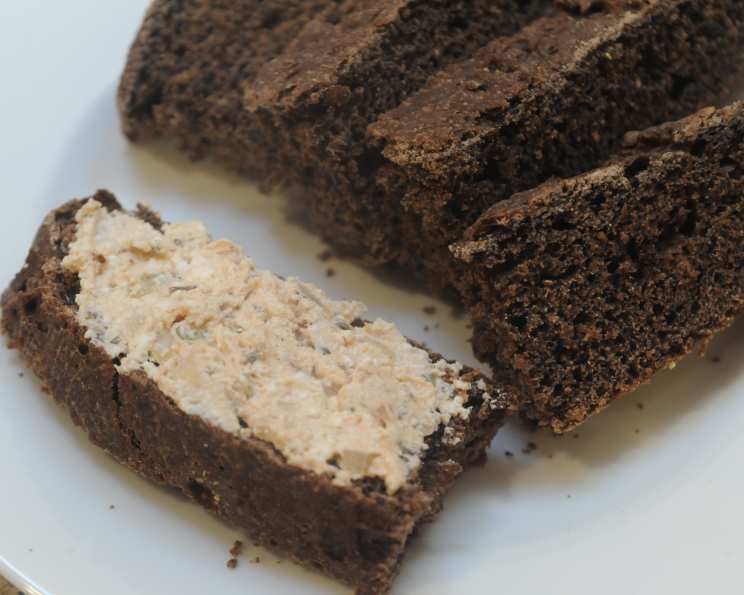
Mastering the Art of Austrian Pumpernickel: A Journey into Dark Rye Delight
The first time I tasted true pumpernickel, it wasn’t in a fancy restaurant or a trendy bakery, but rather in a tiny, unassuming deli in Vienna. The aroma alone, a complex blend of dark rye, molasses, and earthy spices, captivated me. The dense, almost chewy texture and slightly bittersweet flavor were unlike anything I’d ever experienced. It was a revelation, a deep dive into the heart of Austrian baking traditions, and it sparked a lifelong passion for understanding and recreating this iconic bread. This recipe brings that authentic taste to your own kitchen.
Recipe Overview
- Prep Time: 2 hours 15 minutes (includes rising time)
- Cook Time: 30-35 minutes
- Total Time: Approximately 3 hours
- Yield: 2 loaves
- Dietary Type: Vegetarian (easily adaptable to vegan by substituting butter with margarine)
Ingredients
- 6 ¾ teaspoons active dry yeast
- ¾ cup warm water (105 to 115 degrees F)
- ½ cup dark molasses
- 2 tablespoons vegetable oil
- 1 tablespoon caraway seed
- 1 tablespoon salt
- 2 ½ cups dark rye flour
- 1 cup shredded wheat cereal
- ¼ cup cocoa (unsweetened)
- 2 – 2 ½ cups all-purpose flour, plus more for dusting
- Cornmeal, for dusting
- Butter or margarine, softened, for brushing
Equipment Needed
- Large mixing bowl
- Measuring cups and spoons
- Greased bowl
- Cookie sheet/baking sheet
- Stand mixer (optional, but recommended)
- Clean kitchen towel
Instructions
-
Activate the Yeast: In a large mixing bowl, dissolve the active dry yeast in the warm water. It’s crucial that the water temperature is within the range of 105 to 115 degrees F to ensure the yeast activates properly. Let the mixture sit for about 5-10 minutes, or until it becomes frothy. This indicates that the yeast is alive and ready to leaven the dough.
-
Combine Wet and Dry Ingredients: To the frothy yeast mixture, add the dark molasses, vegetable oil, caraway seed, and salt. Mix well to combine these wet ingredients.
-
Add the Rye Flour, Cereal and Cocoa: Gradually add the dark rye flour, shredded wheat cereal, and cocoa to the wet ingredients. Mix until a smooth batter forms. The cocoa contributes significantly to the bread’s dark color and depth of flavor.
-
Incorporate All-Purpose Flour: Gradually add the all-purpose flour, mixing until the dough develops a good texture. You may not need the entire 2 ½ cups. The goal is to achieve a dough that is slightly sticky but manageable.
-
Rest the Dough: Turn the dough out onto a lightly floured surface. Cover the dough with a clean kitchen towel and let it rest for 10 to 15 minutes. This resting period, known as autolysing, allows the gluten to relax and the flour to fully hydrate, resulting in a more tender crumb.
-
Knead the Dough: Knead the dough vigorously for 5-7 minutes, or until it becomes smooth and elastic. If using a stand mixer with a dough hook, knead on medium speed for about 5 minutes.
-
First Rise: Place the kneaded dough in a lightly greased bowl, turning to coat. Cover the bowl with plastic wrap or a clean kitchen towel. Let the dough rise in a warm place until it has approximately doubled in size, which usually takes about an hour. The ideal temperature for rising is around 75-80 degrees F.
-
Shape the Loaves: Sprinkle a greased cookie sheet with cornmeal. Punch down the risen dough to release the trapped air. Divide the dough in half. Shape each half into a round loaf.
-
Second Rise: Place the loaves onto opposite corners of the prepared cookie sheet, leaving enough space between them to prevent them from baking into each other. Brush the top of each loaf with some softened butter or margarine. Cover loosely and let them rise again until they have nearly doubled in size, another hour or so.
-
Bake the Pumpernickel: Preheat your oven to 375 degrees F (190 degrees C). Bake the bread in the preheated oven for about 30 to 35 minutes, or until the loaves sound hollow when you tap them on the bottom.
-
Cool and Serve: Transfer the baked loaves to a wire rack to cool completely before slicing and serving.
Expert Tips & Tricks
- Use Fresh Yeast: Ensure your yeast is fresh for optimal rising. If you are unsure, test it by proofing it with a pinch of sugar in warm water.
- Adjust Flour as Needed: The amount of all-purpose flour may vary depending on the humidity and the type of flour used. Add flour gradually until the dough reaches the desired consistency.
- Dark Molasses is Key: The dark molasses is crucial for the characteristic flavor and color of pumpernickel. Do not substitute it with lighter molasses.
- Steam for a Crispy Crust: For a crispier crust, place a pan of hot water on the bottom rack of the oven during baking. The steam will help to create a beautiful, crusty exterior.
- Don’t Overbake: Overbaking will result in a dry, crumbly bread. Check for doneness by tapping the bottom of the loaf; it should sound hollow.
Serving & Storage Suggestions
Austrian Pumpernickel is best served at room temperature. Its robust flavor pairs beautifully with strong cheeses like aged cheddar or Gruyère, smoked meats, and savory spreads. Consider serving it with a hearty cheese plate or using it to make sandwiches with flavorful fillings.
- Storage: Store the cooled bread in an airtight container at room temperature for up to 3 days.
- Refrigeration: For longer storage, wrap the bread tightly in plastic wrap and refrigerate for up to a week.
- Freezing: To freeze, slice the bread and wrap the slices individually or in small portions. Freeze for up to 3 months. Thaw at room temperature before serving.
- Reheating: To refresh the bread, lightly toast slices or warm the whole loaf in a low oven (300°F/150°C) for about 10-15 minutes.
Nutritional Information
Please note that this is an estimate, and nutritional values may vary based on specific ingredients and portion sizes.
| Nutrient | Amount per Serving | % Daily Value |
|---|---|---|
| Calories | 210 kcal | 10% |
| Total Fat | 3g | 4% |
| Saturated Fat | 0.5g | 3% |
| Cholesterol | 0 mg | 0% |
| Sodium | 440 mg | 19% |
| Total Carbohydrate | 40g | 15% |
| Dietary Fiber | 7g | 25% |
| Sugars | 8g | – |
| Protein | 5g | 10% |
Variations & Substitutions
- Vegan Pumpernickel: Substitute the butter or margarine with a plant-based alternative. Ensure your vegetable oil is also vegan-friendly.
- Spiced Pumpernickel: Add a teaspoon of ground coriander or fennel seeds to the dough for a more complex flavor profile.
- Nutty Pumpernickel: Incorporate ½ cup of chopped walnuts or pecans into the dough for added texture and flavor.
- Sweetened Pumpernickel: Add an additional tablespoon of molasses or a tablespoon of honey for a slightly sweeter loaf.
FAQs (Frequently Asked Questions)
Q: Why is my pumpernickel bread so dense?
A: Pumpernickel is naturally a dense bread due to the high proportion of rye flour. However, ensuring you properly activate the yeast and allow sufficient rising time will help to lighten the texture.
Q: Can I use whole wheat flour instead of all-purpose flour?
A: Yes, you can substitute whole wheat flour for some of the all-purpose flour, but keep in mind that it may result in a slightly denser loaf. Start by substituting about half of the all-purpose flour and adjust the liquid as needed.
Q: How can I make the bread darker?
A: Increase the amount of cocoa powder by a tablespoon or two. You can also add a teaspoon of instant coffee granules to enhance the dark color and flavor.
Q: What if I don’t have shredded wheat cereal?
A: You can substitute it with an equal amount of rolled oats or bran flakes. These will add a similar texture and nutritional value to the bread.
Q: Can I bake this recipe as one large loaf instead of two smaller ones?
A: Yes, but you will need to increase the baking time. Monitor the bread closely and bake until it sounds hollow when tapped. It may take an additional 10-15 minutes.
Final Thoughts
This Austrian Pumpernickel recipe isn’t just about making bread; it’s about connecting with a rich culinary heritage. The deep, complex flavors and satisfyingly dense texture offer a unique and rewarding baking experience. I encourage you to try this recipe, experiment with the variations, and share your creations with friends and family. The aroma of freshly baked pumpernickel filling your kitchen is a reward in itself! Enjoy the journey, and don’t hesitate to share your feedback or any delicious pairings you discover.