
Mastering Sugo Alla Bolognese: A Culinary Journey to Bologna
The aroma alone transports me back to a tiny trattoria nestled in the heart of Bologna. The clatter of dishes, the boisterous Italian conversations, and most of all, the comforting scent of slowly simmering meat sauce permeated the air. My nonna Emilia, a woman whose hands held the secrets of generations, was in the kitchen, stirring a pot of what she declared to be the “only true Bolognese.” It wasn’t just a meal; it was a tradition, a story told in every spoonful, a taste of home that I carry with me to this day. This recipe is my attempt to share that warmth and authenticity with you.
Recipe Overview
- Prep Time: 20 minutes
- Cook Time: 1 hour 50 minutes
- Total Time: 2 hours 10 minutes
- Servings: 8
- Yields: 8 cups
- Dietary Type: Gluten-Free
Ingredients
- 2 medium onions, peeled and coarsely chopped
- 2 carrots, peeled and coarsely chopped
- 2 celery ribs, coarsely chopped
- 1 garlic clove, crushed
- ¼ cup chopped uncooked bacon (or pancetta)
- ¼ cup extra virgin olive oil
- 1 ½ teaspoons salt
- ¾ teaspoon fresh ground pepper
- 1 teaspoon dried basil
- 1 teaspoon dried oregano
- 1 teaspoon dried thyme leaves
- 1 ½ lbs ground veal (or ground beef or mixture of both)
- 1 cup dry white wine
- ¼ cup tomato paste
- 1 (28 ounce) can crushed tomatoes (or pureed tomatoes)
- ½ cup milk (or cream)
- 1 pinch ground nutmeg
Equipment Needed
- Food Processor
- Large, Heavy Saucepan
Instructions
-
Begin by preparing your vegetables. Place the chopped onions, carrots, celery, and garlic clove in a food processor. Pulse the motor until the vegetables are finely chopped. This mixture is known as a soffritto, the flavorful base of many Italian dishes. Don’t over-process; you want a fine chop, not a puree.
-
Heat the olive oil in a large, heavy saucepan set over medium heat. The size and weight of the saucepan are important for even heat distribution, which prevents scorching and promotes deep flavor development. Add the chopped vegetables from the food processor and the chopped bacon (or pancetta). Stir in the salt, pepper, basil, oregano, and thyme.
-
Cook, stirring occasionally, until the vegetables are softened, about 5 minutes. The bacon or pancetta will render its fat, infusing the vegetables with a savory richness. Be patient; don’t rush this step. Allowing the vegetables to soften properly is crucial for a well-developed sauce.
-
Add the ground veal (or beef, or a mixture of both) to the pot with the vegetables. If using a mixture, I recommend a ratio of 2:1 veal to beef for optimal flavor. Cook over medium-high heat, breaking up the meat with a wooden spoon, until the meat is no longer pink, about 6 minutes. Make sure to crumble the meat as finely as possible to ensure an even sauce consistency.
-
Stir in the wine, tomato paste, crushed tomatoes, and the milk (or cream). Don’t be alarmed by the milk; it adds a subtle sweetness and richness that balances the acidity of the tomatoes. Add the pinch of ground nutmeg. The nutmeg might seem unusual, but it provides a warm, aromatic depth that complements the other flavors beautifully.
-
Reduce the heat to low and simmer gently, stirring occasionally, for 1 ½ hours. This is where the magic happens. The long, slow simmer allows the flavors to meld and deepen, creating a complex and unforgettable sauce. Don’t skip this step! Stir the sauce every 15-20 minutes to prevent sticking and ensure even cooking. If the sauce becomes too thick, add a little water or broth to thin it out.
-
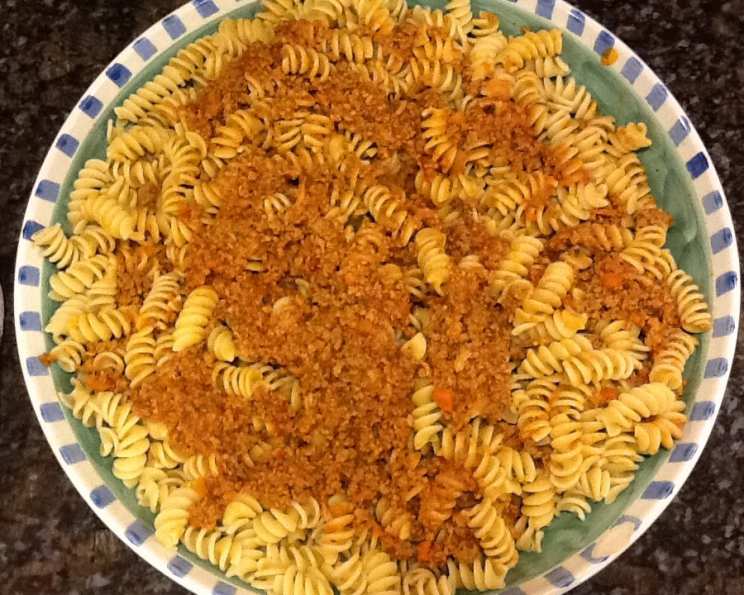
Serve over spaghetti, cooked al dente, and pass the grated Parmesan cheese. Always cook your pasta al dente – it should be firm to the bite. The sauce will cling beautifully to the slightly resistant surface. And don’t skimp on the Parmesan; its salty, umami flavor is the perfect finishing touch. Mangia!
Expert Tips & Tricks
- For an even deeper flavor, brown the ground meat in batches to avoid overcrowding the pan. This will create a beautiful crust and add complexity to the sauce.
- If you don’t have a food processor, you can finely chop the vegetables by hand. Just be sure to chop them very finely for the best texture.
- Don’t be afraid to experiment with different herbs and spices. A bay leaf or a sprig of rosemary can add a unique twist to the flavor profile. Remember to remove bay leaf before serving.
- For a richer sauce, use a good quality pancetta instead of bacon. Pancetta is unsmoked Italian bacon that has a slightly sweeter flavor.
Serving & Storage Suggestions
Sugo Alla Bolognese is traditionally served over fresh egg pasta, such as tagliatelle or fettuccine, but it’s equally delicious with spaghetti, penne, or rigatoni. Garnish with fresh basil leaves and plenty of freshly grated Parmesan cheese.
Leftover Bolognese sauce can be stored in an airtight container in the refrigerator for up to 3-4 days. It also freezes beautifully for up to 3 months. To reheat, simply warm the sauce over low heat, stirring occasionally, until heated through. You may need to add a little water or broth to thin it out if it has thickened during storage.
Nutritional Information
| Nutrient | Amount per Serving | % Daily Value |
|---|---|---|
| Calories | 296 kcal | N/A |
| Total Fat | 15.5 g | 23% |
| Saturated Fat | 4.4 g | 22% |
| Cholesterol | 75.1 mg | 25% |
| Sodium | 768 mg | 31% |
| Total Carbohydrate | 15 g | 5% |
| Dietary Fiber | 3.4 g | 13% |
| Sugars | 3.4 g | N/A |
| Protein | 20.1 g | 40% |
Variations & Substitutions
- Vegetarian Bolognese: Substitute the meat with lentils or finely chopped mushrooms. Add a teaspoon of smoked paprika for a smoky flavor.
- Spicy Bolognese: Add a pinch of red pepper flakes to the sauce for a touch of heat.
- Creamy Bolognese: Stir in a dollop of mascarpone cheese at the end of cooking for an extra creamy texture.
- Wine Substitution: If you don’t have white wine on hand, you can use red wine or even chicken broth. Just be sure to adjust the seasoning to taste.
FAQs (Frequently Asked Questions)
Q: Can I make this sauce ahead of time?
A: Absolutely! In fact, Bolognese sauce is even better the next day as the flavors have more time to meld together. Store it in the refrigerator in an airtight container.
Q: Can I use canned diced tomatoes instead of crushed tomatoes?
A: Yes, you can, but the texture will be slightly different. If using diced tomatoes, I recommend briefly blending them with an immersion blender to achieve a smoother consistency.
Q: What is pancetta, and can I use something else?
A: Pancetta is Italian bacon that is cured but not smoked. If you can’t find pancetta, you can substitute with regular bacon, but be aware that the smoky flavor of the bacon will slightly alter the taste of the sauce.
Q: Can I freeze Bolognese sauce?
A: Yes, Bolognese sauce freezes very well. Allow it to cool completely before transferring it to a freezer-safe container. It can be frozen for up to 3 months.
Q: What kind of pasta goes best with Bolognese sauce?
A: Traditional Bolognese is typically served with tagliatelle or fettuccine, but it also works well with other wide, flat noodles like pappardelle. The wide noodles provide a large surface area for the sauce to cling to.
Final Thoughts
Making Sugo Alla Bolognese is a labor of love, but the results are well worth the effort. This is a dish that nourishes the body and soul, a taste of Italy that you can recreate in your own kitchen. Gather your ingredients, put on some Italian music, and let the aroma of this slowly simmering sauce transport you to a cozy trattoria in Bologna. Don’t be afraid to experiment and make it your own – and most importantly, share it with loved ones. Buon appetito!