
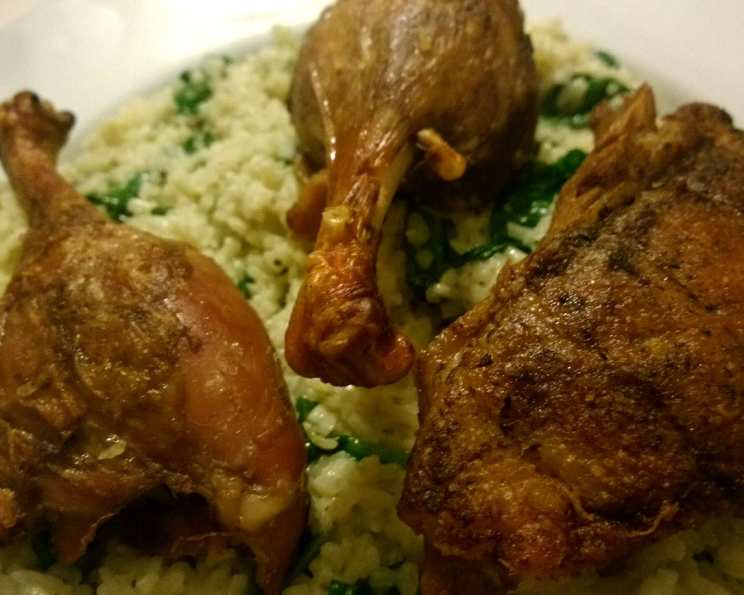
The Alluring Aroma of Authentic 5-Spice Peking Duck
The first time I experienced Peking Duck, it wasn’t in a fancy restaurant, but at a bustling night market in Beijing. The sizzle of the skin, the intoxicating aroma of spices, and the way the chef expertly carved the glistening bird tableside created an unforgettable sensory experience. Even now, years later, I can almost taste the delicate balance of sweet, savory, and subtly spiced flavors that danced on my palate. That memory fueled my quest to recreate that magical dish in my own kitchen, and after countless attempts, I’m thrilled to share this authentic recipe with you.
Recipe Overview
- Prep Time: 30 minutes (plus thawing and drying time)
- Cook Time: 1 hour 15 minutes – 1 hour 45 minutes
- Total Time: 5 hours – 7 hours (including thawing and drying)
- Servings: 2-4
- Yields: 1 whole duck
- Dietary Type: Varies, depending on serving accompaniments. Generally, not gluten-free without modification.
Ingredients
- 1 (4-6 lb) frozen whole duck
- 3 tablespoons honey
- 4 tablespoons xiao xing Chinese rice wine (aka shao hsing)
- 2 tablespoons white vinegar
- 3 slices of unpeeled fresh ginger
- 3 tablespoons cornstarch
- 3 tablespoons Chinese five-spice powder, for rub
- 4 tablespoons soy sauce
- 8 cups water
Equipment Needed
- Large wok or pot
- Chopstick or skewer
- Pot or container to catch drippings
- Roasting rack
- Large pan
Instructions
- Begin by thoroughly thawing the duck overnight in the refrigerator. This is a crucial step for even cooking and preventing bacterial growth.
- Once thawed, remove the giblets from the cavity of the duck. Trim any excess fat from the tail area or any other areas where it is hanging.
- Using a chopstick or skewer, carefully pierce the skin under one wing, bringing the skewer through to the other side and piercing under the other wing. This creates a convenient way to dunk and hang the duck. You may remove the wings entirely if desired, although leaving them on contributes to the overall presentation.
- In a large wok or pot, bring the water to a boil.
- Carefully add the ginger slices, vinegar, soy sauce, xiao xing rice wine, and honey to the boiling water. Stir continuously to ensure the honey dissolves completely.
- Prepare a cornstarch slurry by mixing the cornstarch with a small amount of cold water. Gradually add the slurry to the boiling mixture, stirring constantly to prevent lumps from forming. This will slightly thicken the liquid and help it adhere to the duck.
- Dunk the duck into the boiling mixture, using the skewer or chopstick to hold it securely. Using a ladle or spoon, continuously spoon the liquid over the duck for a couple of minutes, ensuring that the entire surface is thoroughly moistened. This process helps to render some of the fat under the skin.
- Repeat the dunking and spooning process for another couple of minutes. This ensures maximum coverage and penetration of the flavorful liquid.
- Immediately hang the duck in a cool room with a fan set on high, pointed directly at the duck. Place a pot or container underneath to catch any drippings.
- Rotate the duck periodically to ensure even drying on all sides. This drying process is essential for achieving that signature crispy Peking Duck skin. It should take approximately 5 hours. The skin will become taut and tight as it dries.
- After 4-6 hours of drying, rub the duck generously with the Chinese five-spice powder, adjusting the amount to your personal taste. This spice rub will infuse the duck with its characteristic warm and aromatic flavor.
- Preheat your oven to 375 degrees Fahrenheit (190 degrees Celsius).
- Place the duck onto a roasting or cooling rack, positioning it on the middle or top rack of the oven. Place a large pan filled with about 2 inches of water on the bottom rack. This creates steam, which helps to keep the duck moist during roasting and also catches any drippings, making oven cleanup easier.
- Roast the duck uncovered for approximately 1 hour and 15 minutes to 1 hour and 45 minutes, rotating it 2-3 times during the cooking process to ensure even browning.
- Check the internal temperature of the duck for doneness. The duck is cooked when it reaches an internal temperature of 175 degrees Fahrenheit (80 degrees Celsius) in the thickest part of the breast. Keep in mind that convection ovens may cook the duck more quickly.
- Remove the duck from the oven and let it rest for 10 minutes before serving. This allows the juices to redistribute, resulting in a more tender and flavorful bird. Serve the duck whole or chop it Chinese-style on the bone.
Expert Tips & Tricks
- Drying is key: Don’t skimp on the drying time. This is what creates that crispy skin everyone loves. If you live in a humid environment, you may need to dry the duck for longer.
- Score the skin: Before dunking the duck, you can lightly score the skin in a diamond pattern. This helps render more fat and creates even crispier skin. Be careful not to cut into the flesh.
- Use a meat thermometer: The best way to ensure your duck is cooked perfectly is to use a reliable meat thermometer. Insert it into the thickest part of the breast, avoiding the bone.
- Basting (Optional): For an extra-glossy skin, you can baste the duck with a mixture of honey and rice vinegar during the last 30 minutes of roasting.
- Smoke it up: For a unique flavor profile, try smoking the duck for a few hours before roasting. Use wood chips like apple or cherry for a subtle smoky sweetness.
Serving & Storage Suggestions
Authentic Peking Duck is traditionally served with thin pancakes, scallions, and hoisin sauce. The crispy skin is the star of the show, and is usually served separately. The duck meat can be used in stir-fries, soups, or salads.
Leftover duck should be stored in an airtight container in the refrigerator for up to 3 days. For longer storage, freeze the duck in freezer-safe bags or containers for up to 2 months.
To reheat, bake the duck in a preheated oven at 350 degrees Fahrenheit (175 degrees Celsius) until heated through. You can also reheat it in a microwave, but the skin may not be as crispy.
Nutritional Information
Note: Nutritional information is an estimate and may vary based on specific ingredients and serving sizes.
| Nutrient | Amount per Serving | % Daily Value |
|---|---|---|
| Calories | 800 kcal | 40% |
| Total Fat | 60g | 92% |
| Saturated Fat | 20g | 100% |
| Cholesterol | 230mg | 77% |
| Sodium | 1300mg | 54% |
| Total Carbohydrate | 20g | 7% |
| Dietary Fiber | 1g | 4% |
| Sugars | 13g | |
| Protein | 50g | 100% |
Variations & Substitutions
- Gluten-Free: Use gluten-free soy sauce (tamari) or coconut aminos to make this dish gluten-free. Ensure any accompanying pancakes or wrappers are also gluten-free.
- Spice Level: Adjust the amount of five-spice powder to your liking. You can also add a pinch of red pepper flakes for a touch of heat.
- Sweetness: If you prefer a less sweet duck, reduce the amount of honey in the recipe.
- Herbs: Experiment with adding other herbs and spices to the five-spice rub, such as star anise, cloves, or cinnamon.
- Different Duck: If you cannot find a whole duck, you can use duck breasts or legs, adjusting the cooking time accordingly. The drying process is still crucial for crispy skin.
FAQs (Frequently Asked Questions)
Q: Why is it important to dry the duck before roasting?
A: Drying the duck allows the skin to tighten and crisp up during roasting. If the skin is wet, it will steam instead of crisping.
Q: Can I skip the dunking process?
A: While you can, the dunking process helps to tighten the skin and infuse the duck with flavor. It contributes significantly to the final result.
Q: How do I know when the duck is done?
A: The best way is to use a meat thermometer. The duck is done when it reaches an internal temperature of 175 degrees Fahrenheit (80 degrees Celsius) in the thickest part of the breast.
Q: Can I make this recipe ahead of time?
A: You can prepare the duck up to the drying stage a day in advance. Store it in the refrigerator, uncovered, and then continue with the roasting process when you’re ready to serve.
Q: What should I do with the leftover duck fat?
A: Duck fat is a valuable ingredient that can be used for roasting potatoes, vegetables, or even making confit. Store it in the refrigerator for up to a week or in the freezer for up to 3 months.
Final Thoughts
Crafting authentic Peking Duck is undoubtedly a labor of love, but the resulting explosion of flavors and textures is well worth the effort. Don’t be intimidated by the seemingly lengthy process; each step contributes to the final, exquisite result. Gather your ingredients, embrace the aromas, and prepare to embark on a culinary journey to the heart of China. I encourage you to share your experiences and feedback – I’m eager to hear about your Peking Duck triumphs! Consider pairing this masterpiece with a delicate Jasmine tea or a crisp, dry Riesling to complete the experience.