
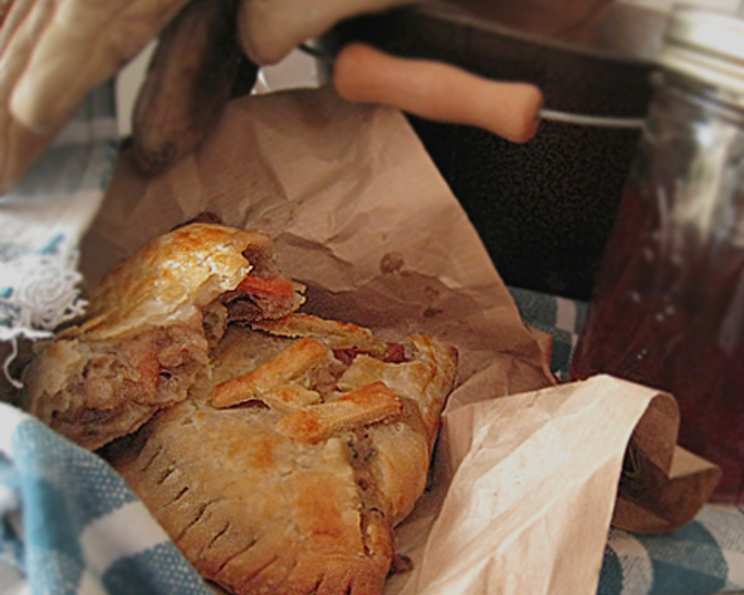
The Quintessential Cornish Pasty: A Taste of Tradition
The scent of warm, buttery pastry filled my grandmother’s kitchen every Saturday morning. A golden-brown Cornish pasty, crimped with a distinctive rope-like edge, sat cooling on the counter, its savory aroma a siren song to my rumbling stomach. She’d tell tales of Cornish miners, their wives crafting these portable feasts to sustain them through long, hard shifts. Each bite was more than just food; it was history, love, and a connection to a heritage I deeply cherished.
Recipe Overview
- Prep Time: 20 minutes
- Cook Time: 45 minutes
- Total Time: 1 hour 5 minutes
- Servings: 4
- Yield: 4 pasties
- Dietary Type: Omnivore
Ingredients
- For the Filling:
- 1 medium potato, peeled and cut into 1/4 inch dice
- 1 medium onion, finely chopped
- 1/2 lb chuck steak or round steak, cut into 1/2 inch cubes
- Salt and pepper to taste
- 1 pinch dried thyme (optional)
- For the Pastry:
- 8 ounces flour (scant 2 cups)
- 2 ounces cold butter, diced
- 2 ounces vegetable shortening or lard, chilled and diced
- Cold water (add ice cubes to keep very cold)
- For the Glaze:
- 1 egg, beaten (to glaze) or milk (to glaze)
Equipment Needed
- Large Mixing Bowl
- Sharp Knife
- Cutting Board
- Rolling Pin
- Small Plate (for trimming)
- Baking Sheet
Instructions
-
Preheat your oven to 425°F (220°C). Ensuring your oven is fully heated is crucial for a crispy, golden crust.
-
In a large bowl, combine the diced potato, chopped onion, cubed chuck steak (or round steak), salt, pepper, and optional dried thyme. Mix thoroughly to ensure the seasonings are evenly distributed. This mixture is the heart of the pasty, so don’t skimp on the seasoning!
-
Prepare the pastry: In a separate large bowl, add the flour. Cut in the cold butter and chilled vegetable shortening (or lard) using a pastry blender or your fingertips until the mixture resembles fine crumbs. Working quickly and keeping the fats cold is essential for a flaky crust.
-
Gradually add cold water: Add about 2 tablespoons of cold water to the flour mixture. Use a fork to mix the water in until a firm dough begins to form. Add more water, a teaspoon at a time, if necessary, until the mixture just holds together. Be careful not to overwork the dough, as this will develop the gluten and result in a tough crust.
-
Knead and divide the dough: Turn the dough out onto a lightly floured surface. Knead it lightly a few times, just until it comes together. Divide the dough into four equal portions.
-
Roll out the pastry: On a lightly floured surface, roll out each quarter of the dough into a 6-7 inch circle. For a perfectly round shape, place a small plate over the pastry and cut around the edge with a small, sharp knife to trim away the excess.
-
Assemble the pasties: Divide the filling evenly between each circle of pastry, placing it on one half of the circle. Wet the edges of the pastry with water. This helps the pastry seal properly.
-
Fold and crimp: Fold the pastry over to form a semi-circle, pressing the edges together firmly to seal. Flute the edges with your fingers to create a decorative and tight seal. A well-crimped edge is essential to prevent the filling from leaking during baking.
-
Glaze and bake: Place the pasties onto a baking sheet lined with parchment paper. Brush the tops of the pasties with beaten egg or milk. This will give them a beautiful golden-brown color.
-
Bake in the preheated oven at 425°F (220°C) for 40-45 minutes, or until the pasties are golden brown and the filling is heated through. The internal temperature should reach at least 160°F (71°C) to ensure the meat is cooked safely.
-
Cool and serve: Remove the pasties from the oven and let them cool slightly on the baking sheet before serving. They can be enjoyed hot or cold.
Expert Tips & Tricks
- Keep everything cold: The key to a flaky crust is cold ingredients. Make sure your butter, shortening (or lard), and water are ice-cold. You can even chill your flour and mixing bowl before you start.
- Don’t overwork the dough: Overworking the dough develops the gluten, resulting in a tough crust. Mix the dough just until it comes together, and knead it lightly only a few times.
- Make ahead: You can prepare the filling and the pastry dough separately ahead of time and store them in the refrigerator. Assemble the pasties just before baking.
- Prevent soggy bottoms: To avoid soggy bottoms, bake the pasties on a preheated baking sheet. This will help to cook the crust evenly. You can also blind bake the crust for 10 minutes before adding the filling.
- Add a vent: Cut a small slit in the top of each pasty to allow steam to escape during baking. This will prevent the crust from becoming soggy.
- For a richer flavor: Brown the beef cubes in a skillet before adding them to the filling. This will add depth of flavor to the pasty.
- Adjust baking time: If your pasties are browning too quickly, lower the oven temperature to 400°F (200°C) and continue baking until the filling is cooked through.
Serving & Storage Suggestions
Cornish pasties are traditionally served as a hearty, standalone meal. They are delicious both hot and cold, making them perfect for picnics or packed lunches. Serve with a side of coleslaw or a simple green salad for a complete meal.
Storage: Leftover pasties can be stored in an airtight container in the refrigerator for up to 3 days. They can also be frozen for up to 2 months. To reheat, bake in a preheated oven at 350°F (175°C) for 15-20 minutes, or until heated through. You can also reheat them in the microwave, but the crust may not be as crispy.
Nutritional Information
| Nutrient | Amount per Serving | % Daily Value |
|---|---|---|
| Calories | 650 kcal | 33% |
| Total Fat | 35g | 54% |
| Saturated Fat | 18g | 90% |
| Cholesterol | 100mg | 33% |
| Sodium | 300mg | 13% |
| Total Carbohydrate | 60g | 20% |
| Dietary Fiber | 5g | 20% |
| Sugars | 3g | – |
| Protein | 25g | 50% |
Note: Nutritional information is an estimate and may vary depending on specific ingredients and portion sizes.
Variations & Substitutions
- Vegetarian Cornish Pasty: Substitute the beef with mushrooms, lentils, or other vegetables.
- Spicy Cornish Pasty: Add a pinch of cayenne pepper or a chopped chili pepper to the filling.
- Gluten-Free Cornish Pasty: Use a gluten-free flour blend to make the pastry. You may need to add a binder, such as xanthan gum, to help the dough hold together.
- Sweet Cornish Pasty: Experiment with sweet fillings like apples, berries, or custard.
- Different Meats: Try using different cuts of beef, such as skirt steak or sirloin, or substitute with lamb or pork.
FAQs (Frequently Asked Questions)
Q: What is the key to a flaky pasty crust?
A: Keeping the ingredients cold, especially the butter and shortening, is crucial for a flaky crust. Avoid overworking the dough as well.
Q: Can I make the pasties ahead of time and freeze them?
A: Yes, Cornish pasties freeze very well. Assemble the pasties, but don’t brush them with egg or milk. Freeze them on a baking sheet until solid, then transfer them to a freezer bag. Bake from frozen, adding about 15-20 minutes to the baking time.
Q: How do I prevent the filling from leaking out during baking?
A: Make sure to seal the edges of the pastry tightly by wetting them with water and crimping them well. Also, don’t overfill the pasties.
Q: Can I use different vegetables in the filling?
A: Absolutely! While potatoes and onions are traditional, you can add other root vegetables like turnips or carrots. Just be sure to dice them into small pieces so they cook through evenly.
Q: What’s the best way to reheat a Cornish pasty?
A: The best way to reheat a Cornish pasty is in the oven at 350°F (175°C) for 15-20 minutes, or until heated through. You can also microwave it, but the crust may not be as crispy.
Final Thoughts
I encourage you to try this authentic Cornish pasty recipe. It’s a taste of history, a slice of comfort, and a testament to the simple, satisfying pleasures of home cooking. Don’t hesitate to personalize it with your own variations and substitutions! Whether you’re a seasoned baker or a kitchen novice, I hope this recipe brings you joy. Share your creations and feedback – I’d love to hear your pasty stories! Perhaps serve it with a pint of local ale to truly transport yourself to the Cornish coast.