
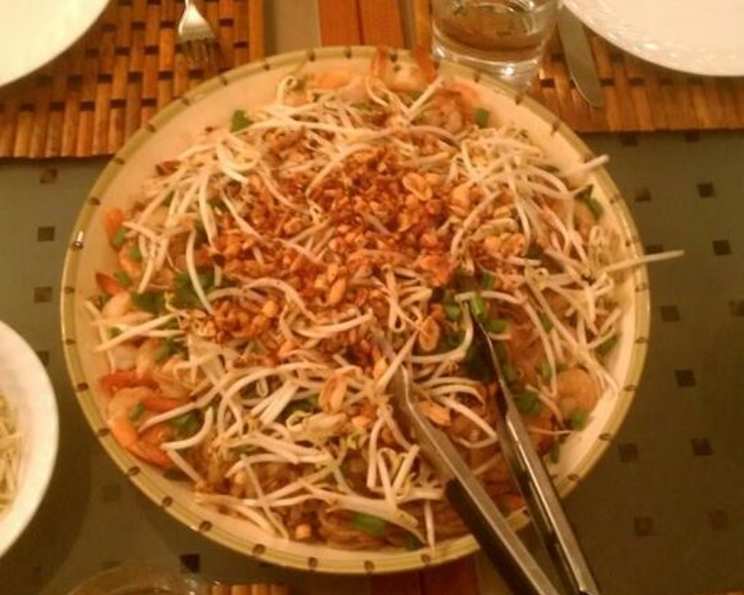
Authentic Pad Thai: A Taste of Bangkok in Your Kitchen
The clatter of woks, the fragrant steam rising from street carts, the symphony of sizzling noodles and chatter – these are the memories that flood back whenever I make Pad Thai. My first trip to Bangkok was a culinary revelation, and nothing captured the city’s vibrant energy quite like the Pad Thai served from a humble stall near the Chao Phraya River. The slightly sweet, tangy, and utterly addictive noodles were a daily ritual, a constant reminder of the adventure unfolding around me. Years later, I still strive to recreate that authentic flavor in my own kitchen.
Recipe Overview
- Prep Time: 15 minutes
- Cook Time: 10 minutes
- Total Time: 25 minutes
- Servings: 1-2
- Dietary Type: Gluten-Free (if using gluten-free fish sauce)
Ingredients
- 3 ½ ounces rice sticks
- 1/3 cup extra firm tofu
- 1 ½ cups Chinese chives, green
- 1 1/3 cups bean sprouts
- 3 garlic cloves, minced
- 1 shallot, minced
- 2 tablespoons vegetable oil
- 2 tablespoons peanuts, crushed
- 1 tablespoon fish sauce
- 2 tablespoons sugar
- 2 tablespoons tamarind pulp
- ½ teaspoon dried arbol chile, ground
- 1 tablespoon preserved turnip
- 1 egg
- 1/3 lb shrimp
- ½ banana flower, sliced lengthwise
- 2 lime wedges
Equipment Needed
- Wok
- Cutting board
- Knife
- Mixing bowls
- Serving plate
Instructions
-
Begin by soaking the dry rice noodles in lukewarm water for 10-15 minutes while you prepare the other ingredients. They should become flexible but not fully cooked.
-
Julienne the tofu and cut it into 1-inch long pieces. Set aside.
-
Cut the Chinese chives into 1-inch long pieces. Reserve a few fresh chives for garnish.
-
Rinse the bean sprouts, saving half for serving fresh.
-
Mince the shallot and garlic together.
-
Heat the vegetable oil in a wok over high heat. It’s crucial that your wok is hot to achieve that signature smoky flavor.
-
Fry the peanuts until toasted and fragrant. Remove them from the wok and set aside.
-
Add the minced shallot, garlic, and tofu to the wok and stir-fry until they begin to brown. This step infuses the oil with flavor and gives the tofu a nice texture.
-
By this point, the noodles should be flexible but not overly expanded. Drain the noodles thoroughly and add them to the wok. Stir quickly to prevent sticking.
-
Add the tamarind pulp, sugar, fish sauce, ground chili pepper, and preserved turnip to the wok. Stir continuously to combine the flavors. Maintain high heat. If your wok isn’t hot enough, you’ll see a lot of liquid accumulate. Increase the heat if this happens.
-
Create a space in the wok by pushing the noodles to one side. Crack the egg into the empty space and scramble it until it’s almost fully cooked. Then, fold the egg into the noodles.
-
Add the shrimp to the wok and stir-fry for about a minute, until they turn pink and opaque. Be careful not to overcook the shrimp.
-
Add the bean sprouts and chives. Stir-fry a few more times until the noodles are soft and well-tangled.
-
Transfer the Pad Thai to a serving plate and sprinkle with the fried peanuts.
-
Serve hot with banana flower, a wedge of lime, raw Chinese chives, and raw bean sprouts.
Expert Tips & Tricks
- Tamarind Paste is Key: The quality of your tamarind paste will greatly impact the final flavor. Look for a thick, dark paste without added sugar.
- High Heat is Your Friend: Pad Thai is a quick stir-fry, so maintain high heat throughout the cooking process to achieve the desired wok hei (wok breath) flavor.
- Don’t Overcrowd the Wok: If you’re making a larger batch, cook the Pad Thai in stages to avoid overcrowding the wok, which can lower the temperature and result in soggy noodles.
- Noodle Texture: The noodles should be chewy but not mushy. If they’re too firm, add a splash of water to the wok and continue cooking until they reach the desired consistency.
- Adjust the Sweetness and Spice: Taste as you go and adjust the sugar and chili to your preference.
Serving & Storage Suggestions
Serve Pad Thai immediately while it’s hot and the noodles are still springy. Garnish generously with the fried peanuts, fresh bean sprouts, Chinese chives, banana flower, and a wedge of lime for squeezing.
Leftovers can be stored in an airtight container in the refrigerator for up to 2 days. Reheat in a wok or frying pan over medium heat, adding a splash of water if needed to prevent the noodles from drying out. Pad Thai is best enjoyed fresh, so freezing is not recommended.
Nutritional Information
| Nutrient | Amount per Serving | % Daily Value |
|---|---|---|
| Calories | 611.8 kcal | N/A |
| Calories from Fat | N/A | 35% |
| Total Fat | 23.8 g | 36% |
| Saturated Fat | 3.8 g | 18% |
| Cholesterol | 252.2 mg | 84% |
| Sodium | 1561.8 mg | 65% |
| Total Carbohydrate | 70.4 g | 23% |
| Dietary Fiber | 3.9 g | 15% |
| Sugars | 20.8 g | N/A |
| Protein | 31.1 g | 62% |
Variations & Substitutions
- Vegetarian Pad Thai: Omit the shrimp and fish sauce. Use soy sauce or a vegetarian fish sauce alternative.
- Chicken Pad Thai: Substitute the shrimp with diced chicken breast.
- Gluten-Free Pad Thai: Ensure you are using rice noodles that are 100% rice and substitute the fish sauce with a gluten-free variety.
- Spicy Pad Thai: Increase the amount of dried arbol chile or add fresh chili peppers to the wok.
- Nut-Free Pad Thai: Replace the peanuts with toasted sesame seeds or sunflower seeds.
- Regional Variations: Experiment with different vegetables, such as carrots, bell peppers, or mushrooms.
FAQs (Frequently Asked Questions)
Q: Can I make Pad Thai ahead of time?
A: While Pad Thai is best enjoyed fresh, you can prep the ingredients ahead of time. Soak the noodles, chop the vegetables, and prepare the sauce in advance.
Q: What if I can’t find tamarind pulp?
A: Tamarind concentrate is a suitable substitute. Start with a smaller amount and adjust to taste, as it can be more potent than tamarind pulp.
Q: How do I prevent the noodles from sticking together?
A: Ensure the wok is hot and the noodles are properly drained before adding them to the wok. Stir continuously to prevent sticking.
Q: Can I use different types of noodles?
A: While rice sticks are traditional, you can experiment with other types of rice noodles. Adjust the soaking time accordingly.
Q: How do I make Pad Thai less sweet?
A: Reduce the amount of sugar in the recipe or add a squeeze of lime juice to balance the sweetness.
Final Thoughts
Pad Thai is more than just a dish; it’s an experience. It’s a celebration of flavors, textures, and the vibrant culture of Thailand. Don’t be intimidated by the list of ingredients – once you have everything prepped, the cooking process is quick and easy. So, gather your ingredients, fire up your wok, and embark on a culinary adventure to Bangkok. I encourage you to experiment with different variations and find your own perfect Pad Thai. Share your creations and feedback, and perhaps pair your homemade Pad Thai with a refreshing Thai iced tea for the ultimate at-home dining experience.