
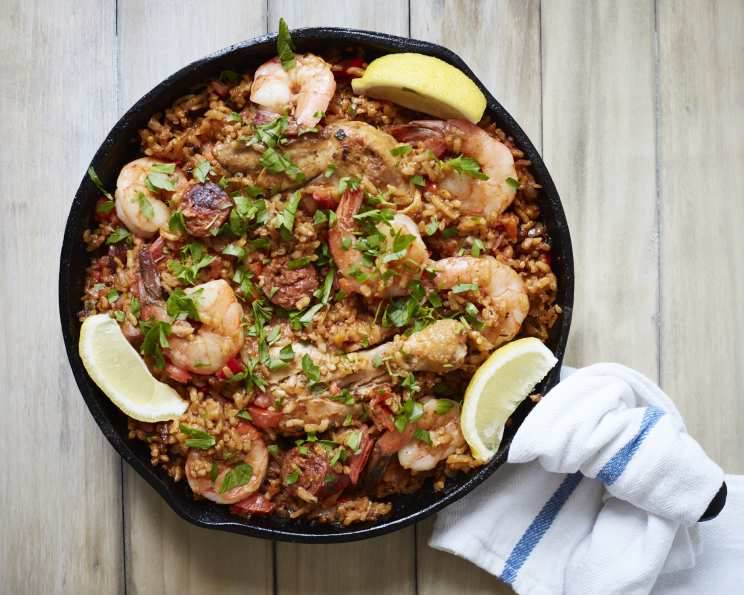
Authentic Spanish Paella: A Taste of Valencia
The first time I tasted truly authentic paella, I was a wide-eyed culinary student backpacking through Spain. It was in a small, family-run restaurant just outside Valencia, the dish’s birthplace. The aroma alone, a symphony of saffron, seafood, and smoky chorizo, transported me. I remember the vibrant colors of the rice, studded with plump shrimp and perfectly browned rabbit, and the convivial atmosphere as the family shared stories and laughter around the table. It was more than just a meal; it was an experience, a taste of Spanish culture that I’ve been chasing ever since.
Recipe Overview
- Prep Time: 30 minutes
- Cook Time: 1 hour
- Total Time: 1 hour 30 minutes
- Servings: 6-8
- Yield: One 18-inch paella
- Dietary Type: Varies depending on ingredients – can be adapted to be gluten-free
Ingredients
- 3 cups bomba or calasparra rice (arborio risotto works as a substitute)
- 8 cups chicken stock
- 1 large onion, diced
- 3 garlic cloves, minced
- 1 large bell pepper, diced
- 10-15 flat green beans
- 4 plum tomatoes, diced
- 0.5 (4 ounce) can tomato paste
- 15 large shrimp (feel free to add clams, calamari, prawns or mussels)
- 2-3 lbs rabbit
- 4 links chorizo sausages, frito sliced into 1 inch pieces
- ½ cup fresh parsley
- 2-3 tablespoons fresh thyme
- ½ tablespoon paprika
- 1 pinch saffron
- 3 lemons, quartered
- Olive oil
- Salt
Equipment Needed
- 18-inch Paella pan
- Weber grill or stovetop
- Large knife
- Cutting board
Instructions
- Before you even think about turning on the heat, ensure all your ingredients are prepped and ready to go. This is crucial for a smooth and successful paella.
- Prepare the rabbit by separating the legs and cutting the remaining meat into small, bite-sized pieces. Lightly salt the rabbit. If you can’t find rabbit (it’s seasonal in some areas), you can substitute with chicken legs.
- Peel your shrimp, leaving only the tails intact. Then, salt them generously. Note that in Spain, it’s common to leave the shrimp unshelled, so feel free to adjust to your preference.
- Ideally, your chicken stock should be homemade. If you have the time, add a sprig of rosemary, a tiny pinch of saffron, and a touch of thyme to your homemade stock. This elevates the flavor profile significantly. If you’re using bouillon, simmer it with these herbs and then strain it before using to infuse the flavors. Remember to keep the stock hot but not boiling as you cook.
- Coat the bottom of your paella pan generously with olive oil.
- Brown the chorizo over high heat for 1-2 minutes. Don’t cook it all the way through; you just want to achieve a nice, deep brown exterior. Remove the chorizo from the pan and set it aside. This step is important because it releases the chorizo’s flavorful oils into the pan, which will infuse the rest of the paella.
- Now, brown the rabbit in the same oil for 2-3 minutes. Again, the goal isn’t to cook it through but to develop a flavorful crust. Set the rabbit aside with the chorizo.
- Add the diced onion, minced garlic, and diced bell pepper to the pan. Sauté them until they’re softened, then add the diced plum tomatoes shortly before they’re finished. Cook until the tomatoes have released some of their juices.
- Push the vegetables to one side of the pan and add the half can of tomato paste to the other side. Caramelize the tomato paste by flipping it and spreading it until it begins to loosen (this should take 1-2 minutes over high heat). Caramelizing the tomato paste adds depth and sweetness to the paella.
- Mix all of the vegetables and meats together with the caramelized tomato paste. Add the paprika, parsley, and thyme.
- Add the rice, mixing it together with the other ingredients. Stir as the rice browns (this should take about 1-1 ½ minutes). As the rice browns, add the saffron. Make sure to break the saffron threads between your fingers as you stir them in to release their aromatic oils.
- Once the rice is slightly translucent, add enough chicken stock to cover the entire mixture. If the stock has been kept warm, it should begin to boil almost immediately. Lower the heat to medium, but maintain a steady boil.
- This is where paella is truly made or broken. Stir the paella a few times in the first 5-10 minutes, adding broth as necessary to keep the rice fully covered. After this initial stirring, you must let the paella SIT! Allow it to cook for another 10-20 minutes (this step may take longer on a stovetop), adding broth bit by bit to keep the rice submerged until the rice on the top is al dente. Don’t worry about the rice burning to the bottom; this part (called socarrat) is a prized delicacy.
- Once you’ve stirred the paella for the last time and are letting it cook undisturbed, lay the shrimp on top when you have about 8 minutes left in the cooking time. Turn the shrimp over after 2-4 minutes to cook the other side.
- When the rice on top is still quite al dente, remove the paella from the heat and cover it. Let it sit for 15-20 minutes. Resist the urge to remove the lid prematurely; patience is key!
- After the resting period, uncover the paella, garnish with lemon wedges, and serve immediately.
Expert Tips & Tricks
- The Socarrat Secret: Don’t be afraid of the bottom layer of rice crisping up! This crispy, caramelized layer, known as socarrat, is a hallmark of a well-made paella and adds a delicious textural contrast. Listen for a faint crackling sound towards the end of the cooking process – that’s your cue that the socarrat is forming.
- Rice is King: Using the right rice is paramount. Bomba or Calasparra rice are ideal because they absorb liquid well without becoming mushy. Arborio rice is a decent substitute, but try to source the Spanish varieties for the most authentic flavor and texture.
- Don’t Overcrowd the Pan: Make sure you’re using a pan that’s large enough to allow the rice to cook evenly. Overcrowding will result in uneven cooking and a less desirable texture.
Serving & Storage Suggestions
Serve your paella straight from the pan for a truly authentic presentation. Garnish generously with lemon wedges and fresh parsley. Paella is best enjoyed immediately, as the flavors are most vibrant when freshly cooked.
If you have leftovers, store them in an airtight container in the refrigerator for up to 2 days. To reheat, add a splash of chicken broth and gently warm it in a pan over low heat, or microwave in short intervals, stirring occasionally, to prevent drying. Freezing is not recommended, as it can significantly alter the texture of the rice.
Nutritional Information
Note: Nutritional information is an estimate and can vary based on specific ingredients and portion sizes.
| Nutrient | Amount per Serving | % Daily Value |
|---|---|---|
| Calories | 913 kcal | N/A |
| Calories from Fat | 258 g | N/A |
| Total Fat | 28.7 g | 44% |
| Saturated Fat | 9.6 g | 47% |
| Cholesterol | 149.9 mg | 49% |
| Sodium | 1183.3 mg | 49% |
| Total Carbohydrate | 101.2 g | 33% |
| Dietary Fiber | 4.7 g | 18% |
| Sugars | 10.2 g | N/A |
| Protein | 58.6 g | 117% |
Variations & Substitutions
- Seafood Extravaganza: Feel free to add clams, mussels, calamari, or prawns to your paella for an even more impressive seafood medley.
- Vegetarian Paella: Omit the meat and seafood and load up on vegetables like artichoke hearts, asparagus, and mushrooms. Use vegetable broth instead of chicken stock.
- Chicken and Chorizo Paella: If rabbit is unavailable, simply double the amount of chorizo and use chicken legs instead.
- Spicy Paella: Add a pinch of red pepper flakes to the sofrito (the onion, garlic, and pepper mixture) for a little heat.
FAQs (Frequently Asked Questions)
Q: What kind of pan is best for making paella?
A: A wide, shallow paella pan is ideal, as it allows for even cooking and maximum surface area for the socarrat to form.
Q: Can I make paella on the stovetop?
A: Yes, you can make paella on the stovetop, but it may take a bit longer to cook. Use a large, wide pan and adjust the heat as needed to maintain a steady simmer.
Q: How do I know when the paella is done?
A: The rice should be al dente on top, and you should hear a faint crackling sound from the bottom of the pan, indicating the formation of the socarrat.
Q: Can I prepare the ingredients in advance?
A: Yes, you can chop the vegetables and prepare the meat ahead of time to save time on the day of cooking.
Q: What do I do if my paella is too dry?
A: Add a little more hot chicken stock to the pan and cover it for a few more minutes to allow the rice to absorb the liquid.
Final Thoughts
Making authentic Spanish paella may seem daunting at first, but with a little practice and attention to detail, you can create a truly memorable dish that will transport you straight to the shores of Valencia. Don’t be afraid to experiment with different ingredients and variations to find your own perfect paella recipe. Gather your friends and family, pour a glass of Spanish wine, and enjoy the vibrant flavors of this iconic dish. I encourage you to try this recipe and I welcome any feedback you may have! ¡Buen provecho!