
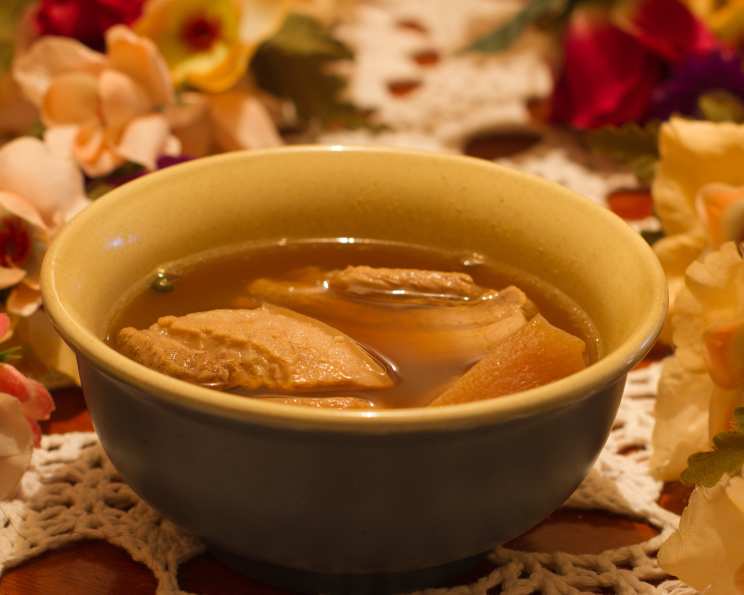
The Soul-Warming Embrace of Bak Ku Teh: A Culinary Journey
The first time I tasted Bak Ku Teh, I was wandering through the bustling hawker centers of Singapore, the air thick with a symphony of exotic aromas. A small stall, barely bigger than a closet, beckoned me with its steaming pots and the promise of something special. The rich, dark broth, infused with the heady scent of star anise and pepper, cradled tender pork ribs that practically melted in my mouth. It wasn’t just a soup; it was an experience, a comforting hug on a humid evening that etched itself into my memory. From that day on, I knew I had to recreate this remarkable dish.
Recipe Overview
- Prep Time: 10 minutes
- Cook Time: 50 minutes
- Total Time: 1 hour
- Servings: 4-6
- Yield: About 6 cups
- Dietary Type: Not suitable for Vegetarian/Vegan; potentially Gluten-Free (check soy sauce)
Ingredients
- 1 lb pork back ribs, chopped into 2-inch lengths
- 1 large garlic clove, crushed
- 6 cups water
- 1 cinnamon stick
- 3 whole star anise
- 1 teaspoon whole white peppercorns
- 1 1/2 teaspoons sugar
- 3 teaspoons salt
- 3 tablespoons dark soy sauce (to taste)
- Soy sauce (optional, for dipping)
- Red chile, thinly sliced (optional, for dipping)
- Steamed white rice (optional, for serving)
Equipment Needed
- Large saucepan or stockpot
- Deep bowls for serving
- Small bowls (optional, for dipping sauce)
Instructions
- In a large saucepan or stockpot, combine the pork ribs, crushed garlic, and water.
- Bring the mixture to a boil over high heat. Let it boil for about 5 minutes. This initial boiling helps to remove impurities from the pork.
- As the mixture boils, you’ll notice scum rising to the surface. Use a spoon or ladle to carefully skim and discard this scum. This step is crucial for a clean, flavorful broth.
- Once you’ve removed the scum, add the cinnamon stick, star anise, white peppercorns, sugar, salt, and dark soy sauce to the saucepan.
- Reduce the heat to low, so the soup is simmering gently. Cover the saucepan and let it simmer until the pork is tender, which usually takes about 45 minutes. Check the pork for tenderness by piercing it with a fork; it should yield easily.
- Before serving, use a ladle or spoon to discard the excess fat that has accumulated on the surface of the soup. This will result in a lighter, more palatable broth.
- Serve the Bak Ku Teh in deep bowls, ensuring each serving contains 3 to 4 pieces of pork rib.
- Optional dipping sauce: In small bowls, combine soy sauce and thinly sliced red chiles to taste. This adds a spicy, savory kick to the pork ribs.
- Serve a bowl of steamed white rice on the side to soak up the delicious broth.
Expert Tips & Tricks
- Spice Level Adjustment: Adjust the number of peppercorns to control the spiciness. If you prefer a milder flavor, reduce the amount. For a more intense kick, lightly crush the peppercorns before adding them to the soup.
- Pork Rib Selection: Choose meaty pork back ribs for the best flavor and texture. Look for ribs with a good amount of marbling, as this will contribute to a richer broth.
- Deepen the Color: For a darker, richer color in your broth, you can caramelize a small amount of sugar in the pot before adding the water. Be careful not to burn the sugar.
- Garlic Infusion: Instead of just crushing the garlic, you can lightly fry it in a bit of oil before adding it to the soup. This will release more of its aromatic oils and enhance the garlic flavor.
- Herb Pouch: To make it easier to remove the spices later, you can place the cinnamon stick, star anise, and peppercorns in a cheesecloth bag or tea infuser.
- Make-Ahead Tip: You can prepare the Bak Ku Teh a day in advance. This allows the flavors to meld and deepen even further. Simply refrigerate the soup overnight and reheat it before serving. Remember to remove the solidified fat on top before reheating.
Serving & Storage Suggestions
Serve Bak Ku Teh hot, garnished with fresh cilantro or chopped scallions for a pop of color and freshness. The optional dipping sauce of soy sauce and chili adds a delightful contrast to the rich, savory soup.
Leftovers can be stored in an airtight container in the refrigerator for up to 3 days. For longer storage, freeze the soup in individual portions for up to 2 months. To reheat, thaw the soup in the refrigerator overnight and then gently warm it on the stovetop or in the microwave. Add a splash of water if needed to adjust the consistency.
Avoid leaving Bak Ku Teh at room temperature for more than 2 hours, as this can increase the risk of bacterial growth.
Nutritional Information
| Nutrient | Amount per Serving | % Daily Value |
|---|---|---|
| Calories | 320 kcal | 16% |
| Total Fat | 19g | 29% |
| Saturated Fat | 7g | 35% |
| Cholesterol | 80mg | 27% |
| Sodium | 2700mg | 113% |
| Total Carbohydrate | 3g | 1% |
| Dietary Fiber | 0g | 0% |
| Sugars | 2g | – |
| Protein | 25g | 50% |
Note: Nutritional information is an estimate and can vary based on specific ingredients and serving sizes.
Variations & Substitutions
- Herbal Bak Ku Teh: Add traditional Chinese herbs like dang gui (angelica root), goji berries, and codonopsis to enhance the medicinal properties and flavor of the soup. These herbs can be found at most Asian grocery stores.
- Mushroom Addition: Include dried shiitake mushrooms for an earthy, umami flavor. Soak the mushrooms in hot water for 30 minutes before adding them to the soup.
- Vegetarian “Bak Ku Teh”: While not traditional, you can create a vegetarian version using firm tofu or seitan in place of pork ribs. Use a hearty vegetable broth as a base and add extra mushrooms and vegetables for flavor. Omit the dark soy sauce to make it gluten-free.
- Spicier Version: Add dried chili peppers or chili oil to the soup for a more intense heat.
- Short Ribs: While back ribs are traditional, beef or pork short ribs also work well, providing a meatier option. Adjust cooking time accordingly.
FAQs (Frequently Asked Questions)
Q: Why is it called Bak Ku Teh (Pork Bone Tea)?
A: The “teh” in Bak Ku Teh refers to the strong, tea-like broth that is infused with herbs and spices. It’s not actually made with tea leaves.
Q: Can I use pre-ground white pepper instead of whole peppercorns?
A: While you can, whole peppercorns provide a fresher, more aromatic flavor. If using ground pepper, add it towards the end of the cooking time to prevent it from becoming bitter.
Q: How can I reduce the sodium content of the soup?
A: Use low-sodium soy sauce and reduce the amount of salt added. You can also compensate with other flavorful ingredients like garlic, ginger, and herbs.
Q: Can I cook Bak Ku Teh in a slow cooker?
A: Yes, you can adapt this recipe for a slow cooker. Combine all the ingredients in the slow cooker and cook on low for 6-8 hours or on high for 3-4 hours, or until the pork is very tender.
Q: What is the best way to reheat frozen Bak Ku Teh?
A: Thaw the frozen soup in the refrigerator overnight. Reheat it gently on the stovetop or in the microwave, adding a splash of water if needed to adjust the consistency. Make sure it is heated through before serving.
Final Thoughts
Bak Ku Teh is more than just a soup; it’s a culinary journey that transports you to the heart of Southeast Asia. The complex blend of spices, the tender pork ribs, and the soul-warming broth create an unforgettable dining experience. I encourage you to try this recipe and discover the magic of Bak Ku Teh for yourself. Feel free to experiment with variations and adjustments to suit your own taste preferences. Don’t be afraid to share your creations and feedback – I’d love to hear about your Bak Ku Teh adventures! Enjoy this comforting and flavorful dish with friends and family, and let it become a cherished part of your culinary repertoire. Pair it with a crisp Asian beer or a light green tea for the perfect accompaniment.