
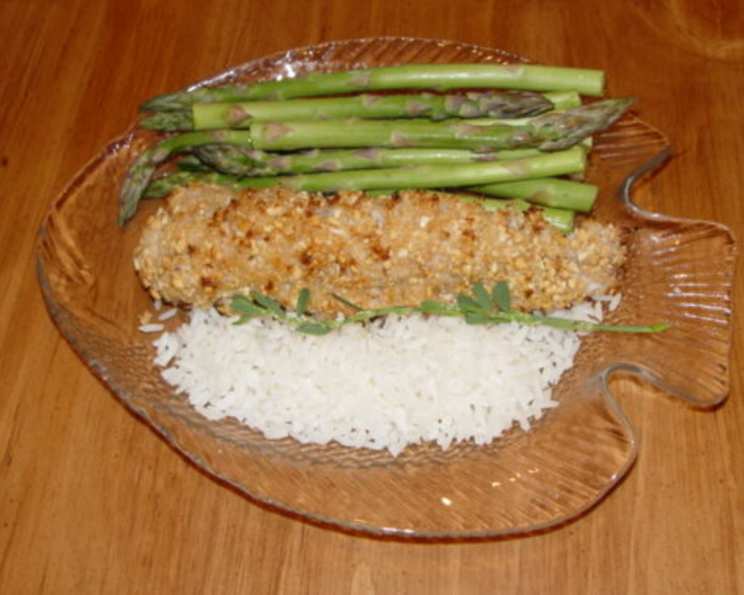
Baked Croaker with Cracked Peanuts: A Coastal Delight
The memory is so clear: a rickety wooden dock stretching out into the golden-tinged water of the Chesapeake Bay. My grandfather, a weathered waterman with hands like gnarled driftwood, patiently untangled my fishing line, a mischievous grin playing on his lips. He’d always say, “The sweetest fish swim closest to the bottom, darlin’.” While I usually aimed for rockfish, his simple baked croaker, seasoned with whatever he had on hand – often peanuts and a dash of pepper – was a revelation. That sweet, flaky fish, kissed by the oven’s heat and coated with crunchy peanuts, was the taste of summer, of family, and of a life lived close to the water. It’s a taste I try to recapture every time I prepare this simple dish.
Recipe Overview
- Prep Time: 10 minutes
- Cook Time: 10 minutes
- Total Time: 20 minutes
- Servings: 1
- Dietary Type: Pescatarian
Ingredients
- 1 croaker fish, cleaned
- Vegetable oil
- Toast (1 slice)
- Peanuts (1/4 cup)
- Pepper to taste
Equipment Needed
- Baking pan
- Oven
- Cutting board
- Knife
Instructions
-
Begin by preheating your oven to a high temperature of 500 degrees Fahrenheit. Place a baking pan inside the oven while it preheats. This ensures a hot surface for the fish, resulting in a beautifully crisp exterior.
-
While the oven heats, prepare the croaker. If you purchased the fish whole, ensure it is thoroughly cleaned. You can leave the central bone strip intact; it helps the fish retain moisture during baking. Pat the fish dry with paper towels.
-
Next, lightly coat the croaker with vegetable oil. This will help the peanut crust adhere and promote even browning. Ensure all surfaces of the fish are lightly oiled.
-
Now for the star of the show: the peanut crust. Finely chop the peanuts until they resemble coarse bread crumbs. Toasting the slice of toast gives it extra crunch. Crush the toast into crumbs and combine it with the chopped peanuts. This mixture will create a flavorful and textured coating for the fish.
-
Thoroughly roll the oiled fish in the peanut/toast crumb mixture, pressing gently to ensure the crumbs adhere. Sprinkle generously with pepper. The amount of pepper is up to you.
-
Carefully remove the preheated baking pan from the oven. Place the crumb-coated croaker directly onto the hot pan.
-
Return the pan to the oven and bake at 500 degrees Fahrenheit for just 10 minutes. The high heat and short cooking time will ensure the fish is cooked through but remains moist and flaky. Overcooking will result in a dry, tough fish.
Expert Tips & Tricks
- Don’t overcrowd the pan: If baking multiple croakers, use a large enough pan or multiple pans to avoid overcrowding. Overcrowding can steam the fish instead of baking it.
- Use skin-on fillets: For even more flavor and crispy skin, use skin-on croaker fillets instead of whole fish.
- Adjust cooking time based on thickness: The 10-minute cooking time is optimal for a standard-sized croaker. If your fish is particularly thick, you may need to add a minute or two. Use a fork to gently flake the fish to check for doneness.
- Add some zest: A little lemon or lime zest to the peanut mixture adds a wonderful brightness.
- Spice it up: Add a pinch of cayenne pepper or red pepper flakes to the peanut mixture for a kick.
Serving & Storage Suggestions
Serve the baked croaker immediately while it is hot and the peanut crust is still crisp. It pairs beautifully with a simple side salad, steamed green beans, or roasted potatoes. A squeeze of fresh lemon juice over the fish just before serving enhances the flavor.
Leftovers can be stored in an airtight container in the refrigerator for up to 2 days. To reheat, gently warm the fish in a preheated oven at 300 degrees Fahrenheit until heated through. Reheating in a skillet with a little oil is another option. Microwaving is not recommended as it can make the fish rubbery. While freezing is possible, it can affect the texture of the fish, so it’s best consumed fresh or within a couple of days.
Nutritional Information
| Nutrient | Amount per Serving | % Daily Value |
|---|---|---|
| Calories | 320 kcal | 16% |
| Total Fat | 20g | 31% |
| Saturated Fat | 3g | 15% |
| Cholesterol | 80mg | 27% |
| Sodium | 150mg | 7% |
| Total Carbohydrate | 15g | 5% |
| Dietary Fiber | 2g | 8% |
| Sugars | 2g | – |
| Protein | 20g | 40% |
Note: Nutritional information is an estimate and may vary based on specific ingredients and portion sizes.
Variations & Substitutions
- Gluten-Free: Use gluten-free toast or bread crumbs and ensure the peanut butter is gluten-free.
- Nut-Free: Substitute sunflower seeds or pumpkin seeds for the peanuts.
- Herbaceous: Add chopped fresh herbs like parsley, dill, or thyme to the peanut mixture.
- Spicy Peanut Crust: Incorporate a pinch of cayenne pepper or a dash of hot sauce into the peanut mixture for a spicy kick.
- Other Fish: While this recipe is designed for croaker, it also works well with other mild white fish like flounder, whiting, or tilapia. Adjust cooking time as needed based on the thickness of the fish.
- Cracker Meal: Substitute cracker meal for the toast crumbs for a different texture and flavor.
FAQs (Frequently Asked Questions)
Q: Can I use salted peanuts?
A: Yes, you can use salted peanuts, but be mindful of the overall saltiness of the dish. You may want to reduce or omit additional salt.
Q: Can I prepare the fish ahead of time?
A: You can coat the fish with the peanut mixture a few hours in advance and keep it refrigerated. However, for the best results, bake it immediately before serving to maintain the crispiness of the crust.
Q: How do I know when the fish is cooked through?
A: The fish is done when it flakes easily with a fork and is opaque throughout. The internal temperature should reach 145 degrees Fahrenheit.
Q: What if I don’t have toast?
A: You can substitute bread crumbs or cracker crumbs for the toast.
Q: Can I use a different type of oil?
A: Yes, you can use other neutral oils such as canola oil or grapeseed oil in place of vegetable oil.
Final Thoughts
This baked croaker with cracked peanuts is more than just a recipe; it’s a taste of home, a reminder of simple pleasures, and a celebration of fresh, flavorful ingredients. I encourage you to try this recipe and experience the delight of this coastal classic. Feel free to adapt it to your liking, experiment with different variations, and share your feedback. Pair it with a crisp white wine or a refreshing iced tea for the perfect meal. Happy cooking!