
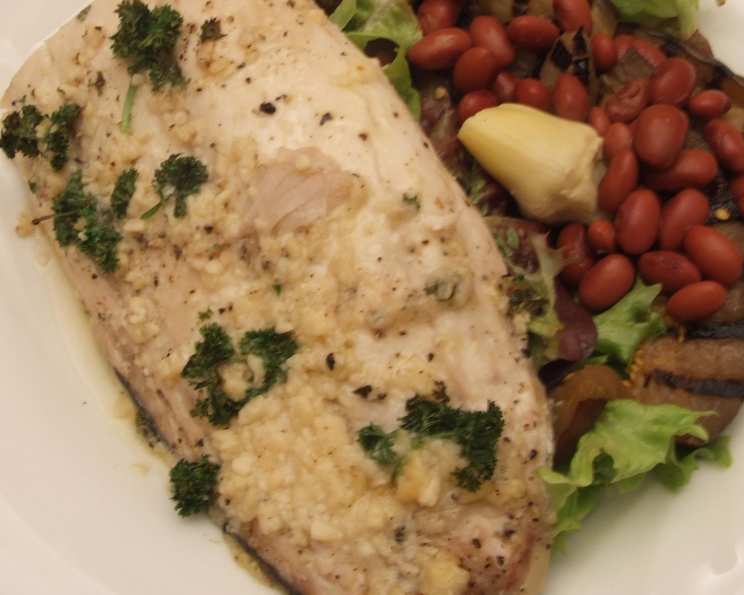
Perfectly Baked Fish Fillets: A Simple & Flavorful Delight
I remember when I first started cooking, intimidated by the thought of preparing fish. It seemed so delicate, so prone to overcooking. But one evening, my grandmother, a woman whose kitchen wisdom I deeply cherished, showed me this simple method for baking fish fillets. She assured me that even a novice could achieve perfectly flaky, tender fish every time. The aroma of lemon, garlic, and parsley filled her cozy kitchen that day, and with each bite, my fear of cooking fish began to melt away. This recipe is a tribute to her patient guidance and the delicious memories we created together.
Recipe Overview
- Prep Time: 5 minutes
- Cook Time: 10-15 minutes
- Total Time: 15-20 minutes
- Servings: 4
- Dietary Type: Pescatarian, Gluten-Free, Dairy-Free
Ingredients
- 4 flounder fillets, 6 oz. each (or other whitefish variety)
- 1 tablespoon extra virgin olive oil
- 2 tablespoons white wine
- Chopped fresh garlic (to taste)
- Chopped fresh parsley (to taste)
- Fresh lemon juice (to taste)
- Salt and pepper (to taste)
- Lemon wedge (to garnish)
Equipment Needed
- Baking dish
- Non-stick cooking spray
- Small bowl (optional, for mixing marinade)
Instructions
-
Preheat your oven to 350 degrees F (175 degrees C). This moderate temperature ensures even cooking and prevents the fish from drying out.
-
Lightly spray a baking dish with non-stick cooking spray. This simple step prevents the fish from sticking and makes cleanup a breeze. Consider using a glass or ceramic baking dish for best results.
-
Arrange the flounder fillets (or other whitefish) in the prepared baking dish. Ensure the fillets are not overcrowded; if necessary, use two dishes. This promotes even cooking.
-
In a small bowl (optional, but recommended for even distribution), combine the olive oil, white wine, chopped garlic, chopped parsley, and fresh lemon juice. Season generously with salt and pepper. You can adjust the amount of garlic, parsley, and lemon juice to your preference.
-
Pour the mixture evenly over the fish fillets, ensuring each fillet is well coated. The marinade will infuse the fish with flavor and help keep it moist during baking.
-
Bake for 10-15 minutes, or until the fish flakes easily with a fork. The exact baking time will depend on the thickness of the fillets and your oven. Start checking for doneness at 10 minutes to avoid overcooking. The fish is done when it is opaque and easily separates into flakes.
-
Serve immediately with fresh lemon wedges for garnish. The lemon wedges add a bright, zesty finish that complements the delicate flavor of the fish.
Expert Tips & Tricks
-
Don’t Overcook: Overcooked fish is dry and rubbery. Check for doneness frequently and remove the fish from the oven as soon as it flakes easily.
-
Use Fresh Herbs: Fresh herbs make a huge difference in the flavor of this dish. If you don’t have fresh parsley, you can use dried, but use about half the amount.
-
Adjust the Marinade: Feel free to adjust the marinade to your taste. Add a pinch of red pepper flakes for a little heat, or a dash of Dijon mustard for a tangier flavor.
-
Thicker Fillets: If you are using thicker fillets, you may need to increase the baking time by a few minutes.
-
Preventing sticking: To guarantee non-sticking, consider placing a parchment paper liner in the baking dish before arranging the fillets.
-
Broiling for color: For a beautiful golden top, broil for the last minute or two of cooking, watching very carefully to prevent burning.
Serving & Storage Suggestions
Serve the baked fish fillets immediately while they are hot and tender. This dish pairs beautifully with a variety of sides, such as steamed vegetables (asparagus, broccoli, or green beans), a simple salad, rice, or roasted potatoes. For a complete meal, consider serving with a side of quinoa or couscous.
Leftover baked fish fillets can be stored in an airtight container in the refrigerator for up to 2 days. To reheat, gently warm in a preheated oven at 300 degrees F (150 degrees C) for about 5-10 minutes, or until heated through. Microwaving is also an option, but the fish may become slightly drier. Freezing is not recommended, as the texture of the fish may change upon thawing. It is best consumed fresh for optimal flavor and texture.
Nutritional Information
| Nutrient | Amount per Serving | % Daily Value |
|---|---|---|
| Calories | 184 kcal | N/A |
| Calories from Fat | 47 kcal | N/A |
| Total Fat | 5.3 g | 8% |
| Saturated Fat | 0.9 g | 4% |
| Cholesterol | 78.2 mg | 26% |
| Sodium | 132.5 mg | 5% |
| Total Carbohydrate | 0.2 g | 0% |
| Dietary Fiber | 0 g | 0% |
| Sugars | 0.1 g | 0% |
| Protein | 30.7 g | 61% |
Note: Nutritional information is an estimate and may vary based on specific ingredients and portion sizes.
Variations & Substitutions
-
Different Fish: Feel free to substitute other whitefish varieties such as cod, haddock, tilapia, or sea bass for the flounder fillets. Adjust the baking time accordingly based on the thickness of the fillets.
-
Herb Variations: Experiment with different herbs in the marinade. Thyme, oregano, dill, or rosemary would all be delicious additions or substitutions for the parsley.
-
Citrus Zest: Add a teaspoon of lemon or orange zest to the marinade for a more intense citrus flavor.
-
Spicy Kick: Add a pinch of red pepper flakes or a dash of hot sauce to the marinade for a little heat.
-
Wine Substitution: If you don’t have white wine on hand, you can substitute chicken broth or vegetable broth.
-
Garlic Powder: In a pinch, garlic powder can be used instead of fresh garlic. Use about 1/2 teaspoon of garlic powder for every clove of garlic.
FAQs (Frequently Asked Questions)
Q: Can I use frozen fish fillets for this recipe?
A: Yes, but be sure to thaw the fish completely before baking. Pat the fillets dry with paper towels to remove any excess moisture.
Q: How do I know when the fish is done?
A: The fish is done when it flakes easily with a fork and is opaque throughout. The internal temperature should reach 145 degrees F (63 degrees C).
Q: Can I prepare the fish ahead of time?
A: You can prepare the marinade ahead of time and store it in the refrigerator for up to 24 hours. However, it’s best to add the marinade to the fish just before baking.
Q: What if I don’t have white wine?
A: Chicken broth or vegetable broth can be used as a substitute for white wine. You can also use a splash of extra lemon juice.
Q: Can I bake this fish with vegetables?
A: Absolutely! Add sliced bell peppers, onions, zucchini, or other vegetables to the baking dish along with the fish. The vegetables will roast alongside the fish and absorb the delicious flavors of the marinade.
Final Thoughts
This baked fish fillet recipe is a testament to the fact that simple ingredients and techniques can yield extraordinary results. It’s a dish that’s both healthy and delicious, perfect for a quick weeknight meal or a more elegant dinner party. Don’t be afraid to experiment with different herbs and spices to create your own signature flavor. I hope this recipe becomes a staple in your kitchen, bringing you as much joy and deliciousness as it has brought me. And remember, cooking is all about sharing love through food, so gather your loved ones, try this recipe, and let the flavors speak for themselves. Consider pairing this delightful dish with a crisp Sauvignon Blanc or a light Pinot Grigio for a truly memorable culinary experience. Bon appétit!