
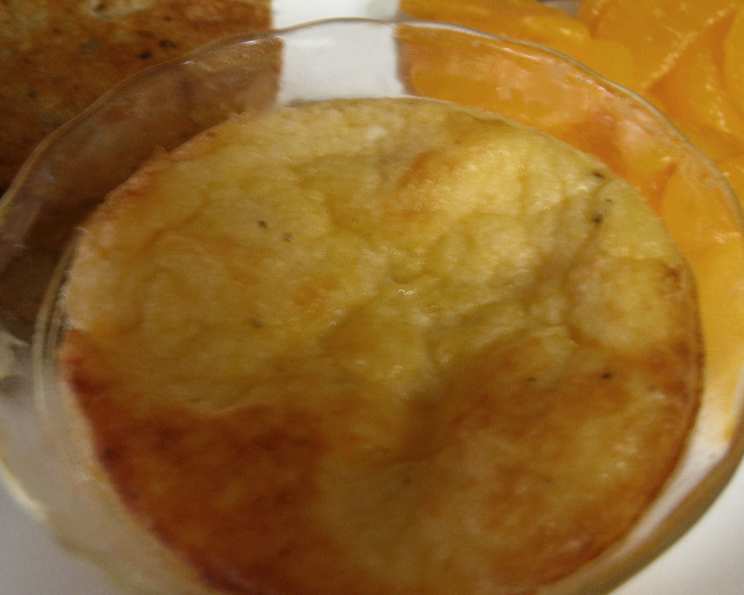
Baked Hominy Grits with Cheese: A Southern Comfort Classic
I still remember the first time I tasted cheesy grits. It wasn’t in some fancy restaurant, but at my grandmother’s kitchen table in rural Alabama. The aroma of warm corn and melting cheese filled the air, instantly making me feel at home. She served it alongside crispy bacon and perfectly fried eggs, a breakfast fit for a king (or a hungry grandchild). Every bite was a comforting blend of creamy and savory, a taste I’ve been chasing ever since. This recipe is my attempt to recapture that cherished memory, bringing a little bit of Southern sunshine to your kitchen.
Recipe Overview
- Prep Time: 10 minutes
- Cook Time: 40 minutes
- Total Time: 50 minutes
- Servings: 6
- Yield: 1 casserole
- Dietary Type: Vegetarian
Ingredients
- 2 cups water
- 2 cups milk
- 1 teaspoon salt
- 1 cup hominy grits (stone-ground recommended)
- 2 eggs, slightly beaten
- 1 cup sharp cheddar cheese, grated
- 2 tablespoons butter
Equipment Needed
- Saucepan
- Whisk
- Measuring cups and spoons
- 1-quart casserole dish
- Mixing bowl
Instructions
- Preheat your oven to 350°F (175°C). Prepare the casserole dish by lightly buttering it. This will prevent the grits from sticking and make serving easier.
- In a medium saucepan, combine the water, milk, and salt. Bring the mixture to a rolling boil over medium-high heat.
- Once boiling, gradually whisk in the hominy grits, making sure to stir constantly to prevent lumps from forming.
- Reduce the heat to low, and allow the grits to simmer. If using quick-cooking grits, simmer for about 5 minutes, stirring occasionally. For regular grits, simmer for approximately 30 minutes, stirring frequently to prevent sticking and ensure even cooking. The grits should thicken considerably and become smooth and creamy.
- Remove the saucepan from the heat. In a separate mixing bowl, lightly beat the eggs. Temper the eggs by slowly drizzling a small amount of the hot grits into the beaten eggs, whisking constantly. This prevents the eggs from scrambling when added to the hot mixture.
- Pour the tempered egg mixture back into the saucepan with the remaining grits. Stir well to combine, ensuring the eggs are fully incorporated.
- Add the grated sharp cheddar cheese to the grits mixture. Stir until the cheese is completely melted and evenly distributed throughout. The mixture should be smooth and cheesy.
- Pour the cheesy grits into the prepared buttered 1-quart casserole dish.
- Dot the top of the grits with the butter, distributing it evenly. This will add richness and help the top brown nicely.
- Bake in the preheated oven for 40 minutes, or until the grits are lightly browned and set. A toothpick inserted into the center should come out clean, although the grits will still be slightly soft.
- Remove from the oven and let cool slightly before serving.
Expert Tips & Tricks
- Stone-ground grits vs. quick-cooking grits: For the best flavor and texture, I highly recommend using stone-ground grits. They have a more robust corn flavor and a slightly coarser texture that holds up well during baking. However, quick-cooking grits will work in a pinch, but the texture will be smoother and less interesting.
- Cheese variations: While sharp cheddar is a classic choice, feel free to experiment with other cheeses. Gruyere, Monterey Jack, or even a blend of cheeses can add a unique flavor profile.
- Make-ahead option: You can prepare the grits mixture ahead of time and store it in the refrigerator for up to 24 hours. When ready to bake, bring it to room temperature for about 30 minutes before pouring it into the casserole dish and baking as directed.
- Preventing lumps: To avoid lumps when cooking the grits, gradually whisk them into the boiling liquid and stir constantly. If lumps do form, you can use an immersion blender to smooth them out after cooking.
- Creamier grits: For extra creamy grits, substitute half of the milk with heavy cream or half-and-half.
Serving & Storage Suggestions
Serve the baked hominy grits warm as a side dish or as a main course. They pair perfectly with breakfast staples like eggs, bacon, and sausage. For a heartier meal, serve them alongside grilled shrimp, roasted vegetables, or a side of collard greens.
Leftover baked hominy grits can be stored in an airtight container in the refrigerator for up to 3 days. To reheat, microwave in short intervals, stirring in between, or bake in a preheated oven at 350°F (175°C) until warmed through. You may need to add a splash of milk or water to restore the creamy texture.
Freezing is not recommended as the texture of the grits can change upon thawing.
Nutritional Information
| Nutrient | Amount per Serving | % Daily Value |
|---|---|---|
| Calories | 281 kcal | N/A |
| Total Fat | 15g | 23% |
| Saturated Fat | 8.8g | 44% |
| Cholesterol | 112mg | 37% |
| Sodium | 597mg | 24% |
| Total Carbohydrate | 26g | 8% |
| Dietary Fiber | 1.3g | 5% |
| Sugars | 0.5g | 2% |
| Protein | 12g | 23% |
Variations & Substitutions
- Spicy Grits: Add a pinch of cayenne pepper or a dash of hot sauce to the grits mixture for a little heat.
- Vegetable Grits: Stir in cooked vegetables such as chopped bell peppers, onions, or mushrooms to add flavor and texture.
- Bacon Grits: Cook bacon until crispy, crumble it, and stir it into the grits mixture along with some of the bacon grease for a smoky, savory flavor.
- Herb Grits: Add fresh herbs such as thyme, rosemary, or chives to the grits mixture for a more complex flavor profile.
- Dairy-Free Grits: Substitute the milk with unsweetened almond milk or soy milk and use a dairy-free cheese alternative.
- Vegan Grits: In addition to the dairy-free substitutions, use a flax egg (1 tablespoon flaxseed meal mixed with 3 tablespoons water, let sit for 5 minutes) instead of regular eggs.
FAQs (Frequently Asked Questions)
Q: Can I use polenta instead of grits?
A: While polenta and grits are both made from corn, they have slightly different textures. Polenta is typically coarser than grits, so the final dish will have a different texture. However, you can substitute polenta for grits if you prefer.
Q: How do I know when the grits are done cooking on the stovetop?
A: The grits are done when they have thickened to a creamy consistency and no longer taste grainy. They should easily pull away from the sides of the saucepan.
Q: Can I add other types of cheese?
A: Absolutely! Feel free to experiment with different cheeses such as Gruyere, Monterey Jack, or even a blend of cheeses to create your own unique flavor profile.
Q: Can I make this recipe in a slow cooker?
A: Yes, you can adapt this recipe for a slow cooker. Combine all the ingredients in the slow cooker and cook on low for 4-6 hours, or until the grits are cooked through and creamy. Stir occasionally to prevent sticking.
Q: Why are my grits lumpy?
A: Lumpy grits are usually caused by adding the grits to the liquid too quickly or not stirring constantly. To avoid lumps, gradually whisk the grits into the boiling liquid and stir continuously. If lumps do form, you can use an immersion blender to smooth them out after cooking.
Final Thoughts
This baked hominy grits recipe is more than just a dish; it’s a warm embrace, a comforting taste of home, and a celebration of Southern culinary traditions. It’s simple enough for a weeknight meal, yet elegant enough to serve at a weekend brunch. I encourage you to try this recipe, experiment with your favorite cheese and flavor combinations, and create your own cherished memories around this classic Southern dish. And please, let me know what you think! What variations did you try? What did you serve it with? I can’t wait to hear about your cheesy grits adventures!