
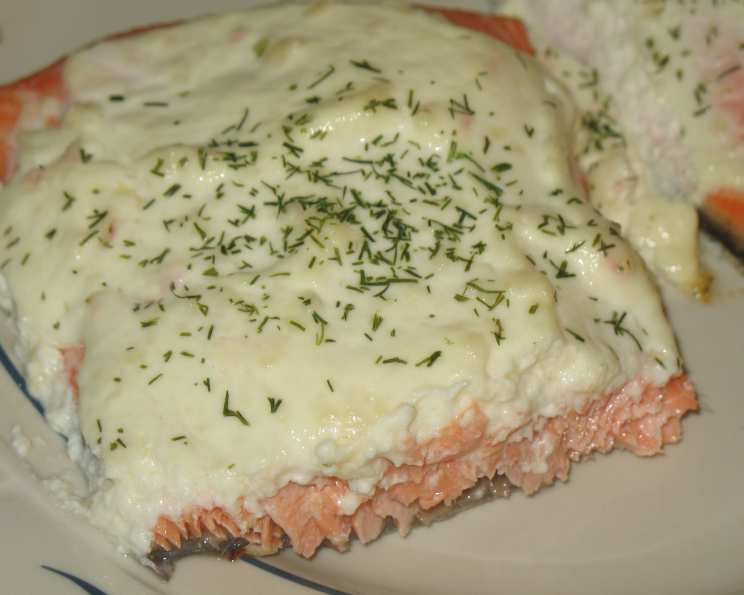
Baked Parmesan Trout Fillets: A Taste of Elegant Simplicity
My grandmother, a woman whose hands held the secrets to countless culinary masterpieces, often said that the simplest dishes are the hardest to perfect. This Baked Parmesan Trout Fillets recipe is a testament to that. I remember her preparing it on quiet summer evenings, the aroma of lemon and parmesan mingling in the air, a promise of a light yet satisfying meal. The flaky, tender trout, infused with the creamy tang of the sauce, always felt like a special occasion, even on a Tuesday. It’s a dish that embodies the art of transforming humble ingredients into something truly extraordinary.
Recipe Overview
- Prep Time: 15 minutes
- Cook Time: 20-25 minutes
- Total Time: 35-40 minutes
- Servings: 4
- Dietary Type: Pescatarian
Ingredients
- 1 lb trout fillets
- 1 cup sour cream
- ¼ cup grated Parmesan cheese
- 1 tablespoon lemon juice
- 1 tablespoon onion, finely chopped
- ½ teaspoon salt
- Paprika
Ingredient Notes:
- Trout Fillets: Skin-on or skinless trout fillets work equally well. If using skin-on, consider scoring the skin lightly to prevent curling during baking.
- Sour Cream: Full-fat sour cream provides the best richness and flavor, but you can substitute with low-fat sour cream or Greek yogurt (though the flavor profile will slightly change).
- Parmesan Cheese: Freshly grated Parmesan cheese is highly recommended for its superior flavor and texture. Pre-grated Parmesan often contains cellulose and doesn’t melt as smoothly.
- Lemon Juice: Freshly squeezed lemon juice is always preferred over bottled juice.
- Onion: Shallots can be substituted for onion for a milder flavor.
- Paprika: Use sweet paprika for a mild, slightly sweet flavor. For a smoky flavor, substitute smoked paprika.
Equipment Needed
- Shallow baking dish
- Small bowl
- Whisk or fork
Instructions
-
Preheat your oven to 350°F (175°C). This moderate temperature ensures the trout cooks gently and evenly, preventing it from drying out.
-
Grease a shallow baking dish. You can use cooking spray, butter, or olive oil. This step is crucial to prevent the trout fillets from sticking to the dish and ensures easy removal after baking.
-
Place the trout fillets in the prepared baking dish. Arrange them in a single layer, ensuring they are not overcrowded. This allows for even cooking.
-
In a small bowl, combine the sour cream, Parmesan cheese, lemon juice, finely chopped onion, and salt. Whisk or stir until well combined, creating a smooth and creamy sauce.
-
Spread the sour cream mixture evenly over the trout fillets, ensuring each fillet is generously coated. This creamy topping will keep the trout moist and infuse it with delicious flavor.
-
Sprinkle the paprika over the top of the sauced fillets. The paprika not only adds a touch of color but also a subtle smoky sweetness that complements the other flavors.
-
Bake in the preheated oven for 20-25 minutes, or until the trout fillets flake easily with a fork. To check for doneness, gently insert a fork into the thickest part of the fillet. If the fish separates easily into flakes, it is cooked through. Be careful not to overbake, as this will result in dry trout.
Tips for Success:
- Oven Calibration: Baking times may vary depending on your oven. Use an oven thermometer to ensure your oven is accurately calibrated.
- Fillet Thickness: Thicker fillets may require slightly longer baking times.
- Doneness Check: If unsure, err on the side of slightly undercooked. The trout will continue to cook slightly after being removed from the oven.
Expert Tips & Tricks
- Enhance the Flavor: For an extra layer of flavor, consider adding a pinch of garlic powder or a dash of hot sauce to the sour cream mixture.
- Make-Ahead Prep: You can prepare the sour cream mixture and coat the trout fillets up to a few hours in advance. Cover the dish and refrigerate until ready to bake. Allow the dish to sit at room temperature for about 15 minutes before baking for even cooking.
- Broiling for Color: For a more golden-brown topping, broil the fillets for the last 1-2 minutes of baking, watching carefully to prevent burning.
- Ingredient Swaps: If you don’t have sour cream, you can substitute with crème fraîche for a similar richness.
- Dealing with Dry Trout: If you find your trout is drying out, try basting it with melted butter or olive oil during the last few minutes of baking.
Serving & Storage Suggestions
Serve the Baked Parmesan Trout Fillets immediately after baking for the best flavor and texture. Garnish with a sprinkle of fresh parsley or a lemon wedge for added visual appeal. This dish pairs beautifully with roasted vegetables, steamed asparagus, a simple green salad, or a side of rice or quinoa.
Leftovers can be stored in an airtight container in the refrigerator for up to 2 days. To reheat, gently warm in a preheated oven at 300°F (150°C) or microwave on low power until heated through. Be careful not to overcook the trout during reheating, as this can make it dry.
Nutritional Information
| Nutrient | Amount per Serving | % Daily Value |
|---|---|---|
| Calories | 307.5 kcal | N/A |
| Calories from Fat | N/A | 60% |
| Total Fat | 20.6 g | 31% |
| Saturated Fat | 9 g | 45% |
| Cholesterol | 101.1 mg | 33% |
| Sodium | 491.3 mg | 20% |
| Total Carbohydrate | 2.4 g | 0% |
| Dietary Fiber | 0.1 g | 0% |
| Sugars | 2.3 g | N/A |
| Protein | 27.2 g | 54% |
Note: Nutritional information is an estimate and may vary based on specific ingredients and portion sizes.
Variations & Substitutions
- Herb Infusion: Experiment with different herbs. Fresh dill, chives, or thyme can be added to the sour cream mixture for a unique flavor profile.
- Spice It Up: Add a pinch of red pepper flakes to the sour cream mixture for a touch of heat.
- Citrus Zest: Lemon, orange, or grapefruit zest can be added to the sour cream mixture for a bright, aromatic flavor.
- Crumb Topping: For a crispy topping, combine breadcrumbs, Parmesan cheese, and melted butter and sprinkle over the fillets before baking.
- Wine Pairing: A splash of dry white wine, such as Sauvignon Blanc or Pinot Grigio, can be added to the sour cream mixture for added depth of flavor.
FAQs (Frequently Asked Questions)
Q: Can I use frozen trout fillets for this recipe?
A: Yes, but be sure to thaw them completely before cooking. Pat them dry with paper towels to remove excess moisture for better browning and even cooking.
Q: Can I use a different type of fish?
A: Absolutely! This recipe works well with other flaky white fish such as cod, haddock, or sea bass. Adjust the cooking time accordingly, as different fish may cook at different rates.
Q: How do I prevent the Parmesan cheese from burning?
A: Ensure the fillets are well-coated with the sour cream mixture. The moisture from the sour cream will help protect the cheese from burning. If necessary, cover the dish loosely with foil during the last few minutes of baking.
Q: Is it possible to make this recipe dairy-free?
A: Yes, you can substitute the sour cream with a dairy-free alternative such as cashew cream or coconut yogurt. Use a dairy-free Parmesan cheese substitute as well.
Q: Can I grill the trout instead of baking it?
A: Yes, you can grill the trout. Place the fillets on a lightly oiled grill grate and cook over medium heat for about 4-5 minutes per side, or until they flake easily with a fork. The sour cream mixture can be spread on the fillets before grilling or served as a sauce on the side.
Final Thoughts
Baked Parmesan Trout Fillets is a dish that brings together simplicity and elegance. It’s incredibly easy to prepare, yet it delivers a sophisticated flavor that is sure to impress. Whether you’re hosting a dinner party or simply looking for a quick and healthy weeknight meal, this recipe is a guaranteed crowd-pleaser. So, gather your ingredients, preheat your oven, and embark on a culinary journey that will transport you to a place of pure gastronomic delight. Don’t be afraid to experiment with the variations and substitutions to create your own signature version of this timeless classic. And most importantly, enjoy the process! Happy cooking!