
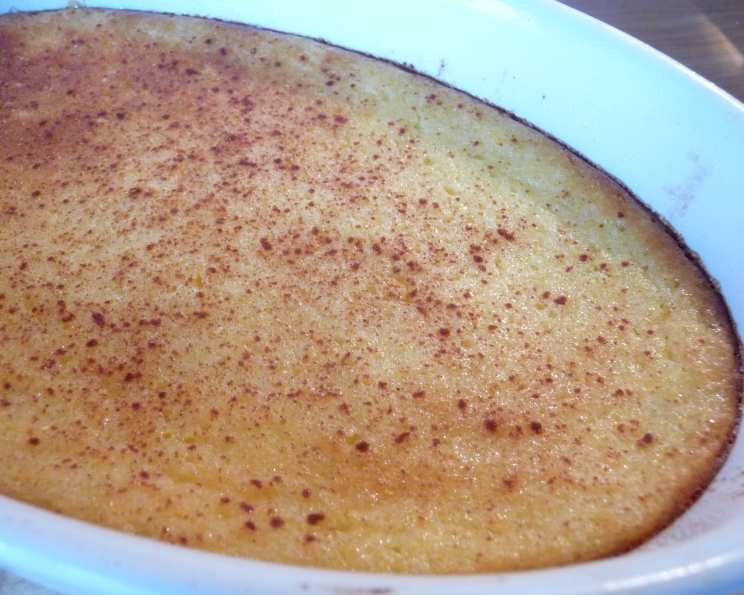
Baked Pineapple Custard: A Taste of Sunshine
My grandmother, Elsie, was the queen of potlucks. Her dishes, always comforting and slightly quirky, were the first to disappear from any buffet table. While her ambrosia salad held a certain nostalgic charm, it was her Baked Pineapple Custard that truly stole the show. I remember one Easter Sunday, hovering near the dessert table, eager to snag the last piece before my cousins descended. That warm, softly spiced custard, punctuated with sweet, tangy pineapple, was pure sunshine in a bite. It wasn’t just dessert; it was a symbol of family, love, and Elsie’s unwavering knack for making the ordinary extraordinary.
Recipe Overview
- Prep Time: 15 minutes
- Cook Time: 1 hour
- Total Time: 1 hour 15 minutes
- Servings: 12
- Yield: 1 (9×13) pan
- Dietary Type: Vegetarian
Ingredients
- ¼ cup butter, melted
- ¼ cup flour
- 4 eggs
- 1 cup sugar
- 20 ounces crushed pineapple, undrained
- ½ teaspoon cinnamon
Equipment Needed
- 9×13 inch baking pan
- Mixing bowls
- Whisk
Instructions
-
Preheat your oven to 350°F (175°C). Ensuring the oven is fully preheated is key for even baking and prevents the custard from becoming watery.
-
In a mixing bowl, combine the melted butter, flour, and sugar. Mix well until a smooth, slightly pasty mixture forms. This mixture acts as the base for the custard, providing structure and a subtle buttery flavor.
-
In a separate bowl, lightly beat the eggs. This step incorporates air into the eggs, contributing to a lighter, more delicate custard texture. Be careful not to over-beat, as this can make the custard tough.
-
Add the beaten eggs to the butter/flour/sugar mixture. Gently combine the ingredients, ensuring everything is well incorporated. Avoid vigorous stirring at this stage, as it can develop gluten in the flour, leading to a less tender custard.
-
Carefully fold in the crushed pineapple, including the juice. Folding, rather than stirring, prevents the loss of air from the egg mixture and helps maintain the custard’s light and airy texture. The pineapple provides both sweetness and a pleasant tang, balancing the richness of the custard.
-
Pour the mixture into your prepared 9×13 inch baking pan. Spread the mixture evenly across the pan to ensure consistent baking.
-
Sprinkle the top of the custard evenly with cinnamon. The cinnamon adds a warm, aromatic spice that complements the pineapple beautifully.
-
Bake in the preheated oven for 1 hour. To check for doneness, gently insert a knife into the center of the custard. If the knife comes out clean, or with only a few moist crumbs clinging to it, the custard is done. If the knife comes out with wet batter, continue baking for an additional 5-10 minutes, checking periodically. The custard should be set around the edges and slightly jiggly in the center. It will continue to set as it cools.
Expert Tips & Tricks
- Preventing a Soggy Crust: If you’re concerned about a soggy crust, you can blind bake the base mixture (butter, flour, sugar) for 10 minutes before adding the egg and pineapple mixture. This will create a slightly sturdier base.
- Achieving the Perfect Consistency: The baking time is crucial. Overbaking will result in a dry, rubbery custard, while underbaking will leave it too watery. Keep a close eye on it during the last 15 minutes of baking. A little jiggle in the center is perfectly fine; it will set as it cools.
- Enhancing the Pineapple Flavor: For a more intense pineapple flavor, you can lightly sauté the crushed pineapple in a pan with a tablespoon of butter before adding it to the custard mixture. This will help caramelize the pineapple and intensify its sweetness.
- Make-Ahead Tip: You can prepare the custard mixture a day in advance and store it, covered, in the refrigerator. Allow it to come to room temperature for about 30 minutes before baking.
Serving & Storage Suggestions
Serve the Baked Pineapple Custard warm or at room temperature. A dollop of whipped cream or a scoop of vanilla ice cream complements the custard beautifully. A sprinkle of toasted coconut flakes can also add a delightful textural contrast.
Leftovers can be stored in an airtight container in the refrigerator for up to 3 days. To reheat, gently warm individual portions in the microwave or oven. Reheating may slightly alter the texture of the custard, but it will still be delicious. Freezing is not recommended, as it can significantly affect the custard’s texture.
Nutritional Information
| Nutrient | Amount per Serving | % Daily Value |
|---|---|---|
| Calories | 161 kcal | N/A |
| Fat | 5.6 g | 8% |
| Saturated Fat | 3 g | 14% |
| Cholesterol | 80.7 mg | 26% |
| Sodium | 51.1 mg | 2% |
| Carbohydrate | 26.3 g | 8% |
| Fiber | 0.5 g | 2% |
| Sugars | 23.6 g | N/A |
| Protein | 2.6 g | 5% |
Note: Nutritional information is an estimate and may vary based on specific ingredients and portion sizes.
Variations & Substitutions
- Dairy-Free: While the base recipe contains butter, you can easily substitute with a vegan butter alternative. Ensure the vegan butter is designed for baking to achieve the best results.
- Gluten-Free: Replace the all-purpose flour with a gluten-free all-purpose blend. Consider adding a teaspoon of xanthan gum to the flour mix to provide structure and prevent the custard from becoming too crumbly.
- Tropical Twist: Add a handful of shredded coconut to the custard mixture for a more pronounced tropical flavor. You can also substitute half of the crushed pineapple with mango or papaya chunks.
- Spice it Up: Experiment with different spices, such as nutmeg, ginger, or cardamom, in addition to or instead of the cinnamon.
FAQs (Frequently Asked Questions)
Q: Can I use fresh pineapple instead of canned?
A: Yes, you can use fresh pineapple, but be sure to chop it finely and drain any excess juice before adding it to the custard. Canned pineapple is often sweeter and softer, so adjust the sugar accordingly if using fresh.
Q: The custard is browning too quickly on top. What should I do?
A: If the custard is browning too quickly, tent the baking pan with aluminum foil to prevent further browning. Remove the foil during the last 10-15 minutes of baking to allow the custard to set properly.
Q: Can I reduce the amount of sugar?
A: Yes, you can reduce the sugar slightly, but keep in mind that sugar contributes to the custard’s texture and stability. Reducing it too much may result in a less firm custard. Start by reducing it by ¼ cup and adjust to taste in future batches.
Q: My custard turned out watery. What went wrong?
A: A watery custard is usually the result of underbaking or using too much liquid. Ensure the oven is properly preheated and bake the custard until it is set around the edges and slightly jiggly in the center. Avoid adding extra liquid to the mixture.
Q: Can I add other fruits to the custard?
A: Absolutely! Berries, such as blueberries or raspberries, pair well with pineapple. Just be sure to add them towards the end of the mixing process to prevent them from breaking down and coloring the custard.
Final Thoughts
Baked Pineapple Custard is more than just a dessert; it’s a little slice of happiness. Whether you’re serving it at a holiday gathering, a casual brunch, or simply craving a comforting treat, this recipe is sure to delight. Don’t be afraid to experiment with variations and make it your own. And most importantly, don’t forget to share the love – this custard is best enjoyed with family and friends. So go ahead, preheat that oven, and let the sunshine in! I can’t wait to hear about your experience and the delicious twists you put on this classic recipe. Enjoy!