
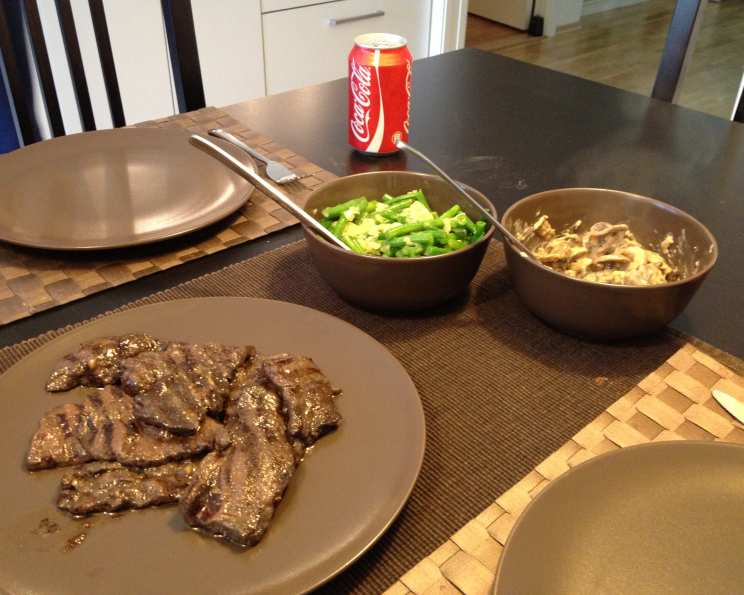
Baked Whale: A Culinary Exploration
The scent of the sea, tinged with something richer and deeper, always takes me back to my grandfather’s stories. He was a fisherman, not of whale, but he knew the rhythms of the ocean intimately. He spoke of respect for all life within it, and while this recipe comes from a well-worn, faded Tongan cookbook I stumbled upon years ago, it’s important to approach it with reverence for the natural world. This is a historical exploration, not an endorsement of unsustainable practices. If, by chance, you encounter whale meat harvested through legal and ethical means (such as from a naturally deceased animal), this recipe offers a glimpse into a unique culinary tradition.
Recipe Overview
- Prep Time: 20 minutes
- Cook Time: 1 hour
- Total Time: 3 hours 20 minutes
- Servings: 6
- Yield: Varies depending on the whale meat
- Dietary Type: N/A (Whale consumption raises ethical considerations)
Ingredients
- 2 lbs whale meat
- ¼ cup oil
- ¼ cup red wine
- 1 teaspoon peppercorns
- 1 cup salt (Note: Adjust based on taste and sodium content of the whale meat.)
- 1 garlic clove, minced
- 1 small onion, minced
Equipment Needed
- Large mixing bowl
- Sharp knife
- Oven
- Covered baking dish or Dutch oven
Instructions
- In a large mixing bowl, prepare the marinade by combining the oil, red wine, peppercorns, salt, minced garlic, and minced onion. Whisk together until well blended.
- Carefully cut the whale meat into either cubes or slices, depending on your preference. Cubes will result in a more stew-like texture, while slices will be more akin to a roasted meat dish.
- Place the cut whale meat into the mixing bowl with the marinade. Ensure that all pieces of meat are thoroughly coated.
- Cover the bowl tightly and refrigerate for 2-3 hours, allowing the marinade to penetrate the meat and tenderize it. This step is crucial for enhancing the flavor and improving the texture of the whale.
- Preheat your oven to 300°F (150°C).
- Transfer the marinated whale meat and marinade to a covered baking dish or Dutch oven. The cover is essential to prevent the meat from drying out during the long cooking process.
- Place the covered dish in the preheated oven and bake for 1 hour. The low temperature and long cooking time will help to tenderize the meat further.
- After 1 hour, check the meat for tenderness. If it is still tough, continue baking for another 30 minutes, or until it reaches your desired tenderness. Remember that cooking times may vary depending on the thickness of the meat and the accuracy of your oven.
- Once the whale meat is tender, remove the dish from the oven and let it rest for 10 minutes before serving. This allows the juices to redistribute, resulting in a more flavorful and moist dish.
Expert Tips & Tricks
- Marinating Time: Don’t rush the marinating process. Allowing the whale meat to marinate for the full 3 hours (or even slightly longer, up to 4 hours) will significantly improve its flavor and tenderness.
- Salt Adjustment: The amount of salt required can vary depending on the origin and processing of the whale meat. Start with a slightly smaller amount of salt and adjust to taste after the meat has been cooked.
- Aromatics: Feel free to add other aromatics to the marinade, such as bay leaves, thyme, or rosemary, to further enhance the flavor.
- Browning: For a richer flavor and appearance, you can sear the whale meat in a hot pan with oil before adding it to the marinade and baking it. This will create a Maillard reaction, which contributes to a more complex flavor profile. However, searing is an optional step.
Serving & Storage Suggestions
Serve the Baked Whale hot, accompanied by your favorite side dishes. Consider serving it with rice, potatoes, or roasted vegetables. The rich, savory flavor of the whale meat pairs well with a variety of flavors.
Leftovers can be stored in an airtight container in the refrigerator for up to 2 days. To reheat, gently warm the meat in a pan over low heat or in a microwave. Avoid overheating, as this can dry out the meat. It is not recommended to freeze cooked whale meat, as this can affect its texture and flavor.
Nutritional Information
Please note that the following nutritional information is an estimate based on limited data and may vary depending on the specific type and preparation of whale meat.
| Nutrient | Amount per Serving | % Daily Value (Estimated) |
|---|---|---|
| Calories | 400 kcal | 20% |
| Total Fat | 25g | 38% |
| Saturated Fat | 8g | 40% |
| Cholesterol | 80mg | 27% |
| Sodium | 2000mg | 83% |
| Total Carbohydrate | 5g | 2% |
| Dietary Fiber | 1g | 4% |
| Sugars | 2g | N/A |
| Protein | 30g | 60% |
Variations & Substitutions
Given the specific nature of whale meat, substitutions are challenging. However, the marinade and cooking method can be adapted for other types of meat, such as beef or venison, if ethically sourced. If adapting for beef, consider using a cut like chuck roast, which benefits from slow cooking.
FAQs (Frequently Asked Questions)
Q: Can I use a different type of oil for the marinade?
A: Yes, you can substitute the oil with any neutral-flavored cooking oil, such as vegetable oil or canola oil. Olive oil can also be used, but it may impart a stronger flavor to the marinade.
Q: Is it necessary to marinate the whale meat?
A: Marinating is highly recommended as it helps to tenderize the meat and infuse it with flavor. However, if you are short on time, you can skip the marinating step, but the resulting dish may be less flavorful and tender.
Q: Can I use a different type of wine for the marinade?
A: Yes, you can substitute the red wine with another type of wine, such as white wine or sherry. However, keep in mind that different wines will impart different flavors to the marinade.
Q: How can I tell if the whale meat is cooked through?
A: The best way to check if the whale meat is cooked through is to use a meat thermometer. The internal temperature should reach at least 145°F (63°C) for medium-rare, or 160°F (71°C) for medium.
Q: Can I add vegetables to the baking dish?
A: Yes, you can add vegetables such as potatoes, carrots, or onions to the baking dish along with the whale meat. This will create a complete and flavorful meal.
Final Thoughts
This recipe offers a glimpse into a culinary tradition that, while controversial, is part of human history. While I urge ethical and sustainable food choices, understanding different cultures and their food practices can be educational. If, under specific and legal circumstances, you find yourself with access to whale meat, I hope this recipe provides a starting point for your culinary exploration. Please remember to source your ingredients responsibly and consider the environmental impact of your food choices. Experiment with different side dishes, share your feedback, and most importantly, approach this dish with respect for the ocean and its inhabitants.