
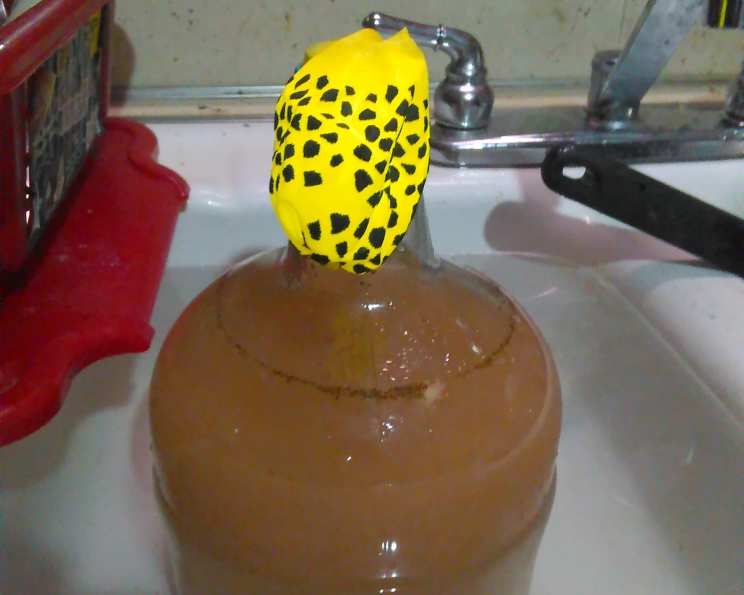
Making Magic with Balloon Wine: A Taste of Nostalgia
Growing up, my grandfather, a man of simple pleasures and boundless curiosity, had a peculiar project tucked away in his basement. It wasn’t gleaming copper stills or oak barrels, but a collection of gallon jugs topped with…balloons. As a wide-eyed child, I remember the mystery surrounding these inflated orbs, the faint yeasty aroma that permeated the air, and the hushed explanation that followed: homemade wine. While it wasn’t exactly the sophisticated vintages I now appreciate, the memory of that bubbling, fruity concoction holds a special place in my heart, a reminder of his playful spirit and the magic of turning simple ingredients into something unique.
Recipe Overview
- Prep Time: 15 minutes
- Fermentation Time: 6 weeks
- Total Time: 6 weeks, 15 minutes
- Yields: 1-2 bottles
- Dietary Type: Vegan
Ingredients
- 1 (2 1/2 ounce) package active dry yeast
- 4 cups sugar
- 1 (12 ounce) can frozen juice concentrate, without sweeteners
- 3 1/2 quarts cold water
Equipment Needed
- 1 gallon glass jug
- 1 extra-large latex balloon
- 1 sturdy rubber band
- 1-2 empty wine bottles or bottles of choice
- Cork
Instructions
-
Begin by gathering your equipment and ensuring the gallon jug is thoroughly cleaned and sanitized. This step is crucial for preventing unwanted bacteria from interfering with the fermentation process.
-
In the gallon jug, combine the active dry yeast, sugar, and frozen juice concentrate. Avoid juice concentrates that contain added sweeteners. The natural sugars in the concentrate are sufficient for fermentation.
-
Next, fill the jug the rest of the way with cold water, leaving about an inch or two of headspace at the top. This allows for expansion during fermentation. Stir the mixture well to dissolve the sugar and distribute the yeast evenly.
-
Rinse out the balloon thoroughly with clean water. This helps to remove any lingering powder or residue. Carefully fit the rinsed balloon over the opening of the jug, creating an airtight seal.
-
Secure the balloon tightly to the jug’s opening with a sturdy rubber band. This prevents the balloon from slipping off as the fermentation progresses and pressure builds.
-
Place the jug in a cool, dark place. A basement, closet, or even a covered container works well. Consistent temperature is important; aim for a range between 60-75°F (15-24°C).
-
Within a day or two, you should notice the balloon starting to expand. This indicates that the yeast is actively fermenting the sugar and releasing carbon dioxide. Monitor the balloon’s progress daily.
-
As the sugar is converted into alcohol, the released gas will continue to inflate the balloon. The size of the balloon will fluctuate depending on the temperature and the activity of the yeast.
-
When the balloon deflates completely, it indicates that the fermentation process is largely complete and the wine is ready to drink. This typically takes about 6 weeks in total, but it can vary.
-
After the 6 weeks, carefully pour the wine into empty bottles, ensuring you do not disturb the sediment. You can use a siphon to assist you in moving the wine from the jug to the bottles.
-
Discard the sediment.
-
Cork and tape the bottles closed.
-
The wine can be drunk now or aged, bottles on their side, for a year if you like. But the younger it is, the yeastier it’ll taste.
Expert Tips & Tricks
- Yeast Selection: Experiment with different strains of wine yeast for varied flavor profiles. Champagne yeast, for example, will produce a drier wine.
- Fruit Focus: The quality of the juice concentrate greatly impacts the final product. Opt for high-quality, all-natural concentrates without added preservatives. Consider blending different fruit concentrates for a more complex flavor.
- Sanitation is Key: Thoroughly sanitize all equipment to prevent off-flavors and spoilage. Use a food-grade sanitizer or a solution of boiling water.
- Temperature Control: Maintaining a consistent temperature during fermentation is crucial for optimal yeast activity. Avoid extreme temperature fluctuations. A temperature strip adhered to the jug can help monitor the internal temperature.
- Degassing: After fermentation, the wine may contain dissolved carbon dioxide, which can make it fizzy. Degassing can be done by gently stirring the wine (being careful not to introduce oxygen) or using a vacuum pump designed for wine.
Serving & Storage Suggestions
Serve your homemade balloon wine chilled, ideally between 50-60°F (10-15°C). It pairs well with light appetizers, cheese, and fruit. As a homemade wine, it’s best consumed within a year.
Store the bottled wine in a cool, dark place, ideally on its side to keep the cork moist. Avoid direct sunlight and extreme temperature fluctuations. The wine can be aged for up to a year, but the flavor may change over time.
Nutritional Information
Please note that nutritional information is an estimate and may vary depending on the specific ingredients used.
| Nutrient | Amount per Serving (Estimated) | % Daily Value (Estimated) |
|---|---|---|
| Calories | 400 kcal | 20% |
| Total Fat | 0g | 0% |
| Saturated Fat | 0g | 0% |
| Cholesterol | 0mg | 0% |
| Sodium | 10mg | 0% |
| Total Carbohydrate | 80g | 27% |
| Dietary Fiber | 0g | 0% |
| Sugars | 75g | – |
| Protein | 1g | 2% |
Variations & Substitutions
- Homemade Juice: Instead of frozen juice concentrate, use fresh juice from grapes, plums, or other fruits. You’ll need to adjust the sugar content accordingly, aiming for a specific gravity reading of around 1.070-1.080 using a hydrometer.
- Honey Wine (Mead): Substitute honey for sugar to create mead. Use a ratio of approximately 3 pounds of honey per gallon of water.
- Spiced Wine: Add spices like cinnamon sticks, cloves, and star anise during fermentation for a festive spiced wine.
- Herbal Infusion: Infuse the wine with herbs like rosemary or lavender after fermentation for a unique flavor twist.
- Sparkling Wine: Add a small amount of sugar (priming sugar) to the bottled wine before corking to create a sparkling wine. Be extremely careful when doing this, as the pressure build-up can cause bottles to explode. Use bottles specifically designed for sparkling wine.
FAQs (Frequently Asked Questions)
Q: Can I use plastic jugs instead of glass?
A: While plastic jugs can be used, glass is generally preferred because it is less porous and less likely to impart off-flavors to the wine.
Q: How do I know when the fermentation is complete?
A: The most reliable indicator is a hydrometer reading. Fermentation is complete when the specific gravity stabilizes. Also, a deflated balloon indicates the fermentation is near or has ended.
Q: What if the balloon doesn’t inflate?
A: This could be due to several factors, including inactive yeast, a leak in the seal, or a temperature that is too low. Double-check your ingredients and ensure a proper seal.
Q: Can I make this wine with less sugar?
A: Reducing the sugar will result in a lower alcohol content. However, it will result in a drier wine if you reduce the sugar content. Experiment to find the sweetness level you prefer.
Q: What if my wine tastes too yeasty?
A: Allowing the wine to age for a longer period can help reduce the yeasty flavor. Racking the wine (transferring it to a clean container) can also help remove sediment and improve clarity.
Final Thoughts
Making balloon wine is a fun, accessible way to explore the art of fermentation and create a unique beverage that reflects your personal taste. While it may not rival the complexity of fine wines from renowned vineyards, the satisfaction of crafting something from scratch, coupled with the nostalgic charm of this simple method, makes it a worthwhile endeavor. So gather your ingredients, sanitize your equipment, and prepare to embark on a journey of bubbling delight. Don’t be afraid to experiment and adapt the recipe to your liking, and most importantly, enjoy the process! Share your creations with friends and family, and let the memories of your own homemade wine-making adventure begin.