
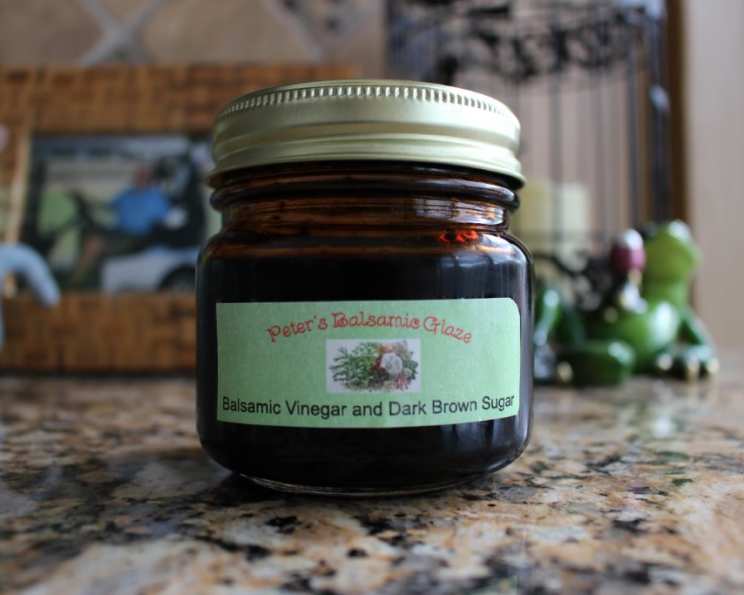
The Secret to Restaurant-Worthy Dishes: Mastering Balsamic Glaze
The first time I tasted balsamic glaze, it was drizzled artfully over a simple Caprese salad at a tiny trattoria in Florence. The sweetness, the tang, the complexity – it elevated the fresh mozzarella and ripe tomatoes into something truly extraordinary. I knew right then I had to learn how to make this magic myself. Now, years later, a bottle of homemade balsamic glaze is a staple in my kitchen, ready to add a touch of elegance to everything from grilled vegetables to seared scallops.
Recipe Overview
- Prep Time: 5 minutes
- Cook Time: 50 minutes
- Total Time: 55 minutes
- Yields: 1/2 pint
- Serves: 20
- Dietary Type: Vegan, Gluten-Free, Dairy-Free
Ingredients
- 1 – 500 ml balsamic vinegar, 16.9 oz bottle
- 1/4 cup packed dark brown sugar
Equipment Needed
- Stainless-steel pot
- Whisk
Instructions
- In a stainless-steel pot, combine the balsamic vinegar and packed dark brown sugar.
- Place the pot over medium heat and continually whisk the mixture until the brown sugar is fully dissolved.
- Once the mixture begins to simmer, reduce the heat to maintain a low simmer. You want a gentle bubbling, not a rapid boil.
- Continue to simmer the mixture, uncovered, until it reduces to about half its original volume and thickens to a light syrup consistency. This typically takes between 40-50 minutes. Keep a close eye on it as it nears the end of the cooking time, as it can quickly go from perfectly syrupy to too thick. Inexpensive brands of balsamic vinegar may require slightly longer to reduce and thicken.
- Remove the pot from the heat. Remember, the glaze will continue to thicken as it cools, so don’t overcook it.
- Allow the mixture to cool slightly. Then, taste it and adjust the sweetness to your preference. If desired, add additional brown sugar or up to 1 tablespoon of honey to taste. Stir well to incorporate.
- Be very careful when handling the hot glaze. Avoid touching or splashing the mixture, as it can cause burns.
- Once cooled to room temperature, transfer the balsamic glaze to an airtight container.
Expert Tips & Tricks
- Use a good quality balsamic vinegar: While you don’t need to break the bank on a super-aged balsamic, opt for a brand you enjoy the taste of. The flavor of the vinegar will be concentrated in the glaze, so starting with a good base is crucial.
- Stir frequently: Stirring prevents the sugar from burning and ensures even heating and reduction.
- Watch the heat: Maintaining a low simmer is key to preventing the glaze from scorching or becoming too thick.
- Don’t over-reduce: Remember that the glaze thickens as it cools. It should be the consistency of a light syrup when you remove it from the heat. If it’s too thick in the pot, it will be rock-hard when cooled.
- Use a stainless-steel pot: Other types of cookware, such as aluminum, can react with the vinegar and affect the color and flavor.
- For a smoother glaze: Strain the cooled glaze through a fine-mesh sieve to remove any solids.
Serving & Storage Suggestions
Balsamic glaze is incredibly versatile. Drizzle it over:
- Caprese salad: A classic pairing with fresh mozzarella, tomatoes, and basil.
- Roasted vegetables: Brussels sprouts, asparagus, and root vegetables are especially delicious with a balsamic glaze.
- Grilled meats and poultry: Adds a sweet and tangy flavor to chicken, steak, and pork.
- Pizza: Use it as a finishing drizzle on your favorite pizza.
- Fruit: Strawberries, figs, and peaches are delicious with a drizzle of balsamic glaze.
- Ice cream: Believe it or not, a drizzle of balsamic glaze can add a surprising depth of flavor to vanilla ice cream.
- Salad dressings: Whisk it into vinaigrettes for a sweet and tangy twist.
Store balsamic glaze in an airtight container in the refrigerator. While shelf life hasn’t been definitively tested, it will generally last for several weeks or even months due to the high acidity. Check for any signs of spoilage (mold, off odor) before using.
Nutritional Information
| Nutrient | Amount per Serving | % Daily Value |
|---|---|---|
| Calories | 10.5 kcal | N/A |
| Calories from Fat | 0g | 0% |
| Total Fat | 0g | 0% |
| Saturated Fat | 0g | 0% |
| Cholesterol | 0mg | 0% |
| Sodium | 0.8mg | 0% |
| Total Carbohydrate | 2.7g | 0% |
| Dietary Fiber | 0g | 0% |
| Sugars | 2.7g | 10% |
| Protein | 0g | 0% |
Variations & Substitutions
- Honey Balsamic Glaze: Substitute the brown sugar with honey for a more floral sweetness.
- Fig Balsamic Glaze: Add 1 tablespoon of fig extract or strained fig preserves to the glaze after removing it from the heat.
- Pomegranate Balsamic Glaze: Add a few tablespoons of pomegranate reduction for a tart and fruity flavor.
- Cherry Balsamic Glaze: Add a splash of pure cherry syrup or fruit liquor for a richer, more complex flavor.
- Spicy Balsamic Glaze: Add a pinch of red pepper flakes to the mixture while it’s simmering for a touch of heat.
- Maple Balsamic Glaze: Use maple syrup in place of brown sugar for a unique depth.
FAQs (Frequently Asked Questions)
Q: Can I use regular white sugar instead of brown sugar?
A: While you can, brown sugar adds a depth of flavor and richness that white sugar lacks. If you only have white sugar, consider adding a tiny drop of molasses to mimic the flavor of brown sugar.
Q: My balsamic glaze is too thick. Can I fix it?
A: Yes, simply add a tablespoon or two of water back to the glaze and gently heat it until it thins out to the desired consistency.
Q: How can I tell if the balsamic glaze is done?
A: The glaze is done when it coats the back of a spoon. Dip a spoon into the simmering mixture and lift it out. If the glaze clings to the spoon and leaves a trail when you run your finger through it, it’s ready. Remember it will thicken more as it cools!
Q: Can I make this glaze in a larger batch?
A: Absolutely! Just adjust the ingredient quantities accordingly. Keep in mind that a larger batch may require a longer cooking time.
Q: Is it necessary to use a stainless-steel pot?
A: While it’s not strictly necessary, using a stainless-steel pot is recommended to prevent any unwanted reactions between the vinegar and the cookware. Aluminum pots, in particular, can react with acidic ingredients and affect the flavor.
Final Thoughts
Making balsamic glaze at home is surprisingly easy, and the result is a condiment that can elevate so many dishes. Once you’ve mastered the basic recipe, feel free to experiment with different flavors and create your own signature glaze. I encourage you to give this recipe a try and discover the magic of homemade balsamic glaze for yourself. Don’t be afraid to share your creations and feedback – I’d love to hear about your culinary adventures! Perhaps you could try pairing it with grilled halloumi and a fresh salad. Happy cooking!