
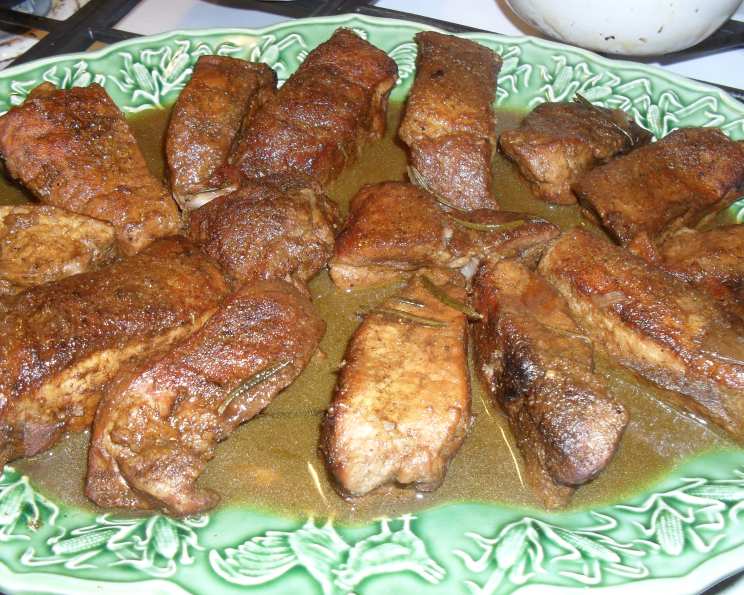
Balsamic Glazed Pork With Caramelized Onions: A Symphony of Sweet and Savory
The aroma always takes me back. As a young chef, one of my first kitchen jobs involved prepping hundreds of pounds of onions each week. While some might find it tedious, I found a quiet joy in watching them transform from sharp, pungent bulbs to meltingly sweet, caramelized jewels. The scent of those gently browning onions, mingling with the tang of balsamic vinegar, is a culinary memory etched deep within me, forever linked to the comforting simplicity and profound satisfaction of a well-cooked meal. This recipe, inspired by those early experiences, brings that memory to life with juicy pork and a luscious glaze.
Recipe Overview
- Prep Time: 15 minutes
- Cook Time: 30 minutes
- Total Time: 45 minutes
- Servings: 4
- Dietary Type: Gluten-Free (check wine label)
Ingredients
- 1 – 1 ½ lb country-style boneless pork ribs
- 3 tablespoons butter or margarine, divided
- 2 tablespoons olive oil
- 1 large onion, chopped into medium dice
- 1 teaspoon dried rosemary
- 1 teaspoon dried thyme
- 1 teaspoon dried sage
- ½ teaspoon dried garlic powder (see Note)
- Salt and pepper
- ⅓ cup balsamic vinegar
- 1 cup white wine
Equipment Needed
- Large skillet with lid
- Wooden spoon
- Meat thermometer
Instructions
-
Combine the Dry Spices: In a small bowl, thoroughly mix together the dried rosemary, dried thyme, dried sage, and dried garlic powder.
-
Season the Pork: Generously sprinkle the spice mixture over both sides of the pork ribs. Rub the spices into the meat surface to ensure even distribution.
-
Let the Pork Rest: Allow the seasoned pork to stand at room temperature for approximately 30 minutes. This allows the flavors to meld and the meat to temper slightly, promoting even cooking.
-
Sear the Pork: In a large skillet, heat the olive oil and 2 tablespoons of the butter or margarine over medium-high heat. Ensure the skillet is hot before adding the pork.
-
Brown the Pork: Once the butter has melted and the oil is shimmering, carefully add the pork ribs to the skillet. Cook for about 5 minutes per side, searing them until they develop a nice, flavorful crust from the spices. Aim for a deep golden-brown color.
-
Add the Onions: Add the chopped onion to the skillet, nestling it around the seared pork.
-
Caramelize the Onions: Continue cooking for approximately 5 more minutes, stirring the onions frequently, until they become tender and start to brown. This is where the magic happens; the natural sugars in the onions will begin to caramelize, creating a rich, sweet flavor base for the sauce.
-
Add the Balsamic Vinegar: Pour the balsamic vinegar over the pork and onions in the skillet. The vinegar will deglaze the pan, lifting up any browned bits and adding a complex tang to the sauce.
-
Braise the Pork: Reduce the heat to medium-low, cover the skillet with a lid, and cook for approximately 10-15 minutes more, depending on the thickness of the pork. Occasionally stir the onions and turn the meat to ensure even cooking and prevent sticking.
-
Caramelize Further: You want the onions to really caramelize, becoming slightly charred and taking on a lovely, sweet, and smoky flavor. Watch them closely, stirring occasionally, to prevent burning.
-
Check for Doneness: Test the pork to ensure that it’s cooked through by inserting a meat thermometer into the center of the thickest rib. The internal temperature should reach 170 degrees Fahrenheit.
-
Remove and Rest: Once the pork is cooked through, remove the pork and onions from the skillet and transfer them to a serving platter. Let the pork rest for a few minutes before slicing, which helps retain its juices.
-
Make the Sauce: Turn the heat back up to medium-high. Add the white wine to the skillet.
-
Deglaze the Pan: Use a wooden spoon to stir and scrape up the browned bits from the bottom of the skillet. These browned bits, known as fond, are packed with flavor and will contribute to the richness of the sauce.
-
Reduce the Sauce: Cook the wine until it is reduced by about half, approximately 5 minutes. This will concentrate the flavors and create a slightly thickened sauce.
-
Finish the Sauce: Take the skillet off of the heat and add the remaining 1 tablespoon of butter.
-
Emulsify and Season: Stir the sauce vigorously until the butter has completely melted and emulsified into the wine reduction, creating a glossy, velvety sauce. Season the sauce to taste with salt and pepper.
-
Serve: Pour the luscious balsamic glaze over the pork ribs and caramelized onions on the platter. Serve immediately.
Note: You could use chopped fresh garlic in place of the dried powder, but I wouldn’t add it until the last ten minutes or so. I’m thinking the garlic may burn if you add it at the beginning and would ruin the dish.
Expert Tips & Tricks
- Spice it up: Add a pinch of red pepper flakes to the spice rub for a touch of heat.
- Marinate for deeper flavor: For an even more intense flavor, marinate the pork in the balsamic vinegar and spices for a few hours or overnight in the refrigerator.
- Don’t overcrowd the pan: If your skillet is too small, sear the pork in batches to ensure proper browning. Overcrowding the pan will lower the temperature and result in steamed, rather than seared, pork.
- Use a good quality balsamic: A high-quality balsamic vinegar will have a richer, more complex flavor than a cheaper variety. Look for one that is thick and syrupy.
- Adjust the sweetness: If you prefer a sweeter sauce, add a tablespoon of honey or maple syrup to the skillet along with the balsamic vinegar.
Serving & Storage Suggestions
Serve this Balsamic Glazed Pork with Caramelized Onions hot, garnished with fresh herbs like parsley or thyme. It pairs beautifully with creamy mashed potatoes, roasted vegetables, or a simple green salad.
Leftovers can be stored in an airtight container in the refrigerator for up to 3 days. Reheat gently in a skillet over medium heat, or in the microwave, until heated through. The flavors will actually meld and deepen overnight, making it even more delicious the next day.
Nutritional Information
| Nutrient | Amount per Serving | % Daily Value |
|---|---|---|
| Calories | 380.4 kcal | N/A |
| Calories from Fat | 197 g | 52% |
| Total Fat | 21.9 g | 33% |
| Saturated Fat | 8.7 g | 43% |
| Cholesterol | 106.8 mg | 35% |
| Sodium | 162.1 mg | 6% |
| Total Carbohydrate | 9.4 g | 3% |
| Dietary Fiber | 1 g | 3% |
| Sugars | 5.3 g | N/A |
| Protein | 24.3 g | 48% |
Note: Daily values are based on a 2,000 calorie diet. Actual values may vary.
Variations & Substitutions
- Chicken instead of pork: Boneless, skinless chicken breasts or thighs can easily be substituted for the pork ribs. Adjust cooking time as needed to ensure the chicken is cooked through.
- Vegetarian option: Use thick slices of portobello mushrooms in place of the pork. Marinate them in the balsamic vinegar and spices before searing.
- Different herbs: Experiment with different herbs such as oregano or marjoram to create your own unique flavor profile.
- Use a different wine: A dry red wine, such as Merlot or Cabernet Sauvignon, can be used in place of the white wine for a richer, more robust flavor.
- Add vegetables: Toss some bell peppers, zucchini, or mushrooms into the skillet along with the onions for a heartier meal.
FAQs (Frequently Asked Questions)
Q: Can I use a different cut of pork?
A: Yes, you can use pork chops or pork tenderloin. Adjust the cooking time accordingly to ensure the meat is cooked through but not overcooked.
Q: Can I make this ahead of time?
A: Yes, you can prepare the pork and onions ahead of time and store them in the refrigerator. Reheat them in a skillet with the balsamic glaze just before serving.
Q: What if my balsamic vinegar is too thin?
A: If your balsamic vinegar is too thin, you can simmer it in a saucepan over low heat until it thickens slightly.
Q: Can I freeze the leftovers?
A: Yes, you can freeze the leftovers in an airtight container for up to 2 months. Thaw overnight in the refrigerator before reheating.
Q: What should I do if my onions are burning?
A: If your onions are browning too quickly or starting to burn, reduce the heat to low and add a tablespoon or two of water or broth to the skillet. This will help to prevent them from burning and keep them moist.
Final Thoughts
I sincerely hope you will try this Balsamic Glazed Pork with Caramelized Onions. The combination of tender pork, sweet and savory onions, and tangy balsamic glaze is truly irresistible. It’s a dish that’s both comforting and elegant, perfect for a weeknight dinner or a special occasion. Feel free to adapt the recipe to your own preferences and share your creations with friends and family. And if you discover any exciting variations, please let me know! I’m always eager to learn new culinary tricks and perspectives. Perhaps pair this with a crisp glass of Pinot Noir to elevate your dining experience! Happy cooking!