
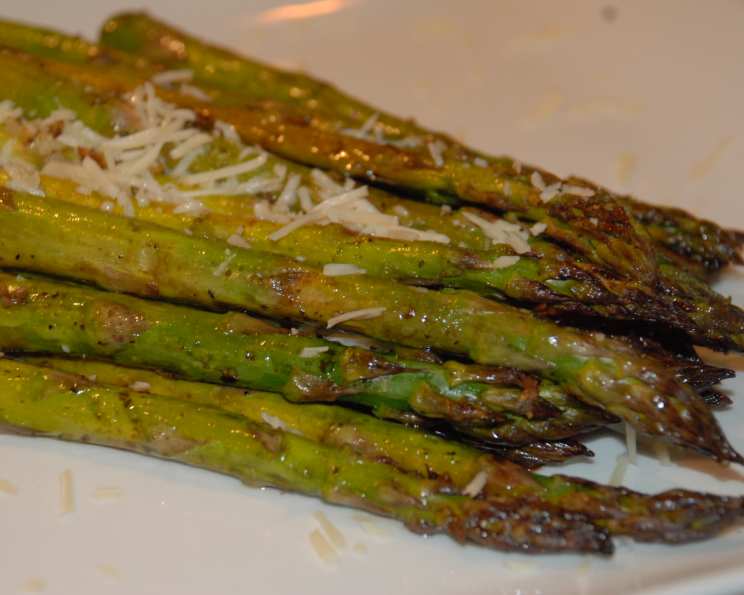
Balsamic Roasted Asparagus With Garlic: A Simple Spring Delight
There’s something inherently joyful about the first asparagus spears of spring. I remember being a young cook, overwhelmed by fancy techniques, and then a mentor simply tossed asparagus with olive oil, salt, and pepper, roasted it until tender-crisp, and the pure, vibrant flavor shone through. That memory taught me that the best dishes are often the simplest, highlighting the natural beauty of fresh ingredients. This balsamic and garlic roasted asparagus is a testament to that lesson—a celebration of spring on a plate.
Recipe Overview
- Prep Time: 5 minutes
- Cook Time: 10 minutes
- Total Time: 15 minutes
- Servings: 4
- Dietary Type: Vegan
Ingredients
- 1 lb asparagus
- 1 ½ teaspoons olive oil
- 1 tablespoon balsamic vinegar
- ½ teaspoon kosher salt
- ¼ teaspoon black pepper, freshly ground
- ½ teaspoon garlic, minced
Equipment Needed
- Jelly-roll pan
- Pam or cooking spray
Instructions
- Begin by preparing the asparagus. Snap off the tough ends of each spear. This is best achieved by gently bending each spear near the bottom; it will naturally break where it becomes too fibrous.
- Lightly spray a jelly-roll pan with Pam or another cooking spray. This will prevent the asparagus from sticking and ensure even browning.
- Place the prepared asparagus on the sprayed pan in a single layer. Avoid overcrowding the pan, as this can lead to steaming instead of roasting. If necessary, use two pans.
- Drizzle the olive oil and balsamic vinegar evenly over the asparagus.
- Sprinkle the kosher salt and freshly ground black pepper over the asparagus.
- Toss the asparagus gently to coat it evenly with the oil, vinegar, salt, and pepper. Ensure each spear is lightly covered for maximum flavor.
- Bake in a preheated oven at 425°F (220°C) for 10 minutes.
- After 8 minutes of baking, remove the pan from the oven and sprinkle the minced garlic evenly over the asparagus.
- Give the pan a gentle shake to distribute the garlic and ensure it doesn’t burn.
- Return the pan to the oven and bake for another 2 minutes. The asparagus should be tender-crisp and the garlic fragrant but not burnt.
Expert Tips & Tricks
- Asparagus Thickness Matters: Thicker asparagus spears may require slightly longer cooking times. Conversely, very thin asparagus may cook faster. Keep a close eye on the asparagus and adjust the cooking time accordingly.
- Don’t Overcrowd the Pan: Overcrowding the pan will cause the asparagus to steam instead of roast, resulting in a less flavorful and less appealing texture. Use a larger pan or two pans if necessary.
- Freshly Ground Pepper is Key: Freshly ground black pepper provides a much more vibrant and aromatic flavor than pre-ground pepper. It’s worth the extra effort!
- Garlic Timing is Crucial: Adding the garlic too early can result in burnt garlic, which tastes bitter. Adding it in the last two minutes of cooking ensures that it is fragrant and flavorful without being burnt.
- Balsamic Quality: Using a high-quality balsamic vinegar will significantly enhance the flavor of the dish. Look for a balsamic vinegar that is thick, syrupy, and has a rich, complex flavor.
Serving & Storage Suggestions
This Balsamic Roasted Asparagus with Garlic is a versatile side dish that pairs well with a variety of main courses. Serve it alongside grilled chicken, fish, steak, or tofu. It’s also a delicious addition to salads, pasta dishes, and frittatas.
To serve, arrange the roasted asparagus on a platter or individual plates. A sprinkle of freshly grated Parmesan cheese (if not vegan) or a drizzle of extra balsamic glaze can add a touch of elegance.
Leftover asparagus can be stored in an airtight container in the refrigerator for up to 3 days. To reheat, spread the asparagus on a baking sheet and bake at 350°F (175°C) for a few minutes, or microwave until heated through. Note that reheating may slightly soften the asparagus.
Nutritional Information
| Nutrient | Amount per Serving | % Daily Value |
|---|---|---|
| Calories | 41 kcal | 2% |
| Total Fat | 2g | 3% |
| Saturated Fat | 0g | 0% |
| Cholesterol | 0mg | 0% |
| Sodium | 234mg | 10% |
| Total Carbohydrate | 5g | 2% |
| Dietary Fiber | 2g | 7% |
| Sugars | 2g | 0% |
| Protein | 3g | 6% |
Variations & Substitutions
- Lemon-Garlic Asparagus: Substitute the balsamic vinegar with 1 tablespoon of lemon juice for a brighter, more citrusy flavor. Add a pinch of lemon zest for extra aroma.
- Spicy Asparagus: Add a pinch of red pepper flakes to the asparagus before roasting for a touch of heat.
- Herbed Asparagus: Sprinkle fresh herbs like thyme, rosemary, or oregano over the asparagus before roasting for a more complex flavor profile.
- Vegan Parmesan: For a vegan option, sprinkle nutritional yeast over the asparagus after roasting for a cheesy flavor.
- Maple Glazed: Substitute balsamic vinegar with maple syrup.
FAQs (Frequently Asked Questions)
Q: Can I use frozen asparagus for this recipe?
A: While fresh asparagus is preferred for its texture and flavor, frozen asparagus can be used in a pinch. Be sure to thaw and thoroughly drain the asparagus before roasting to prevent it from becoming soggy.
Q: How do I prevent the garlic from burning?
A: The key is to add the minced garlic during the last 2 minutes of cooking. This allows the garlic to become fragrant and flavorful without burning.
Q: Can I use a different type of vinegar?
A: Yes, you can experiment with other types of vinegar, such as red wine vinegar or apple cider vinegar. However, balsamic vinegar provides a unique sweetness and depth of flavor that complements the asparagus beautifully.
Q: How do I know when the asparagus is done?
A: The asparagus should be tender-crisp, meaning it should be easily pierced with a fork but still have a slight bite. Avoid overcooking the asparagus, as it will become mushy.
Q: Can I prepare the asparagus ahead of time?
A: You can wash and trim the asparagus ahead of time and store it in the refrigerator. However, it is best to roast the asparagus just before serving for the best flavor and texture.
Final Thoughts
This Balsamic Roasted Asparagus with Garlic is more than just a side dish; it’s a celebration of simple, fresh ingredients. It’s an easy way to bring a touch of spring to your table any time of year. I encourage you to try this recipe and make it your own! Feel free to experiment with different herbs, spices, and vinegars to create your unique twist. And, of course, I’d love to hear your feedback and see your creations – happy cooking!