
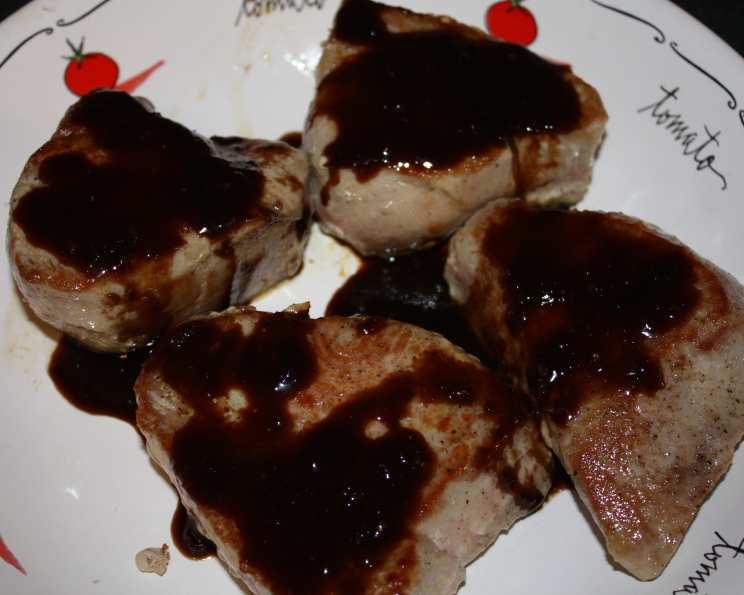
Balsamic Tuna: A Symphony of Flavors
The first time I tasted balsamic tuna, I was a wide-eyed culinary student interning at a small trattoria in Florence. The chef, a gruff but kind woman named Maria, tossed the pan-seared tuna with a vibrant balsamic reduction that clung to the fish like a sweet, tangy embrace. The aroma alone was enough to transport me to a Tuscan vineyard, and the flavor… oh, the flavor! The perfectly seared tuna, still pink in the center, paired with the rich, syrupy balsamic glaze was an experience that forever changed my understanding of simple elegance in cooking. That experience sparked my lifelong love affair with balsamic vinegar and its transformative power, especially when paired with seafood.
Recipe Overview
- Prep Time: 5 minutes
- Cook Time: 11 minutes
- Total Time: 16 minutes
- Servings: 4
- Yield: 4 servings
- Dietary Type: Pescatarian, Gluten-Free
Ingredients
- 4 (6 ounce) tuna steaks
- ½ teaspoon salt
- ¼ teaspoon pepper
- 1 tablespoon olive oil
- 2 tablespoons balsamic vinegar
- ¼ cup orange juice
Equipment Needed
- Large nonstick skillet
Instructions
- Begin by preparing the tuna steaks. Sprinkle them evenly with salt and pepper. This simple seasoning will enhance the natural flavor of the fish.
- Heat the olive oil in a large nonstick skillet over medium-high heat. Ensure the pan is hot before adding the tuna for a good sear.
- Carefully place the seasoned tuna steaks into the hot skillet. Cook for 2 minutes on each side, or until the tuna is cooked almost to your desired degree of doneness. Remember, the tuna will continue to cook slightly after it’s removed from the pan.
- For a perfectly seared tuna with a pink, but not raw, center, 2 minutes per side is generally ideal. If you prefer your tuna more well-done, increase the cooking time accordingly, but be careful not to overcook it, as it can become dry.
- Once the tuna is cooked to your liking, remove it from the skillet and set it aside on a plate.
- Now, it’s time to create the balsamic reduction. Add the balsamic vinegar and orange juice to the same skillet you used for the tuna. The flavorful remnants in the pan will add depth to the sauce.
- Cook, stirring constantly, until the liquid begins to turn into a syrup. This will take approximately 5-7 minutes, depending on the heat and the size of your pan.
- To test the consistency of the balsamic syrup, drag a spoon through the liquid along the center of the pan. If the path of the spoon does not fill in quickly, the liquid has reached the desired syrupy consistency. The goal is a glaze that coats the tuna beautifully, not a watery sauce.
- Finally, drizzle the flavorful balsamic syrup generously over the tuna steaks.
- Serve the Balsamic Tuna immediately while it’s warm and the syrup is still glossy.
Expert Tips & Tricks
- For an even deeper flavor, marinate the tuna steaks in the balsamic vinegar and orange juice mixture for 30 minutes before cooking.
- Use high-quality balsamic vinegar for the best flavor. Aged balsamic will offer a richer, more complex taste.
- To prevent sticking, ensure your nonstick skillet is properly preheated before adding the oil and tuna.
- Don’t overcrowd the pan. If necessary, cook the tuna in batches to ensure proper searing.
- If your balsamic reduction becomes too thick, add a splash of water or orange juice to thin it out. Conversely, if it’s too thin, continue cooking until it reaches the desired consistency.
Serving & Storage Suggestions
Serve Balsamic Tuna immediately for the best flavor and texture. Garnish with fresh herbs like parsley or basil for a pop of color and freshness. This dish pairs beautifully with a simple green salad, roasted vegetables, or creamy mashed potatoes. For a more Mediterranean twist, serve it with quinoa or couscous.
Leftover tuna can be stored in an airtight container in the refrigerator for up to 2 days. It’s best enjoyed cold or at room temperature in a salad or sandwich, as reheating can dry out the fish. Avoid freezing cooked tuna, as it significantly alters the texture.
Nutritional Information
| Nutrient | Amount per Serving | % Daily Value |
|---|---|---|
| Calories | 289 kcal | N/A |
| Calories from Fat | 105 kcal | N/A |
| Total Fat | 11.8 g | 18% |
| Saturated Fat | 2.6 g | 13% |
| Cholesterol | 64.6 mg | 21% |
| Sodium | 359.1 mg | 14% |
| Total Carbohydrate | 3.1 g | 1% |
| Dietary Fiber | 0.1 g | 0% |
| Sugars | 2.5 g | N/A |
| Protein | 39.9 g | 79% |
Variations & Substitutions
- Citrus Variations: Experiment with different citrus juices in the balsamic reduction. Lemon, lime, or grapefruit can add a unique twist.
- Herb Infusion: Infuse the balsamic reduction with fresh herbs like rosemary or thyme while it simmers for an added layer of flavor.
- Spicy Kick: Add a pinch of red pepper flakes to the balsamic reduction for a subtle heat.
- Vegetarian Option: For a vegetarian version, substitute the tuna steaks with thick slices of grilled halloumi cheese or portobello mushrooms.
FAQs (Frequently Asked Questions)
Q: Can I use a different type of fish for this recipe?
A: While tuna is the classic choice, you can also use other firm-fleshed fish like swordfish or mahi-mahi. Adjust the cooking time accordingly based on the thickness of the fish.
Q: How can I prevent the tuna from sticking to the skillet?
A: Make sure your skillet is properly preheated before adding the oil and tuna. Use a good quality nonstick skillet or a well-seasoned cast iron pan.
Q: Can I make the balsamic reduction ahead of time?
A: Yes, you can prepare the balsamic reduction ahead of time and store it in an airtight container in the refrigerator for up to 3 days. Reheat gently before serving.
Q: What is the best way to tell if the tuna is cooked to the right doneness?
A: The best way to check doneness is to use a meat thermometer. Tuna is considered medium-rare when it reaches an internal temperature of 125-130°F. However, visual cues are also helpful; the center should still be slightly pink.
Q: Can I use regular vinegar instead of balsamic vinegar?
A: While you can use regular vinegar, it won’t provide the same rich, sweet, and tangy flavor as balsamic vinegar. Balsamic vinegar is key to the unique profile of this dish.
Final Thoughts
Balsamic Tuna is a testament to how simple ingredients, when combined thoughtfully, can create an extraordinary culinary experience. Don’t be intimidated by the “chef-like” quality – it’s surprisingly easy to master. This recipe is a celebration of flavor, texture, and the joy of cooking. I encourage you to try it, make it your own, and share it with loved ones. Pair it with a crisp glass of Pinot Grigio and a side of roasted asparagus for a complete and unforgettable meal. I can’t wait to hear what you think!