
Bang for Your Buck Spaghetti Squash: Unlock the Flavor Within
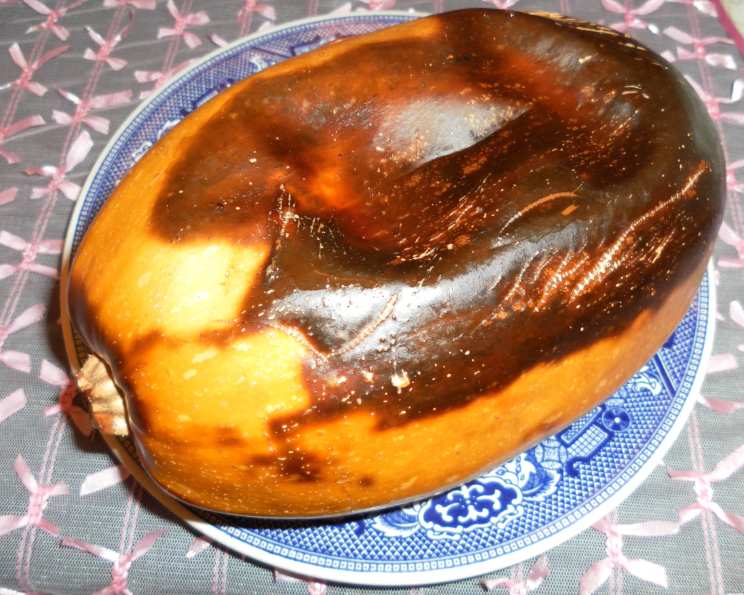
I remember the first time I encountered spaghetti squash. I’d seen it at the farmers market, this oblong, pale yellow gourd, and honestly, I was a bit intimidated. I tried roasting it the “normal” way, and while it was fine, I always felt like I was leaving so much good squash behind, clinging stubbornly to the skin. Then, one fateful Sunday, distracted by a phone call, I left it in the oven far longer than intended. What emerged was a revelation—the skin, instead of being firm, was easily peeled away, releasing every last strand of that sweet, nutty “spaghetti.” Now, this is the only way I make it.
Recipe Overview
- Prep Time: 5 minutes
- Cook Time: 1-2 hours
- Total Time: 1 hour 5 minutes to 2 hours 5 minutes
- Yields: 6 cups
- Serves: 4-6
- Dietary Type: Vegan, Gluten-Free, Paleo
Ingredients
- 1 spaghetti squash
- ¼ cup water
Equipment Needed
- Large baking pan (e.g., 8×11 inch)
- Knife
- Fork
- Large Bowl
Instructions
-
Preheat your oven to 450°F (232°C). This high temperature is key to caramelizing the squash and developing its flavor.
-
Wash the spaghetti squash thoroughly, removing any stickers or debris. This ensures a clean final product.
-
Carefully cut the spaghetti squash in half lengthwise. Spaghetti squash can be quite dense, so use a large, sharp knife and exercise caution. A rocking motion can help ease the knife through the squash.
-
Scoop out the seeds and stringy pulp from the center of each half. A spoon or ice cream scoop works well for this task. Discard the seeds (or save them for roasting later – see the Variations section).
-
Pour ¼ cup of water into a large baking pan. The pan should be large enough to hold both halves of the spaghetti squash comfortably. I find an 8×11-inch pan is usually sufficient.
-
Place the spaghetti squash halves in the baking pan, cut-side down. This allows the steam to penetrate the squash and ensures even cooking.
-
Bake for 1 to 2 hours, depending on the size of the squash. The cooking time will vary depending on the size and density of your squash. Check for doneness by gently pressing the top of the squash skin with a fork.
-
The spaghetti squash is ready when the top of the skin is browned and slightly brittle. When you touch the top of the squash with a fork, the skin should yield with little resistance. This is the hallmark of perfectly cooked spaghetti squash.
-
Remove the baking pan from the oven and let the spaghetti squash cool for 10 to 20 minutes. This allows the squash to cool enough to handle without burning yourself.
-
Once cooled slightly, pierce the top of the spaghetti squash skin with a fork. This releases any trapped steam.
-
Carefully peel away the skin from the squash’s interior. The skin should peel away easily, revealing the tender flesh beneath. Be careful of escaping steam, as it can be quite hot.
-
Transfer the cooked spaghetti squash halves to a large bowl.
-
Use two forks to shred the spaghetti squash into strands, creating a spaghetti-like consistency. Gently pull the tines of the forks across the squash to separate the strands.
Expert Tips & Tricks
- Don’t be afraid of the browning: The browned skin is a sign of caramelized sugars, which contribute to the squash’s flavor.
- Use a sharp knife: A dull knife can make cutting spaghetti squash a dangerous chore.
- Roast the seeds: Don’t throw away those seeds! Toss them with olive oil, salt, and your favorite spices (like chili powder or garlic powder) and roast them alongside the squash for a delicious, crunchy snack.
- Add flavor while baking: Place a sprig of rosemary or thyme in the water in the pan while baking to infuse the squash with subtle herbal notes.
- Ensure even cooking: For larger squash, rotating the pan halfway through baking helps ensure even cooking.
- Test for doneness: If you’re unsure if the squash is done, insert a fork into the flesh through the skin. If it goes in easily, it’s ready.
Serving & Storage Suggestions
Serve the shredded spaghetti squash immediately with your favorite sauce, such as marinara, pesto, or a creamy Alfredo. It’s also delicious simply seasoned with olive oil, salt, pepper, and herbs.
Leftover cooked spaghetti squash can be stored in an airtight container in the refrigerator for up to 3-5 days. To reheat, microwave in 1-minute intervals, stirring in between, or sauté in a pan with a little olive oil. It can also be frozen for up to 2 months. Thaw in the refrigerator overnight before reheating.
Nutritional Information
| Nutrient | Amount per Serving | % Daily Value |
|---|---|---|
| Calories | 31 kcal | 2% |
| Total Fat | 0.3g | 0% |
| Saturated Fat | 0.1g | 0% |
| Cholesterol | 0mg | 0% |
| Sodium | 10mg | 0% |
| Total Carbohydrate | 7g | 2% |
| Dietary Fiber | 1.5g | 6% |
| Sugars | 1.4g | |
| Protein | 0.7g | 1% |
| Vitamin A | 124mcg | 14% |
| Vitamin C | 2.7mg | 3% |
Note: Nutritional information is an estimate and may vary based on specific ingredients and preparation methods.
Variations & Substitutions
- Roasted Spaghetti Squash Seeds: Toss the seeds with olive oil, salt, and your favorite spices (like chili powder, garlic powder, or smoked paprika) and roast them at 350°F (175°C) for 10-15 minutes, or until golden brown and crispy.
- Spice it up: Add a pinch of red pepper flakes to the water in the baking pan for a subtle kick.
- Herb Infusion: Place a sprig of rosemary, thyme, or sage in the water while baking to infuse the squash with herbal flavors.
- Cheese Topping: Sprinkle shredded Parmesan, mozzarella, or Gruyere cheese over the shredded squash and broil for a few minutes until melted and bubbly.
- Sauce Variations: Experiment with different sauces and toppings. Try marinara, pesto, Alfredo, brown butter and sage, or a simple drizzle of olive oil and balsamic vinegar.
- Stuffed Spaghetti Squash: After shredding the squash, mix it with cooked ground meat, vegetables, and cheese, then stuff the mixture back into the squash halves and bake until heated through.
- Make it a Salad: Toss cooked and cooled spaghetti squash with arugula, cranberries, walnuts, and a vinaigrette for a refreshing salad.
FAQs (Frequently Asked Questions)
Q: Why bake the spaghetti squash face down?
A: Baking the squash face down allows the steam from the water to penetrate the flesh more effectively, resulting in a more evenly cooked and tender squash.
Q: How do I know when the spaghetti squash is done?
A: The spaghetti squash is done when the skin is browned and slightly brittle, and the flesh is easily pierced with a fork.
Q: Can I use this method with other types of squash?
A: While this method works best with spaghetti squash, you can adapt it for other winter squashes like butternut or acorn squash, though the cooking time may vary.
Q: Can I cook spaghetti squash in a slow cooker?
A: Yes, you can cook spaghetti squash in a slow cooker. Simply place the squash (whole or halved) in the slow cooker with a cup of water and cook on low for 6-8 hours, or until tender.
Q: How can I prevent the spaghetti squash from becoming watery?
A: Baking the squash at a high temperature helps to evaporate excess moisture. Also, be sure to drain any excess water after shredding the squash.
Final Thoughts
This “accidental discovery” method has completely transformed how I approach spaghetti squash. Not only does it yield more squash, but it also unlocks a deeper, richer flavor. I urge you to try this technique and see for yourself how much easier and more delicious spaghetti squash can be. Don’t hesitate to experiment with different sauces, toppings, and seasonings to create your own signature dish. And if you have any tips or tricks of your own, please share them in the comments below! I’d love to hear how you make this recipe your own. Consider pairing it with a crisp Sauvignon Blanc or a light Pinot Noir for a delightful and satisfying meal. Happy cooking!