
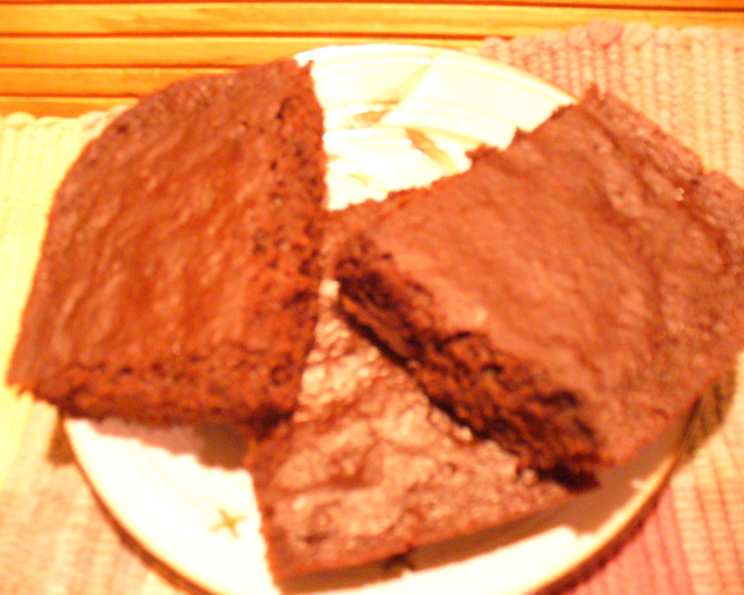
Baseema: A Sudanese Delight
The scent of my grandmother’s kitchen is a sensory tapestry woven with cardamom, rosewater, and the comforting aroma of baking. Among her many cherished recipes, one always held a special place in my heart: Baseema. I remember being a little girl, perched on a stool, mesmerized as she carefully poured the golden syrup over the still-warm cake, its coconut fragrance filling the air. Each bite was a taste of home, a sweet reminder of her warmth and love. Now, I share this family treasure with you.
Recipe Overview
- Prep Time: 20 minutes
- Cook Time: 30 minutes
- Total Time: 50 minutes
- Servings: 20
- Yield: 1 cake
- Dietary Type: Not specified
Ingredients
- 5 eggs
- 1 cup icing sugar (powdered sugar)
- ¾ cup butter or ¾ cup oil
- 500 g yogurt
- 2 teaspoons baking powder
- 2 cups flour
- 1 teaspoon vanilla essence
- 1 cup coconut
- 1 ½ cups sugar
- 1 tablespoon lemon juice
- 1 cup water
Equipment Needed
- 9×13″ baking dish
- Mixing bowls
- Whisk or electric mixer
- Saucepan
- Measuring cups and spoons
Instructions
- Preheat your oven to 200° Celsius (400°F). Grease a 9×13 inch baking dish. This prevents the cake from sticking and ensures even cooking.
- In a large mixing bowl, beat together the eggs and icing sugar until light and fluffy. This step incorporates air into the batter, resulting in a lighter, more tender cake.
- Add the butter (or oil) and yogurt to the egg mixture. Mix well until all ingredients are thoroughly combined. Using room-temperature butter will make it easier to achieve a smooth batter. If using oil, any neutral-tasting oil like canola or vegetable oil will work.
- In a separate bowl, sift the flour. This helps to remove any lumps and aerates the flour for a lighter texture.
- Add the baking powder and coconut to the sifted flour. Mix these dry ingredients together to ensure the baking powder is evenly distributed. This is crucial for the cake to rise properly.
- Gradually add the flour mixture to the wet ingredients while stirring continuously. Be careful not to overmix, as this can develop the gluten in the flour and result in a tough cake. A few streaks of flour are okay, but make sure the mixture is mostly combined.
- Add the vanilla essence to the batter and gently stir to incorporate. Vanilla enhances the overall flavor of the cake.
- Spread the batter evenly into the prepared 9×13 inch baking dish. Use a spatula to ensure the batter reaches all corners of the dish.
- Bake in the preheated oven for 30 minutes, or until a wooden skewer inserted into the center comes out clean. Keep an eye on the cake while it’s baking, as oven temperatures can vary. If the top starts to brown too quickly, you can loosely tent it with aluminum foil.
- While the cake is baking, prepare the syrup. In a saucepan, mix the sugar, lemon juice, and water.
- Bring the syrup mixture to a boil over medium heat, stirring constantly until the sugar is dissolved.
- Continue to boil the syrup until it thickens slightly. This usually takes about 5-7 minutes. You want the syrup to be thick enough to coat the back of a spoon.
- Once the cake is cooked, remove it from the oven and immediately pour the hot syrup evenly over the cake. The heat from the cake will help the syrup to soak in.
- Allow the cake to cool completely in the baking dish before cutting and serving. This will allow the syrup to fully absorb and the cake to set properly.
Expert Tips & Tricks
- For an extra moist cake, you can poke holes in the top of the cake with a fork before pouring the syrup over it. This will allow the syrup to penetrate even further into the cake.
- If you prefer a less sweet cake, you can reduce the amount of sugar in the syrup.
- To add a bit of tanginess, try using a flavored yogurt such as lemon or vanilla.
- Ensure that your baking powder is fresh for the best rise. You can test it by adding a teaspoon of baking powder to a cup of hot water. If it fizzes vigorously, it’s still good to use.
- Don’t overbake the cake! Overbaking will result in a dry, crumbly texture.
Serving & Storage Suggestions
Baseema is best served at room temperature, allowing its flavors to fully bloom. Cut into squares and serve as a dessert or snack. It pairs beautifully with a cup of strong coffee or tea.
Leftovers can be stored in an airtight container at room temperature for up to 3 days, or in the refrigerator for up to a week. For longer storage, you can freeze the cake for up to 2 months. To reheat, simply thaw at room temperature and enjoy.
Nutritional Information
| Nutrient | Amount per Serving | % Daily Value |
|---|---|---|
| Calories | 250.7 kcal | N/A |
| Calories from Fat | N/A | N/A |
| Total Fat | 11.8 g | 18% |
| Saturated Fat | 7.7 g | 38% |
| Cholesterol | 74.4 mg | 24% |
| Sodium | 116.5 mg | 4% |
| Total Carbohydrate | 33 g | 10% |
| Dietary Fiber | 1 g | 4% |
| Sugars | 22.5 g | 90% |
| Protein | 4.1 g | 8% |
Note: Nutritional information is an estimate and may vary depending on specific ingredients and portion sizes.
Variations & Substitutions
- Gluten-Free Baseema: Substitute the all-purpose flour with a gluten-free flour blend. You may need to add a binding agent like xanthan gum to help with the texture.
- Dairy-Free Baseema: Use a dairy-free yogurt alternative, such as soy or almond yogurt. Substitute the butter with a dairy-free butter substitute or use oil as indicated in the original recipe.
- Citrus Infusion: Add the zest of an orange or lime to the batter for a zesty twist.
- Nutty Baseema: Incorporate chopped nuts like almonds or walnuts into the batter for added texture and flavor.
FAQs (Frequently Asked Questions)
Q: Can I use self-raising flour instead of plain flour and baking powder?
A: While you can, it’s best to stick to the recipe as written. The amount of baking powder in self-raising flour might not be the same as specified in the recipe, which could affect the cake’s texture.
Q: My cake sank in the middle. What did I do wrong?
A: This can happen if the oven temperature is too low, or if you opened the oven door too frequently during baking. Also, ensure that you haven’t overmixed the batter, as this can cause the cake to collapse.
Q: The syrup is too thick/thin. What should I do?
A: If the syrup is too thick, add a tablespoon of water at a time until it reaches the desired consistency. If it’s too thin, continue boiling it for a few more minutes until it thickens.
Q: Can I make this cake ahead of time?
A: Yes, Baseema can be made a day or two in advance. Store it in an airtight container at room temperature or in the refrigerator.
Q: Can I reduce the amount of sugar in the syrup?
A: Yes, you can reduce the sugar to your preference. Keep in mind that it will affect the thickness and overall sweetness of the final product. Taste as you go and adjust accordingly.
Final Thoughts
Baseema is more than just a cake; it’s a taste of history, a connection to family, and a celebration of Sudanese culture. I encourage you to try this recipe and experience the unique flavors for yourself. Share it with loved ones, experiment with variations, and create your own memories around this delightful treat. I hope it brings as much joy to your kitchen as it has to mine. Enjoy!