
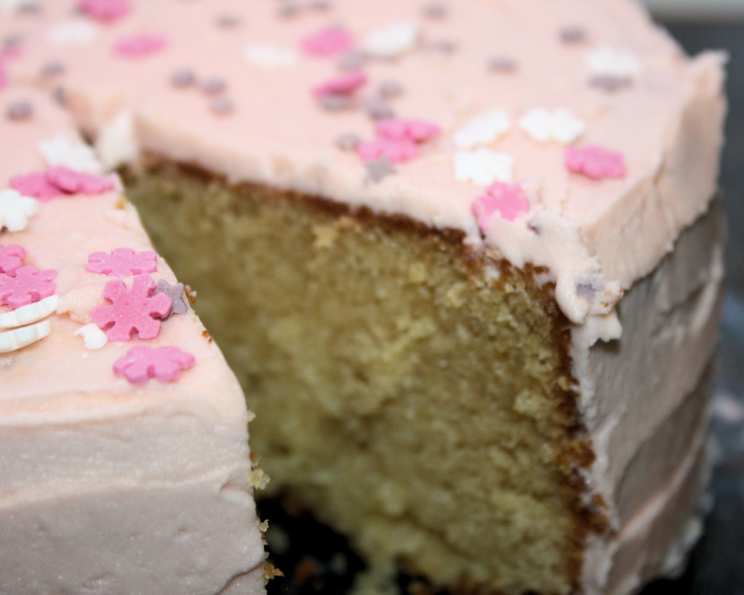
The Quintessential Butter Cake: A Baker’s Best Friend
Butter cake. Just the name evokes a feeling of warmth, comfort, and pure, unadulterated deliciousness. I still remember my grandmother’s butter cake, its golden crust yielding to a soft, pillowy interior that tasted faintly of vanilla and childhood. It wasn’t fancy, but it was perfect – the ultimate expression of love baked into a simple, honest cake.
Recipe Overview
- Prep Time: 20 minutes
- Cook Time: 1 hour
- Total Time: 1 hour 20 minutes
- Servings: 12
- Yield: 1 cake
- Dietary Type: Not specified
Ingredients
- 250g (about 1 cup + 1 tablespoon) butter, softened
- 1 teaspoon vanilla extract
- 1 1/4 cups (275g) caster sugar, also known as superfine sugar
- 3 eggs
- 2 1/4 cups (335g) self-raising flour
- 3/4 cup (80ml) milk
Equipment Needed
- Deep 22cm (approximately 9-inch) round cake pan or 19cm (approximately 7.5-inch) square cake pan
- Baking paper
- Electric mixer
- Medium mixing bowl
- Wire rack
Instructions
-
Begin by preheating your oven to 180°C (350°F), or 160°C (320°F) if using a fan-forced oven. Preparing the pan is the next crucial step. Grease a deep 22cm round or 19cm square cake pan thoroughly. Then, line the base with baking paper. This ensures the cake releases cleanly after baking.
-
In a medium bowl, beat the softened butter, vanilla extract, and caster sugar together using an electric mixer. Continue mixing until the mixture becomes light and fluffy. This step is key to incorporating air into the batter, resulting in a tender cake. It usually takes about 3-5 minutes of beating on medium speed.
-
Next, beat in the eggs, one at a time, making sure each egg is fully incorporated before adding the next. This prevents the batter from curdling. If the mixture starts to look curdled, try adding a tablespoon of the flour to help bring it back together.
-
Now, it’s time to add the dry and wet ingredients alternately. Sift the self-raising flour to remove any lumps, ensuring a smoother batter. Then, stir in the sifted flour and milk in two batches, beginning and ending with the flour. This method helps to prevent overmixing, which can lead to a tough cake. Gently fold in the ingredients until just combined. Be careful not to overmix.
-
Spread the batter evenly into the prepared cake pan. Ensure the surface is relatively level for even baking.
-
Bake for approximately 1 hour. To check for doneness, insert a skewer into the center of the cake. If it comes out clean or with just a few moist crumbs clinging to it, the cake is ready. If the skewer comes out with wet batter, continue baking for another 5-10 minutes and check again. Keep a close eye on the cake during the last 15 minutes of baking to prevent it from burning. If the top is browning too quickly, tent it loosely with foil.
-
Once baked, let the cake stand in the pan for 5 minutes before turning it out, top-side up, onto a wire rack to cool completely. Cooling it in the pan for a few minutes prevents it from breaking apart when you try to remove it.
Expert Tips & Tricks
- Room Temperature Ingredients: Ensure that your butter and eggs are at room temperature. This helps them emulsify properly, creating a smoother batter and a more even texture.
- Don’t Overmix: Overmixing develops the gluten in the flour, resulting in a tougher cake. Mix until just combined.
- Oven Thermometer: Use an oven thermometer to ensure your oven temperature is accurate. Ovens can vary in temperature, which can affect baking times.
- Cake Tester Hack: If you don’t have a skewer, a dry spaghetti noodle works just as well for testing doneness.
- Even Layers: For a truly impressive presentation, level the cake layers with a serrated knife after they’ve cooled.
Serving & Storage Suggestions
This basic butter cake is incredibly versatile. Serve it plain with a dusting of powdered sugar, or dress it up with your favorite frosting. It pairs beautifully with fresh berries and whipped cream, a scoop of ice cream, or a drizzle of chocolate sauce.
To store, wrap the cooled cake tightly in plastic wrap or place it in an airtight container. It will keep at room temperature for up to 3 days, in the refrigerator for up to a week, or in the freezer for up to 2 months. Thaw frozen cake overnight in the refrigerator before serving.
To refresh a slightly dry cake, you can lightly brush it with simple syrup (equal parts sugar and water, simmered until the sugar dissolves).
Nutritional Information
(Approximate values per serving)
| Nutrient | Amount per Serving | % Daily Value |
|---|---|---|
| Calories | 340.7 kcal | N/A |
| Calories from Fat | 168 g | 50% |
| Total Fat | 18.8 g | 28% |
| Saturated Fat | 11.4 g | 57% |
| Cholesterol | 93.2 mg | 31% |
| Sodium | 471 mg | 19% |
| Total Carbohydrate | 39.1 g | 13% |
| Dietary Fiber | 0.6 g | 2% |
| Sugars | 20.9 g | 83% |
| Protein | 4.6 g | 9% |
Note: Nutritional information is an estimate and may vary based on specific ingredients and portion sizes.
Variations & Substitutions
- Lemon Butter Cake: Add the zest of one lemon to the batter for a bright, citrusy twist.
- Chocolate Butter Cake: Substitute 1/4 cup of flour with 1/4 cup of unsweetened cocoa powder.
- Spice Cake: Add 1 teaspoon of ground cinnamon, 1/2 teaspoon of ground nutmeg, and 1/4 teaspoon of ground cloves for a warm, spiced flavor.
- Almond Butter Cake: Replace the vanilla extract with almond extract and add 1/4 cup of slivered almonds to the batter.
- Gluten-Free Butter Cake: Substitute the self-raising flour with a gluten-free self-raising flour blend. You may need to add a binder like xanthan gum to improve the texture.
- Dairy-Free Butter Cake: Use a plant-based butter alternative and non-dairy milk in place of dairy butter and milk.
FAQs (Frequently Asked Questions)
Q: Why did my butter cake sink in the middle?
A: This can happen if the oven temperature is too low, the cake isn’t baked long enough, or the batter is overmixed. Ensure your oven is properly preheated and that you bake the cake until a skewer inserted into the center comes out clean.
Q: Can I use margarine instead of butter?
A: While you can, butter provides a richer flavor and better texture. If you do use margarine, choose one with a high fat content (at least 80%).
Q: How can I prevent my cake from sticking to the pan?
A: Thoroughly grease the pan with butter or shortening and then line the base with baking paper. This combination provides a double layer of protection.
Q: Can I make this cake ahead of time?
A: Yes, you can bake the cake a day or two in advance and store it tightly wrapped at room temperature or in the refrigerator. You can also freeze it for longer storage.
Q: What’s the difference between caster sugar and regular granulated sugar?
A: Caster sugar is finer than granulated sugar, which helps it dissolve more easily into the batter and creates a smoother texture. If you don’t have caster sugar, you can pulse granulated sugar in a food processor until it’s finer.
Final Thoughts
This basic butter cake recipe is a blank canvas for your culinary creativity. Whether you keep it simple or dress it up with your favorite flavors and toppings, it’s sure to be a crowd-pleaser. Don’t be afraid to experiment and make it your own. Happy baking!