
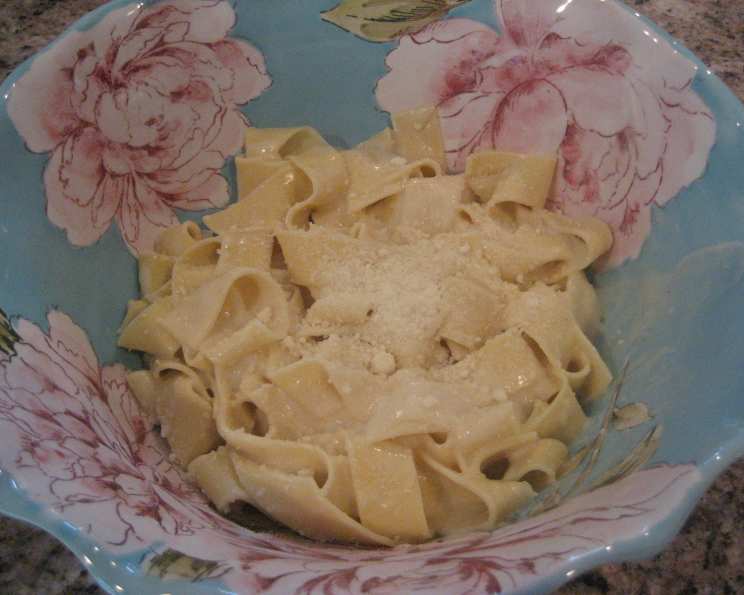
Mastering the Art of Italian White Cream Sauce: From Alfredo to Béchamel and Beyond
The scent of simmering cream, garlic, and Parmesan always takes me back to my Nonna’s kitchen. I remember standing on a stool, barely tall enough to see over the counter, mesmerized by the way she transformed simple ingredients into a velvety, comforting sauce that clung perfectly to every strand of fettuccine. This wasn’t just a meal; it was an act of love, a tradition passed down through generations, and the taste remains etched in my memory. Today, I’m excited to share that foundational recipe with you, empowering you to create your own magic in the kitchen.
Recipe Overview
- Prep Time: 5 minutes
- Cook Time: 10 minutes
- Total Time: 15 minutes
- Servings: 8
- Yield: About 2 cups
- Dietary Type: Vegetarian
Ingredients
- 1 cup heavy cream
- ½ cup (1 stick) butter
- 3-4 tablespoons all-purpose flour
- 3 tablespoons Parmigiano Reggiano cheese, grated
- ¼ teaspoon garlic powder
- 1 ounce prosciutto, finely sliced and shredded (optional)
- 1 dash salt, or to taste
Equipment Needed
- Small saucepan
- Whisk
Instructions
- Begin by melting the butter in a small saucepan over low to medium heat. This gentle melting process is crucial to prevent the butter from browning or burning, which can impart a bitter taste to your sauce.
- Continue cooking the melted butter, stirring occasionally, for about 5 minutes. This allows the butter to develop a slightly nutty aroma and flavor, adding depth to the final sauce.
- Add the flour to the melted butter and stir continuously until the butter and flour are thoroughly combined. This mixture, known as a roux, is the foundation of your sauce and will help thicken it. Ensure there are no lumps for the smoothest possible sauce.
- Gradually pour in the heavy cream, stirring constantly with a whisk. As you add the cream, be vigilant to prevent lumps from forming. The continuous stirring is key to creating a smooth, homogenous sauce.
- Add the remaining ingredients: grated Parmigiano Reggiano cheese, garlic powder, optional shredded prosciutto, and a dash of salt.
- Continue stirring constantly as the sauce thickens. This process usually takes a few minutes. The sauce is ready when it coats the back of a spoon and leaves a clear line when you run your finger through it.
- Adjust the consistency of the sauce by adding more cream if it’s too thick, or more flour (mixed with a little cold water to form a slurry) if it’s too thin. Add these adjustments gradually, a tablespoon at a time, until you achieve your desired consistency.
Expert Tips & Tricks
- Achieving a Silky Texture: The key to a truly luxurious white cream sauce is constant stirring. Don’t walk away from the saucepan! This prevents the formation of lumps and ensures a velvety smooth texture.
- Preventing Lumps: To avoid lumps, make sure the butter and flour are fully incorporated before adding the cream. You can also sift the flour before adding it to the melted butter for an even finer texture. If lumps do form, try whisking vigorously or using an immersion blender to smooth them out.
- Flavor Boost: For an extra layer of flavor, consider infusing the cream with aromatics like a bay leaf, a sprig of thyme, or a clove of garlic while it simmers. Remove the aromatics before serving.
- Cheese Selection: While Parmigiano Reggiano is the classic choice, you can experiment with other hard Italian cheeses like Pecorino Romano for a bolder flavor.
- Make-Ahead Tip: You can prepare the white cream sauce ahead of time and store it in the refrigerator for up to 3 days. When reheating, add a splash of cream or milk to loosen it up and stir constantly over low heat until smooth.
Serving & Storage Suggestions
This versatile white cream sauce is delicious served over pasta such as fettuccine, tortellini, or pappardelle. It’s also fantastic with chicken, shrimp, or vegetables. Garnish with fresh parsley or a sprinkle of grated Parmesan cheese for an elegant presentation.
Storage: Leftover white cream sauce can be stored in an airtight container in the refrigerator for up to 3 days. It is not recommended to leave it at room temperature for more than 2 hours.
Reheating: To reheat, gently warm the sauce in a saucepan over low heat, stirring frequently, until heated through. Add a splash of cream or milk if needed to adjust the consistency. Avoid boiling, as this can cause the sauce to separate. Freezing is not recommended as it affects the sauce’s texture.
Nutritional Information
| Nutrient | Amount per Serving | % Daily Value |
|---|---|---|
| Calories | 215.3 kcal | N/A |
| Calories from Fat | 202 g | 94% |
| Total Fat | 22.5 g | 34% |
| Saturated Fat | 14.1 g | 70% |
| Cholesterol | 71.3 mg | 23% |
| Sodium | 132.1 mg | 5% |
| Total Carbohydrate | 3.1 g | 1% |
| Dietary Fiber | 0.1 g | 0% |
| Sugars | 0.1 g | 0% |
| Protein | 1.1 g | 2% |
Note: Nutritional information is an estimate and may vary based on specific ingredients and preparation methods.
Variations & Substitutions
- Alfredo Sauce: For a classic Alfredo, simply increase the amount of Parmesan cheese to 1/2 cup and add a pinch of white pepper.
- Béchamel Sauce: This recipe essentially creates a Béchamel, one of the French mother sauces. To strictly classify it as Béchamel omit the garlic powder and prosciutto. Béchamel often incorporates a bay leaf during simmering for added depth.
- Creamy Tomato Sauce: Add a can of diced tomatoes or tomato paste to the sauce for a creamy tomato variation.
- Vegetarian Option: Ensure the Parmigiano Reggiano is made with vegetarian rennet, as traditional Parmesan uses animal rennet.
- Dairy-Free Option: Substitute the butter with a plant-based butter alternative and the heavy cream with a rich plant-based cream, like cashew cream. You’ll need to experiment with the flour quantity to get the consistency right, as plant-based creams behave differently. A little nutritional yeast can mimic the cheesy flavor.
- Spicy Kick: Add a pinch of red pepper flakes for a touch of heat.
- Herb Infusion: Try infusing the cream with fresh herbs like rosemary, thyme, or sage for a more complex flavor profile.
FAQs (Frequently Asked Questions)
Q: Can I use milk instead of heavy cream?
A: While you can use milk, the sauce will be much thinner and less rich. For a creamier consistency with milk, consider using whole milk and adding a tablespoon of cornstarch slurry (cornstarch mixed with cold water).
Q: How do I fix a broken sauce (where the fat separates)?
A: If the sauce separates, remove it from the heat immediately. Whisk in a tablespoon of cold water or ice. The sudden temperature change can help emulsify the sauce again.
Q: Can I use pre-shredded Parmesan cheese?
A: Freshly grated Parmesan cheese is always recommended for the best flavor and melting quality. Pre-shredded cheese often contains cellulose, which can prevent it from melting smoothly.
Q: How can I make this sauce gluten-free?
A: Substitute the all-purpose flour with a gluten-free all-purpose flour blend or cornstarch. Use the same amount as the regular flour.
Q: How long does this sauce last in the refrigerator?
A: Properly stored in an airtight container, this sauce will last for up to 3 days in the refrigerator.
Final Thoughts
Now it’s your turn to embark on this culinary adventure! Don’t be afraid to experiment with different flavors and ingredients to create your own signature white cream sauce. Whether you’re drizzling it over pasta, coating grilled chicken, or creating a decadent vegetable gratin, this foundational recipe is sure to become a staple in your kitchen. Share your creations and variations with friends and family, and let the deliciousness unfold. Bon appétit!