
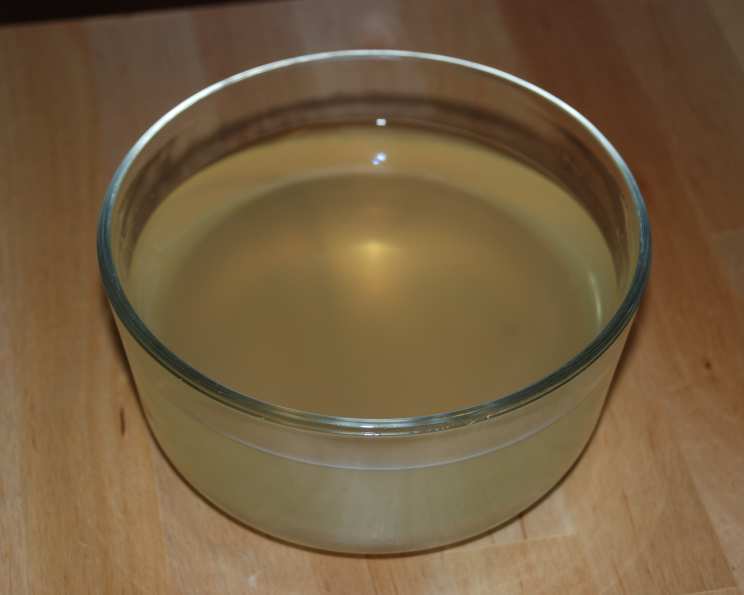
The Soul of Soup: Crafting the Perfect Light Vegetable Stock
There’s a particular memory I cherish: standing beside my grandmother in her sun-drenched kitchen, the air thick with the earthy aroma of simmering vegetables. She’d be humming softly, patiently tending a pot of what seemed like humble ingredients – onion skins, carrot tops, celery ends – transforming them into liquid gold. That stock, a simple foundation, held the power to elevate the humblest soup into something truly extraordinary, something that warmed not just the belly, but the soul. Ever since, I’ve understood the magic inherent in a well-made stock, the secret to unlocking depth of flavor in countless dishes.
Recipe Overview
- Prep Time: 20 minutes
- Cook Time: 45 minutes
- Total Time: 1 hour 5 minutes
- Yields: 8 cups
- Dietary Type: Vegan, Gluten-Free, Dairy-Free
Ingredients
- 10 cups water
- 2 medium onions, quartered
- 2 medium sweet potatoes or 4 medium carrots, peeled
- 3 cloves garlic, unpeeled and smashed
- 2 large potatoes, thickly sliced
- 2 celery ribs, coarsely chopped
- 2 fresh parsley sprigs
- 1 bay leaf
- ½ teaspoon salt
- 6 peppercorns
- 4 allspice berries
- 1 cup mushroom stems (optional)
Equipment Needed
- Large Soup Pot (at least 8-quart capacity)
- Tight-fitting Lid
- Large Colander or Sieve
- Large Bowl or Container
Instructions
- Begin by thoroughly washing all the vegetables, paying close attention to removing any lingering soil or sand. Don’t underestimate this step; even a small amount of grit can detract from the final flavor.
- In a large soup pot, combine all the ingredients: the water, quartered onions, peeled sweet potatoes (or carrots), smashed garlic, thickly sliced potatoes, coarsely chopped celery ribs, fresh parsley sprigs, bay leaf, salt, peppercorns, allspice berries, and optional mushroom stems.
- Ensure the pot is fitted with a tight-fitting lid. This helps to retain moisture and concentrate the flavors.
- Place the pot on high heat and bring the stock to a rolling boil. Keep a close eye on it to prevent boil-over.
- Once boiling, immediately reduce the heat to the lowest setting possible. The goal is a gentle simmer, not a vigorous boil.
- Simmer the stock, covered, for approximately 45 minutes. A gentle simmer allows the flavors to meld and deepen without becoming bitter.
- Check for doneness. The vegetables should be quite soft and have lost their bright colors, indicating that they have released their essence into the water.
- Carefully strain the stock through a large colander or sieve, positioned over a large bowl or container. This separates the flavorful liquid from the spent vegetables.
- With a sturdy spoon or spatula, press out as much liquid as possible from the vegetable solids. This extracts every last bit of flavor and reduces waste.
- Discard or compost the vegetable solids. They have served their purpose and are now devoid of flavor.
- The stock is now ready to use immediately. Alternatively, it can be refrigerated in a sealed container for up to 4 days or frozen for up to 6 months.
Expert Tips & Tricks
- Don’t over-simmer: While a long simmer is beneficial, excessive cooking can lead to a bitter stock. Stick to the recommended time.
- Use vegetable scraps: Save vegetable trimmings like onion skins (ensure they’re clean!), carrot peels, and celery ends in a freezer bag. When you’re ready to make stock, you’ll have a flavorful base ready to go. Avoid using cruciferous vegetables like broccoli or cauliflower, as they can make the stock bitter.
- Roast the vegetables for extra depth: Before adding the vegetables to the pot, roast them in a 400°F (200°C) oven for about 20-30 minutes. This caramelizes the natural sugars, adding a richer, more complex flavor to the stock.
- Skim the scum: As the stock simmers, some impurities may rise to the surface. Skim these off with a spoon to ensure a clear, clean-tasting stock.
- Cool completely before storing: Allow the stock to cool completely before refrigerating or freezing. This prevents condensation from forming, which can lead to freezer burn or spoilage. An ice bath can expedite this process.
Serving & Storage Suggestions
This light vegetable stock is incredibly versatile. Use it as a base for soups, stews, and sauces. It’s also excellent for braising vegetables, cooking grains like rice or quinoa, or simply sipping as a warm, comforting broth.
To store, allow the stock to cool completely. Then, transfer it to an airtight container and refrigerate for up to 4 days. For longer storage, freeze the stock in freezer-safe containers or ice cube trays for easy portioning. Frozen stock will keep for up to 6 months. To reheat, simply thaw in the refrigerator or gently heat on the stovetop.
Nutritional Information
| Nutrient | Amount per Serving | % Daily Value |
|---|---|---|
| Calories | 113.7 kcal | N/A |
| Calories from Fat | 1 g | 1% |
| Total Fat | 0.1 g | 0% |
| Saturated Fat | 0 g | 0% |
| Cholesterol | 0 mg | 0% |
| Sodium | 183.8 mg | 7% |
| Total Carbohydrate | 26.1 g | 8% |
| Dietary Fiber | 3.6 g | 14% |
| Sugars | 3.5 g | N/A |
| Protein | 2.8 g | 5% |
Note: Nutritional information is an estimate and may vary based on specific ingredients used.
Variations & Substitutions
- Herb Variations: Experiment with different herbs to customize the flavor profile. Thyme, rosemary, and oregano are all excellent additions.
- Spice Variations: Add a pinch of red pepper flakes for a subtle kick, or a few star anise for a warm, licorice-like flavor.
- Sweet Potato/Carrot Ratio: Adjust the ratio of sweet potatoes to carrots to suit your taste. More sweet potatoes will result in a sweeter stock.
- Gluten-Free: This recipe is naturally gluten-free.
- Low-Sodium: Reduce or omit the salt for a low-sodium stock. Remember, you can always add salt later when using the stock in a recipe.
FAQs (Frequently Asked Questions)
Q: Can I use frozen vegetables to make vegetable stock?
A: Yes, you can use frozen vegetables. They might not have the same intense flavor as fresh vegetables, but they are a convenient alternative.
Q: Can I use vegetable peels and scraps that I’ve saved?
A: Absolutely! That’s a great way to reduce waste and add flavor. Just make sure the scraps are clean and from vegetables that contribute a pleasant flavor to the stock (avoid cruciferous vegetables).
Q: How do I make the vegetable stock clearer?
A: Avoid boiling the stock vigorously, skim off any scum that forms on the surface, and strain the stock through a fine-mesh sieve or cheesecloth.
Q: What if my stock tastes bitter?
A: Bitterness can result from over-simmering or using bitter vegetables like broccoli or cabbage. Reduce the simmering time and avoid those vegetables in the future. You can try to balance the bitterness with a pinch of sugar or a splash of vinegar.
Q: How long can I freeze vegetable stock?
A: Properly stored in a freezer-safe container, vegetable stock can be frozen for up to 6 months.
Final Thoughts
Creating your own light vegetable stock is a simple yet deeply rewarding culinary endeavor. It allows you to control the ingredients, tailor the flavor to your preferences, and unlock a world of delicious possibilities in your cooking. So, gather your vegetables, embrace the aroma, and embark on a journey to create a stock that will elevate your soups, stews, and sauces to new heights. Don’t be afraid to experiment with different herbs and spices to create your signature blend. And remember, the best stock is always made with love. Share your culinary creations with friends and family, and savor the warmth and satisfaction that comes from a homemade meal.