
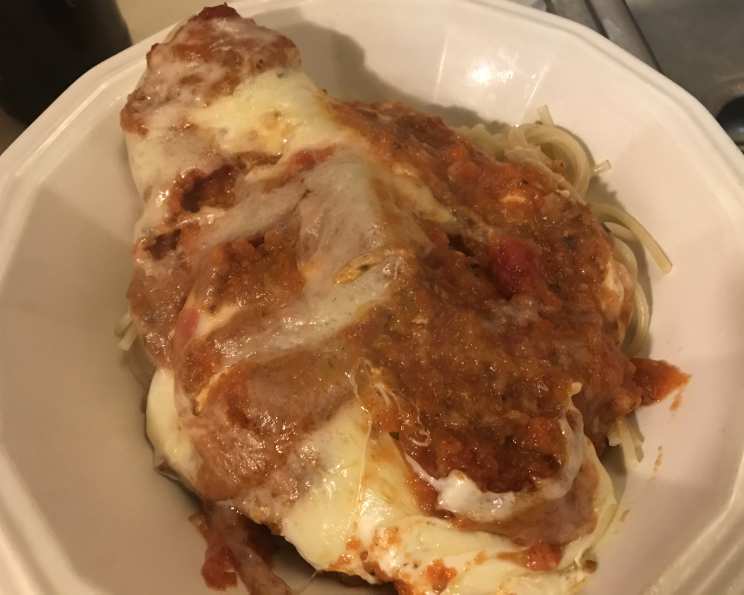
The Tomato Sauce That Saved My Summer: A Journey with Nomato
The summer I discovered I was suddenly and inexplicably allergic to tomatoes was a culinary disaster waiting to happen. Picture this: endless barbecues, vibrant salads, and my family’s generations-old marinara sauce—all off-limits. I felt like I was living in a culinary black and white movie. Then, a friend, bless her heart, shared this recipe. It sounded crazy – carrots, beets, and celery pretending to be tomatoes? But desperation, as they say, is the mother of invention (and delicious Nomato sauce!). One taste, and I was hooked. It wasn’t exactly tomato sauce, but it was close enough – and delicious enough – to bring color back into my summer.
Recipe Overview
- Prep Time: 15 minutes
- Cook Time: 20 minutes
- Total Time: 35 minutes
- Servings: Varies depending on use
- Yield: Approximately 4 cups
- Dietary Type: Vegan, Gluten-Free, Dairy-Free, Paleo, AIP (when spices are carefully selected)
Ingredients
- 6 carrots, peeled and diced
- 1 small beet, peeled and diced
- 1 large onion, diced
- 3 celery ribs, diced
- 1 whole bay leaf
- 1 1/2 cups water
Ingredient Notes:
- Beet Size: The beet should be relatively small, as too much can overwhelm the flavor. A medium beet can be used if you enjoy that flavor.
- Water: The water can be adjusted slightly to reach desired consistency. You can also use a low-sodium vegetable broth for deeper flavor.
- Spices: Be prepared to adjust the spices to your liking. Tomato-free sauces often require a bit more oomph to replicate the complexity of tomato sauce. Experiment with Italian herbs, garlic powder, onion powder, smoked paprika, or a pinch of red pepper flakes (if tolerated).
Equipment Needed
- Large covered pot or Dutch oven
- Blender (immersion blender or regular blender)
- Measuring cups and spoons
- Knife
- Cutting board
Instructions
- Prep the Vegetables: Begin by thoroughly washing and peeling the carrots and beet. Dice the carrots, beet, onion, and celery into roughly equal-sized pieces. Uniformity will help ensure even cooking.
- Combine and Simmer: Place the diced carrots, beet, onion, and celery into the large pot. Add the bay leaf and water.
- Bring to a Boil: Cover the pot and bring the mixture to a boil over medium-high heat. Once boiling, immediately reduce the heat to low to maintain a gentle simmer.
- Simmer Until Soft: Continue to simmer, covered, for approximately 20 minutes, or until all the vegetables are very soft and easily pierced with a fork. The exact time may vary depending on the size of the diced vegetables and your stove.
- Remove Bay Leaf: Once the vegetables are cooked through, remove the bay leaf and discard it. It has served its purpose of infusing flavor.
- Blend Until Smooth: Carefully transfer the cooked vegetables and liquid to a blender (or use an immersion blender directly in the pot). Blend until the mixture is completely smooth and creamy. Be cautious when blending hot liquids, as they can create steam pressure. If using a regular blender, work in batches and vent the lid slightly to prevent splattering.
- Adjust Seasoning: Taste the Nomato sauce and adjust the seasoning as needed. Remember that this sauce will likely need more spices than a traditional tomato sauce. Start with a pinch of salt and pepper, then consider adding Italian herbs, garlic powder, onion powder, or smoked paprika to enhance the flavor. You can also add a touch of sweetness with a teaspoon of maple syrup if needed.
- Use or Store: The Nomato sauce is now ready to use in your favorite recipes as a tomato sauce substitute.
Expert Tips & Tricks
- Roasting for Depth: For a richer, deeper flavor, roast the carrots, beet, and onion before simmering. Toss the diced vegetables with olive oil, salt, and pepper, then roast at 400°F (200°C) for 20-25 minutes, or until slightly caramelized. This adds a caramelized sweetness that mimics the depth of flavor in tomato sauce.
- Spice it Right: Don’t be afraid to experiment with spices! Smoked paprika adds a smoky note, while a pinch of red pepper flakes provides a subtle kick. Consider using a pre-made Italian seasoning blend for convenience. Add spices gradually and taste as you go to avoid over-seasoning.
- Sweetness Adjustment: The sweetness of carrots and beets can vary. If the sauce is too sweet for your liking, add a splash of apple cider vinegar or lemon juice to balance the flavors.
- Thickening: If the sauce is too thin, simmer it uncovered for a few minutes to allow some of the excess liquid to evaporate. Alternatively, you can add a small amount of tomato paste (if tolerated) or a slurry of cornstarch and water.
Serving & Storage Suggestions
Serve the Nomato sauce in any recipe that calls for tomato sauce, such as pasta dishes, pizza, enchiladas, stews, or soups.
- Refrigerate: Store leftover Nomato sauce in an airtight container in the refrigerator for up to 3-4 days.
- Freeze: For longer storage, freeze the sauce in freezer-safe bags or containers for up to 2-3 months. To prevent freezer burn, remove as much air as possible from the bags.
- Reheating: Reheat refrigerated or frozen Nomato sauce in a saucepan over medium heat, stirring occasionally, until heated through. You may need to add a splash of water or broth if the sauce has thickened during storage.
Nutritional Information
(Estimates will vary based on specific ingredients and serving size)
| Nutrient | Amount per Serving | % Daily Value |
|---|---|---|
| Calories | 80 kcal | 4% |
| Total Fat | 0.5g | 1% |
| Saturated Fat | 0g | 0% |
| Cholesterol | 0mg | 0% |
| Sodium | 75mg | 3% |
| Total Carbohydrate | 18g | 6% |
| Dietary Fiber | 4g | 16% |
| Sugars | 8g | – |
| Protein | 2g | 4% |
Variations & Substitutions
- Spicy Nomato: Add a pinch of red pepper flakes or a dash of your favorite hot sauce to the sauce for a spicy kick.
- Herbaceous Nomato: Stir in fresh herbs like basil, oregano, or thyme after blending for a burst of fresh flavor.
- Smoked Nomato: Use smoked paprika and a touch of liquid smoke to give the sauce a smoky, barbecue-like flavor.
- Roasted Garlic Nomato: Roast a head of garlic and add the cloves to the sauce before blending for a rich, garlicky flavor.
- Sweet Potato Nomato: Add roasted sweet potato for a sweeter flavour and creamier texture.
FAQs (Frequently Asked Questions)
Q: Why is this sauce called “Nomato”?
A: “Nomato” is a clever name because it’s a tomato-free sauce designed to mimic the flavor and texture of traditional tomato sauce for those who can’t tolerate tomatoes.
Q: Can I use different vegetables in this sauce?
A: While the core ingredients of carrots, beets, and onions are essential for the base flavor, you can experiment with other vegetables like butternut squash or parsnips to adjust the sweetness and thickness.
Q: How can I make this sauce more like traditional tomato sauce?
A: The key is in the seasoning! Don’t be shy with the Italian herbs, garlic powder, and onion powder. A touch of balsamic vinegar or red wine vinegar can also add a tangy depth of flavor similar to tomatoes.
Q: Can I use this Nomato sauce for pizza?
A: Absolutely! This sauce makes a great base for pizza. Just be sure to season it well and consider adding some extra herbs for an authentic pizza flavor.
Q: Is this sauce suitable for people with Interstitial Cystitis (IC)?
A: This recipe originated from the Interstitial Cystitis Network, so it’s specifically designed to be IC-friendly by omitting acidic tomatoes. However, it’s essential to check individual tolerance levels, especially for spices and other added ingredients.
Final Thoughts
This Nomato sauce is more than just a substitute; it’s a celebration of flavor and creativity in the kitchen. It has rescued me from a tomato-less existence, and I hope it does the same for you. So, gather your ingredients, put on some music, and enjoy the process of creating this vibrant and delicious sauce. Once you’ve tried it, I’d love to hear what you think! Experiment with different spices and variations, and let me know what your favorite combination is. This is a sauce that’s begging to be personalized and shared.